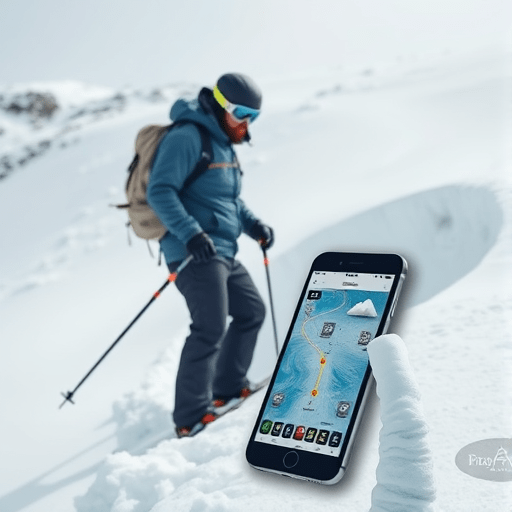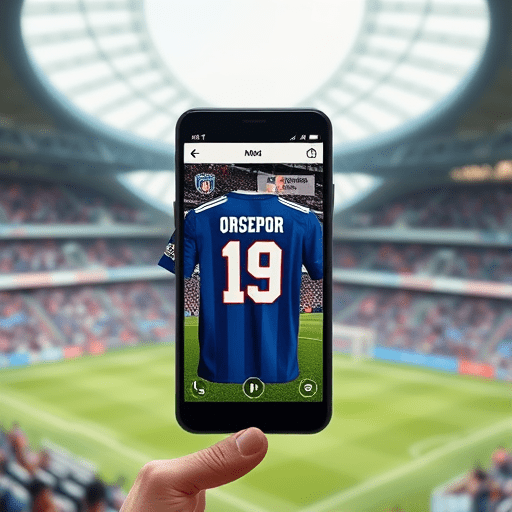
Every sports team has an app. Most have years of behavioral data. But if your sports app’s data doesn’t drive fan revenue, you’re not alone: the disconnect between daily active users and merchandise revenue keeps widening across leagues. In 2026, the problem is rarely a lack of engagement signals — it’s that teams measure the wrong metrics, act on them too slowly, and treat merch as a separate channel rather than part of the same emotional experience. The solution isn’t more data; it’s learning how to tie app engagement to merch sales at the exact moment fans care most.
The Engagement-to-Merch Revenue Gap
Consider what a typical sports app sees on game night: tens of thousands of push notification opens, live polls, clip views, and social shares. That is valuable attention. Yet most teams still see merch revenue come from a small fraction of superfans who would have bought jerseys anyway. The middle of the fan base — highly engaged but not yet purchasing — remains untapped because the app treats them as a single, generic audience.
The gap exists because engagement data is usually captured in silos. The personalization engine knows a fan’s favorite player. The commerce platform knows their abandoned cart. The push notification tool knows when they tune in. But no single workflow connects these signals to an immediate, low-friction purchase opportunity. By the time a generic “New Arrivals” email goes out the next morning, the emotional peak has passed.
Three Data Mistakes That Keep App Engagement from Converting to Merch Sales
Mistake 1: Optimizing for screen time instead of emotional spikes
Session length is a vanity metric. A fan can spend twenty minutes browsing stats, lineups, and news without ever feeling the impulse to own something from the team. Revenue is not driven by time-in-app; it’s driven by emotional peaks — the second a star player scores, the tension before a penalty shot, the final whistle of a rivalry win. Teams that optimize for engagement duration often dilute those peaks with notifications about trivia and ticket contests, making the app feel like noise.
Mistake 2: Segmenting by demographics rather than behavior
Age, location, and predicted income are poor predictors of merch intent. Two fans in the same zip code and age group can have completely different purchase triggers: one wants a jersey after a big win, another wants a retro hat after watching a documentary clip. Behavioral segmentation — based on what a fan watches, clicks, and shares in real time — is the only way to tie app engagement to merch sales effectively. Yet many teams still rely on static CRM profiles that were updated months ago.
Mistake 3: Treating the shop as a destination instead of a moment
Most sports apps bury the store in a bottom nav tab. Fans are expected to leave the experience they’re enjoying and browse a catalog. That is a conversion killer. If a fan is watching a live clip of a game-winning shot, the worst possible move is to ask them to navigate to a separate shopping screen. Merch should surface contextually inside the moment, not require a change of mindset.
A 2026 Playbook: Tying App Engagement to Merch Sales
Trigger on game-day micro-moments
The quickest way to close the revenue gap is to identify the five or six emotional micro-moments that happen during a live event and attach a single product offer to each one. A goal, a touchdown, a buzzer-beater, a jersey retirement, a coach’s first win. When the app detects the moment — via the official score feed, a highlighted video clip, or even a geolocation check for fans in the stadium — it should push a lightweight notification: “That just happened. Wear it.” The offer should be one product, not a category. One tap, Apple Pay or similar wallet integration, done.
Use sentiment signals to adjust inventory and pricing
2026 has given teams access to better sentiment data: comment analysis, emoji reactions, momentum graphics for players, and second-by-second viewing behavior. That data can directly influence merch decisions. If a backup goalie just delivered a career-saving performance, sentiment analytics will spike around that player. Teams can dynamically surface their shirt or goalie mask tee to anyone who watched that stretch of the game. Inventory sourcing benefits too: instead of guessing which players will be popular this season, the app’s data tells you which jerseys to produce more of mid-season based on emergent fan favorites.
Bundle digital collectibles with physical merch
The most successful apps in 2026 are pairing physical products with digital companions. A fan who buys a jersey also receives a digital collectible card tied to that specific game’s winning moment. The app becomes the wallet where that card lives. This creates an ongoing reason to engage — and every time the card is viewed, shared, or traded, a subtle back-to-cart link appears for complementary products. Digital-physical bundles increase perceived value and reduce the friction of “why do I need another jersey?”
Turn post-game recaps into shopping objects
Post-game video recaps are the most under-monetized asset in sports. Instead of a static clip, build an interactive recap where users tap to see player stats, celebrate a key play, and immediately access “shop this moment” triggers — a jersey with the player’s number, a mini banner, or a framed photo of the play. The recap is already the highest-traffic page after a match; making it shoppable is a direct way to tie app engagement to merch sales.
What to Measure Instead: Revenue-Signal Metrics
If you want app data to predict merch revenue, stop reporting dashboard metrics and start tracking these:
- Peak-time conversion: the percentage of purchases that occur within 60 minutes of a specific in-game or post-game event.
- Moment-to-purchase latency: how quickly a fan moves from viewing a highlight clip to tapping “buy.” Faster is better.
- Sentiment spike score: a composite of comments, reactions, and share velocity around a player or moment, used to predict which items will sell.
- Catalog value per engaged fan: which behavioral clusters (watch-live, watch-clips, engage-with-polls) yield the highest average order value.
- Post-purchase engagement delta: whether a new merch owner engages more in the following weeks — if so, you have a sustainable revenue flywheel rather than a one-off promo.
These metrics connect the app team and the commerce team to the same language. When both departments are accountable to the same numbers, it becomes much easier to justify investments in real-time data pipelines and personalization features.
Where to Start Today
You don’t need a new app or a massive infrastructure overhaul. Start by connecting your existing live-event data feed to a single product endpoint. Pick one high-engagement game day, one hero product, and one trigger. For example: every time your team scores, a notification displays a “just scored” shirt with a one-tap checkout. Measure the conversion rate against a control group that receives no notification. Even a small pilot will show you which data matters and where your latency problems are.
Next, audit your current personalization logic. Is it based on purchase history only? Then it’s blind to the 70% of engaged fans who haven’t bought yet. Combine app behavior data — clip views, watch time, game attendance — with CRM data you already hold. That single integration is the missing bridge between engagement and revenue.
Finally, stop thinking of merch as a product category. Think of it as a real-time emotional response. The moment a fan says “that’s my guy,” your app should be ready to hand them the shirt off their own back.
The data is not the problem. The sequence is. When your sports app’s data doesn’t drive fan revenue, it’s usually because engagement signals and commerce actions are separated by too many taps, too many hours, or too many teams. Close that distance, and the revenue will follow.