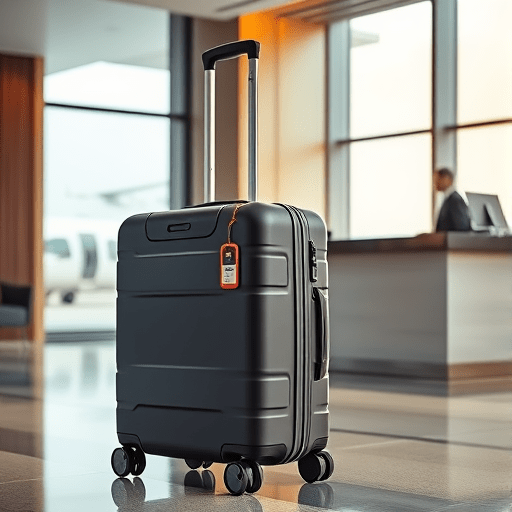
Picture this: you walk into the airport terminal with nothing but a small backpack, breeze through security in minutes, and board your flight without ever seeing a baggage check counter. That’s the promise behind the decision to mail your luggage to the hotel for a stress-free flight. A growing number of travelers are skipping the check-in desk entirely and sending their suitcases ahead through dedicated luggage shipping services. It’s not just a luxury for business-class flyers anymore—it’s an increasingly practical, affordable, and reliable alternative to the traditional checked bag.
The Real Price of a Checked Bag That Nobody Talks About
Airlines have spent the last decade turning checked baggage into a revenue stream. The average round-trip domestic flight now charges $35 to $40 per bag, and that’s just the base fee. International carriers and budget airlines often push that number higher. But the financial cost is only the beginning.
There’s also the hidden tax of time. A standard domestic flight with a checked bag means arriving at least 45 minutes earlier, waiting in the drop-off line, and then standing at the carousel for another 20 to 30 minutes on arrival. Multiply that by connecting flights, and you’re giving up hours—not to mention the anxiety that comes with the possibility of your bag taking a different route than you do.
Luggage shipping eliminates most of these costs. For roughly the same price as one or two checked bags, your suitcase travels via a dedicated logistics network, often with real-time GPS tracking, door-to-door pickup, and delivery directly to your hotel’s bell desk. You don’t carry it. You don’t wait for it. You just meet it at your destination.
How Modern Luggage Shipping Services Work
The current generation of luggage shipping looks nothing like the bare-bones parcel delivery of a decade ago. Dedicated travel luggage services now offer the kind of visibility and security that used to be reserved for freight logistics.
- Door-to-door pickup: A courier collects your suitcase from your home or office, often within a designated time window, and labels it with a tamper-evident seal.
- Live GPS tracking: Most major providers include a web-based tracking portal or mobile app that shows your bag’s location in near real-time, from pickup to hotel room.
- Comprehensive insurance: Policies now cover everything from scratches and dents to full loss, with declared-value options that rival airline liability limits.
- White-glove delivery: Instead of leaving your bag in a lobby, many services coordinate directly with the hotel’s bell desk to deliver it to your room once you’ve checked in.
Some services even partner with airlines to offer checked-bag-style pricing if you book through the same travel platform. Others have introduced flat-rate pricing by distance or weight, making it easier to predict costs before you leave home.
The “Fly Light” Movement Is Changing Airport Routines
Traveling without a checked bag is not a new concept, but the reasons behind it have evolved. In previous years, it was mostly about saving money and time. Today, the motivation is broader.
Airport security lines are faster for carry-on-only passengers, but even that advantage is fading as more people try to squeeze oversized bags into overhead bins. By sending your luggage ahead, you’re freed from the carry-on competition entirely. You can stroll past the crowded gate area, board last, and settle into your seat without wrestling a 22-inch roller bag into the overhead compartment.
There’s also a sustainability argument. Shipping a suitcase through a ground logistics network that’s already moving packages in your direction generates fewer carbon emissions per mile than flying your bag in the cargo hold of a passenger jet. Several leading luggage shipping companies have made this a central part of their pitch, and some even offer carbon-neutral shipping options through verified offset programs.
What to Send Ahead vs. What to Keep in Your Carry-On
Mail your luggage to the hotel for a stress-free flight doesn’t mean mailing everything. The smart approach is to separate what you need before you land from what you can afford to wait for.
Keep in your personal item or small carry-on:
- Passport, ID, and travel documents
- Medication and a basic first-aid kit
- Phone charger, power bank, and any electronics you’ll use during the flight
- A change of clothes, just in case you want to freshen up before your bag arrives
- Valuables like jewelry, laptops, and anything that would be difficult to replace
Send ahead:
- Clothing and shoes (pack them in a proper suitcase, not a cardboard box)
- Toiletries, cosmetics, and liquids that exceed TSA carry-on limits
- Sports gear like skis, golf clubs, or scuba equipment that are overweight or awkward for the overhead bin
- Gifts, souvenirs, or anything you plan to bring back from your trip
The rule of thumb is simple: if you can’t live without it for 24 hours, keep it on your person. Everything else belongs in a shipped bag.
Timing Your Shipment So It Arrives Before You Do
The biggest worry people have with luggage shipping is the same worry they have with checked bags: what if it doesn’t show up? The mitigations are similar, but the timing rules are different.
Most luggage shipping services recommend sending your suitcase 2 to 5 days before your departure, depending on whether the route is domestic or international. Some services offer same-day or next-day expedited shipping, but those cost extra and defeat the purpose of saving money.
The key is coordination with your hotel. Before you ship, contact the hotel’s concierge or front desk and confirm that they’ll accept a package addressed to you with your reservation number on it. Most hotels in major cities are familiar with this workflow, but policies vary. Some charge a small holding fee for large deliveries, while others store bags and bring them to your room upon check-in as a standard service.
It’s also wise to check the shipping service’s policy on delivery windows. Some providers allow you to select a delivery date window as narrow as two hours, which is ideal if you know exactly when you’ll land. If your flight gets delayed or cancelled, most services will reroute the delivery to a later window or hold the bag at a local facility until you’re ready.
Bottom Line
Mail your luggage to the hotel for a stress-free flight is more than a niche travel hack. It’s a legitimate alternative that addresses the three biggest pain points of modern air travel: fees, waiting time, and lost-bag anxiety. With better tracking, clear insurance terms, and growing acceptance among hotels, luggage shipping has earned its place in the modern travel toolkit. For travelers who value their time and peace of mind, shipping a suitcase ahead transforms the airport experience from a series of hurdles into the calm start of a journey.