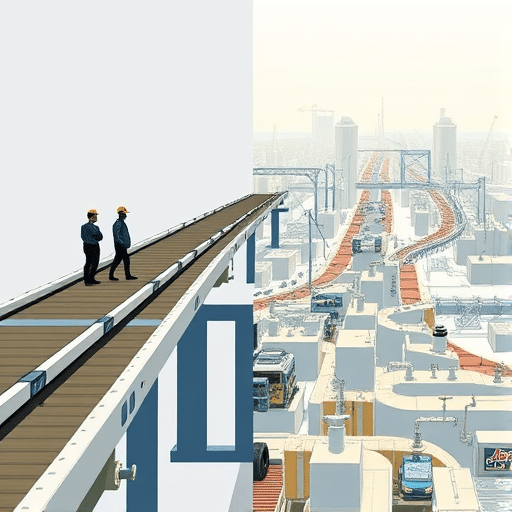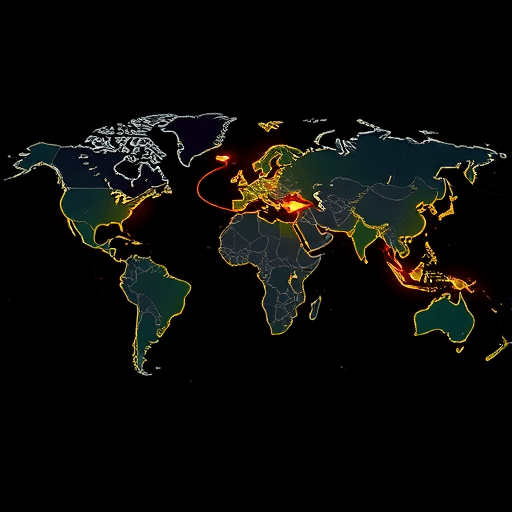
If your gaming server has become genuinely global, you already know the feeling: you wake up to a support ticket backlog, a spam-dumped channel, or a report filed three hours ago that nobody actioned. The old “keep a few night owls in the mod team” approach is not a plan. Follow-the-Sun moderation: Scheduling your global gaming server around a rotating mod team is the only way to deliver consistent coverage without turning your volunteers into zombies. This guide walks through the steps to build a handoff-friendly mod roster that actually works for the people on it — not just for the server metrics.
Why Follow-the-Sun Beats a Single Time Zone
In a traditional moderation setup, you rely on whoever happens to be online. That creates uneven enforcement, slower response times, and quiet hours when rule-breakers know they can act with impunity. Follow-the-sun structuring aligns moderator shifts with the natural peaks of each regional player base. When the day ends in one hemisphere, the next shift picks up in another, so there is always a fresh team paying attention.
This model also changes what “on duty” means. Instead of asking a few dedicated people to cover late hours out of obligation, you ask a distributed team to cover the hours when they are already awake. That is a subtle but powerful shift. It reduces burnout and makes the mod role sustainable for a community that needs round-the-clock trust.
The Hidden Cost of Burned-Out Local Mods
Many servers start with a small group of friends in one time zone. They give themselves admin powers, do their best, and eventually burn out because they are expected to police the entire world from one corner of it. Burnout leads to slow reactions, inconsistent enforcement, and conflict between mods who have different interpretations of the rules. Follow-the-sun moderation solves this by distributing the emotional labor across multiple time zones and teams. A mod in Singapore should not be expected to handle a 3 AM incident in Brazil if there is a team in São Paulo whose normal daylight hours match that activity peak.
Step 1: Map Your Server’s Activity Heatmap
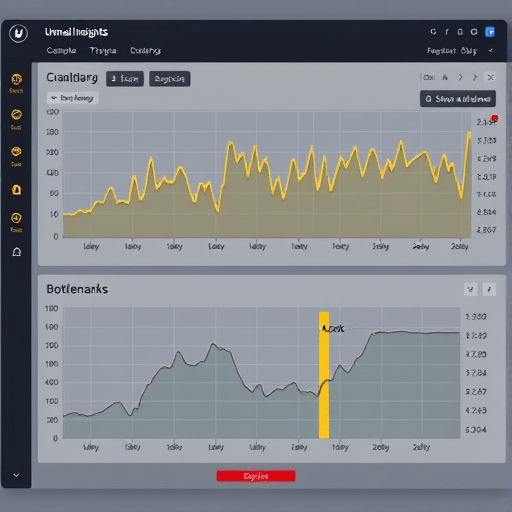
Before you schedule anything, ask your analytics bot to produce a weekly activity heatmap. Look at message volume, new member joins, report counts, and the busy channels in two-hour blocks across all seven days. You will likely see two or three distinct peaks — for example, a North American evening spike, a European afternoon surge, and an Asia-Pacific weekend flush. The goal is not to cover every minute equally; it is to match moderator presence to the points where moderation actions are most needed.
Create a simple spreadsheet with these peaks. Sort them by severity, not just message count. A small, highly toxic channel may require more attention than a huge but friendly one. Use this map to define your shift blocks. Most follow-the-sun schedules work best with four-to-six-hour shifts, but you can adjust based on your community’s rhythm.
Step 2: Recruit Across Time Zones, Not Just Languages
Once you know which time zones need the most coverage, go out and recruit people who naturally live in those zones. If your server serves a Japanese community, find moderators who are based in Japan or comfortable working during Japanese evening hours. Language ability matters, but time zone presence matters just as much. You can always create language-specific rooms and rely on translation tools, but you cannot replace a moderator who is asleep.
Structure your recruitment posts around “regional lead” roles rather than generic moderator openings. Someone motivated to serve their own region brings valuable context about cultural norms, holidays, and local internet behavior. That is especially useful when you need to moderate events like regional tournaments or primetime raids.
To make this manageable, define a minimum moderation standard that all team members share, then let regional leads handle the specifics. Build a small onboarding packet that covers the core rules, escalation paths, and the tools you use. Do not assume someone with moderator experience on another platform will know your server’s customs.
Step 3: Design an Overlapping Handoff Ritual
The biggest failure of follow-the-sun moderation is a handoff gap — the fifteen minutes between shifts when nobody knows what happened. To fix that, design a handoff ritual that deliberately overlaps shifts by at least fifteen minutes. At the end of a shift, the outgoing moderator posts a brief summary in a private mod channel. It should include active incidents, pending reports, any user they are watching, and anything that needs a decision from the next shift.
That summary should be short enough to read in under a minute. Use a template:
- Current issues: what is open, what was resolved
- Needs attention: anything time-sensitive
- Note for next shift: anything they should keep an eye on
Make the handoff a requirement, not a nice-to-have. If the outgoing mod leaves without posting a handoff, the next shift should feel comfortable pinging them. Without this ritual, the whole system degrades into a mess of unanswered questions and duplicated effort.
For deeper coverage, consider a “shift lead” role. That person is responsible for checking the handoff log and making sure that unresolved issues are being tracked. They do not solve everything themselves, but they are accountable for the successful handoff.
Step 4: Use Async Tools That Respect Boundaries
Follow-the-sun does not mean everyone has to be on a live call at all times. Most of your communication should be asynchronous. Use a dedicated private channel for handoffs, a separate channel for policy discussions, and a lightweight third-party chat thread only if necessary — though staying inside your own Discord or community platform is simpler.
Consider using an internal status page where moderators can tag issues as “open,” “in progress,” “resolved,” or “requires discussion.” This is faster than scrolling through chat history. It also gives you a clear audit trail when you need to review decisions or look for patterns in rule enforcement.
Avoid the temptation to bring in too many tools. Many gaming communities have small budgets and volunteer mod teams; a complicated stack of ticketing bots, dashboards, and CRM systems will just create more overhead. Pick one source of truth for incidents and one place for handoff notes. Use the rest for optional background noise.
Step 5: Keep One Source of Truth for Policy and Incidents
When your moderators live in different time zones, you cannot rely on a shared memory. You need one clear, written policy document that everyone can access. It should include the rules you enforce, the standard punishments for common violations, and a list of edge cases that require escalation.
Do not make the policy so rigid that moderators cannot exercise judgment, but do give them a common baseline. Otherwise, you will get the “two different moderators, two different outcomes” problem — which is the fastest way to lose trust from your community. If a player posts a spoiler in the wrong channel, one mod might delete it with a warning, another might issue a 24-hour mute. Both are reasonable, but the inconsistency is not.
Use the same source of truth for incident tracking. A simple spreadsheet or channel with “date, moderator, user, action, reason” entries gives you enough data to review later. You do not need a full ticketing system unless your server is very large or runs paid services.
Step 6: Rotate Weekends and Holidays Equitably
Just because the sun never sets on the server does not mean your moderators should work every Saturday. A follow-the-sun schedule must account for weekends and holidays, when message volume often spikes and moderation workload increases.
Create a rotating weekend schedule that spreads the burden evenly. Pair a moderator from one hemisphere with one from another, so each takes a shorter weekend session then gets the next weekend off. For holiday periods, make it explicit which shifts are expected to run and which can be downgraded. If a region is celebrating a major holiday, do not force their local mods to take long shifts just because the rest of the world is active — bring in temporary help from other regions if possible.
Remember that many moderators are volunteers. If your server is commercial or has a large community, consider a small reward program for people who work holiday shifts, whether it is a badge, a special role, or a gift card. Recognition goes a long way.
Measuring Coverage Without Micromanaging
The point of follow-the-sun is not to track every minute of every moderator’s time. Instead, measure the outcomes that matter: median response time to reports, average time to close a rule-breaking thread, and the number of hours per day where there is no active moderator reachable. Review these metrics once a month with the whole mod team.
If you notice a certain time zone always has an issue coverage gap, adjust your roster or add one more regional mod. If you notice a specific day of the week is consistently messy, schedule a temporary shift change. The model works because it is a live system that can adapt — but only if you bother to look at the data.
Also, check in with your mod team personally. A follow-the-sun schedule should feel sustainable. If a moderator is dreading their shift each day, the schedule is wrong. Ask them about their time zones, energy levels, and what they think about handoff quality. The best schedule is the one your team actually wants to keep using.