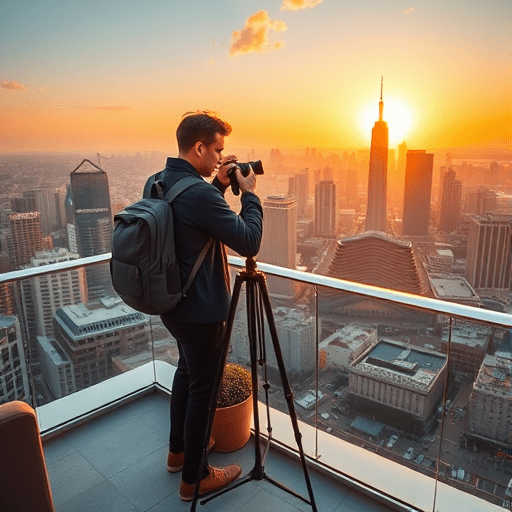
The era of popping fire escape ladder hatches and tiptoeing across unguarded parapets is officially over. For today’s urban explorer, the most breathtaking perspectives don’t come from trespassing—they come from understanding the complex web of public access laws, hospitality loopholes, and civic partnerships that define modern downtowns. The best photographers in the country are no longer asking, “How do I sneak up?” They are asking, “What are the legal routes to hidden skyline views that allow me to shoot safely, legally, and repeatedly?” In 2026, the answer lies in redefining urban exploration photography not as a stunt, but as a research-driven discipline.
The End of “Rooftopping” and the Rise of Rooftop Rights
Urban exploration photography has a rebellious history, but the past few years have changed the landscape dramatically. Building security now utilizes AI-driven anomaly detection, drone surveillance, and biometric access control. A trespassing charge isn’t just a fine anymore—it can mean confiscated gear, a criminal record, and an immediate permanent ban from the very buildings that offer the best views.
However, this crackdown has birthed a golden age of sanctioned access. Cities have realized that skyline views are a form of cultural currency. In response, they have expanded public rooftop access laws, transforming once-secret spots into managed, reservation-only photography locations. The shift from “sneaking in” to “getting approved” has not only made the craft safer but has also pushed photographers to be more creative with their compositions, since they can now return multiple times to wait for the perfect light.
Decoding POPS: The Urban Photographer’s Secret Weapon
If there is a cheat code for finding legal routes to hidden skyline views, it is the database of Privately Owned Public Spaces, or POPS. In metropolises like New York and San Francisco, developers are granted massive floor-area ratios in exchange for creating publicly accessible open spaces. These are not just ground-floor plazas; many of them are elevated terraces, setback rooftops, and sky gardens that are entirely free to enter.
For photographers, this represents a massive trove of unexplored territory. Here is how to crack the code:
- Utilize City Databases: Platforms like NYC’s Department of City Planning POPS map allow you to filter by accessibility and amenities. Look for spaces with “elevated terraces” or “rooftop gardens.”
- Look for Setback Architecture: In midtown Manhattan, dozens of skyscrapers have hidden setbacks on the 15th or 20th floor that are technically public. These offer a unique “middle-distance” view of the skyline that you can’t get from the ground or the very top.
- Check the Signage: POPS are required to have subtle signage. Recognizing the official logo helps you quickly identify a legal access point when you’re walking down a canyon of glass and steel.
One standout example is the Salesforce Transit Center Park in San Francisco. Built on a rooftop, it offers a sweeping, unobstructed view of the Bay Bridge. It’s entirely public, has strict operating hours that are perfect for sunset shoots, and is heavily underutilized by photographers who assume they need to book a private event space to get that elevation.
Secret Skyline Photography Spots in Cultural Institutions
Museums and cultural centers are increasingly becoming the custodians of urban vistas. For photographers willing to work within specific institutional guidelines, these venues offer some of the most architecturally interesting secret skyline photography spots in the country.
The Chicago Architecture Center is a prime example. While the river cruise is world-famous, the Center’s rooftop terrace offers a direct, elevated vantage point over the Chicago River’s confluence. During specific morning hours, they allow photography enthusiasts to bring tripods and telephoto lenses—a rarity in a city where most observation decks ban professional gear. This aligns perfectly with the 2026 trend of institutions offering “photographer hours” separate from general admission.
Similarly, The Broad museum in Los Angeles features a rooftop garden veil that frames the downtown skyline in a honeycomb pattern. Access is free but requires a time-specific ticket. The trick is to grab a ticket for the last entry slot, allowing you to shoot the transition from golden hour to blue hour without the crowds pushing you along.
The Hospitality Loop: Buying a $20 Drink for a $2,000 View
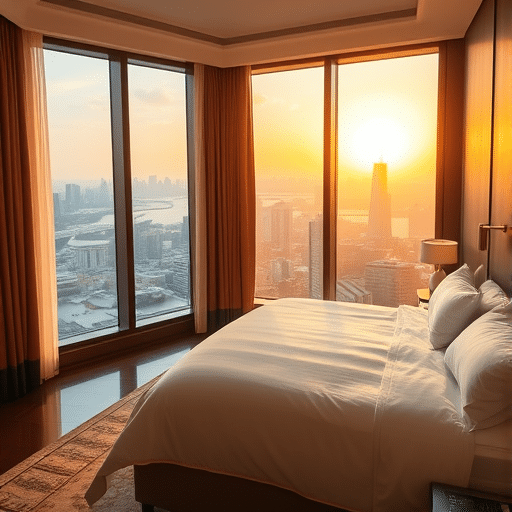
In cities where public infrastructure lag, the hospitality industry has stepped in to fill the void. Hotel rooftop bars are the new frontier for urban exploration photography legal alternatives. The unwritten rule of 2026 is simple: the cost of a cocktail is the de facto photography permit.
Venues like Westlight in Brooklyn or Spire 73 in Los Angeles offer jaw-dropping, unobstructed 360-degree views. For the serious photographer, the strategy involves treating the shoot like a professional assignment:
- Timing is Everything: Book a table for 45 minutes before sunset. Order immediately, pay immediately, and then spend the next hour shooting. This respects the venue’s revenue model while securing your ideal vantage point.
- Gear Etiquette: High-end venues are wary of commercial shoots. Keep your setup minimal. A mirrorless body with a 24-70mm lens is perfect. Avoid large tripods; use a small tabletop tripod or a gorilla pod anchored to the bar rail.
- Dress the Part: These are private clubs and hotel lounges. Showing up in a 5.11 tactical vest (a staple of the old urbex scene) will get you turned away at the door. Blend in; dress like a patron, not a paparazzo.
This route is specifically valuable in Seattle, where hills and overpasses obscure many ground-level views. The rooftop bars in Belltown and the downtown core offer the only viable legal access to that iconic Space Needle/Mt. Rainier alignment without taking a pricey helicopter ride.
Green Roofs and Solar Access: The 2026 Technical Partnership
A truly fresh angle for this year is the intersection of sustainability technology and camera access. Building owners with green roofs, solar arrays, and advanced HVAC systems have a massive need for high-quality aerial and rooftop photography for compliance documentation, ESG reporting, and marketing materials. They often lack the resources to capture these visuals themselves.
This is where the tech-savvy photographer steps in. By pitching a “photographer-in-residence” program to property management, you can gain exclusive access to restricted mechanical penthouses and green roofs—locations that are strictly off-limits to the general public. In exchange for a licensing agreement for the photos, the building gets professional-grade assets. This creates a symbiotic relationship where urban exploration photography is not just tolerated but actively requested. It transforms the photographer from a liability into a vendor, unlocking the most secure and hidden skyline views in the city.
Essential Gear for the Legal Rooftop Photographer in 2026
To fully capitalize on these legal routes to hidden skyline views, your gear bag requires a specific evolution. Gone are the days of climbing gear and lockpicks; here is what you need now:
- Cafe Creepers: These padded knee socks are a lifesaver when shooting from concrete terraces and metal gratings, allowing you to get lower for foreground dynamic range without destroying your knees.
- Polarizing Filters: When shooting over urban canyons, glare from glass towers is your worst enemy. A circular polarizer gives you the ability to cut through the haze and capture the color saturation of the skyline.
- Lens Rentals: Since you have legal, repeatable access, you don’t need to compromise. Rent a tilt-shift lens to correct the vertical perspective distortion of tall buildings. This will immediately elevate your portfolio above the standard phone snapshots.
- Sunsurveyor Apps: Legal access usually means scheduling days or weeks in advance. Use augmented reality sun-tracker apps to predict exactly how the light will hit your chosen skyline on your target date, ensuring you show up prepared.
The modern urban explorer is part researcher, part diplomat, and part technologist. The rebellion of breaking in has been replaced by the subtle art of getting invited. For photographers in 2026, the true skill is navigating the ever-growing network of legal vantage points, respecting the spaces that host you, and capturing the city from above without ever looking over your shoulder.