# Local Food Delivery Apps Are Your Secret to Authentic Travel
Finding the soul of a city has always required a fork in one hand and a map in the other. But as any seasoned traveler will tell you, **local food delivery apps are your secret to authentic travel**, bypassing the curated tourist menus and bringing the city’s actual go-to dishes straight to your temporary doorstep. Forget the hotel concierge’s pre-printed list of overpriced steakhouses. In 2026, the gateway to a city’s culinary heart is a glowing smartphone screen and a willingness to eat where the other side of town is eating right now.
## Why Ditching the Hotel Concierge Means Opening a Delivery App
The traditional travel food experience is often a game of roulette. You wander into a plaza, spot a restaurant with a multilingual menu board, and hope for the best. Too often, you end up paying $20 for a plate of food that your Uber driver wouldn’t touch. Local delivery apps solve this by providing a real-time, unvarnished snapshot of what a city is actually craving at that exact moment.
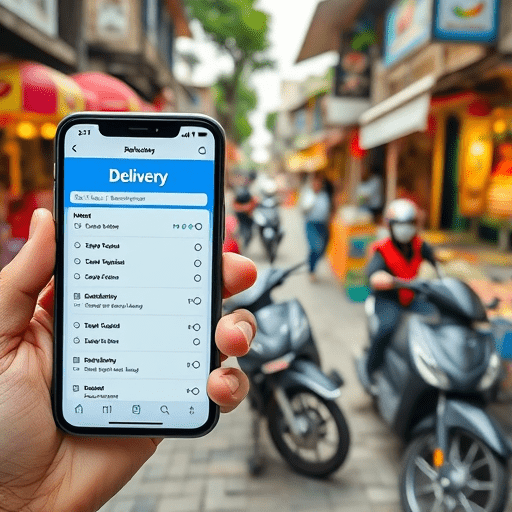
When you open the app that locals use in places like São Paulo, Ho Chi Minh City, or Rome, you aren’t just seeing a database of restaurants. You are observing the digital pulse of the city’s hunger. The apps showcase trending items, frequently reordered family meals, and lunchtime rushes at neighborhood staples. Using these platforms as a discovery engine officially turns you from a passive tourist into a culinary anthropologist. It is the modern equivalent of asking the bartender where they eat on their night off—except the bartender is now an algorithm fed by millions of locals.
## How to Identify the City’s Go-To Delivery App
Habit is a powerful thing. The food delivery app you use back home—whether it’s Uber Eats, DoorDash, or Deliveroo—might dominate your local market, but it doesn’t necessarily dominate the world. In India, it’s Zomato and Swiggy. In Latin America, it’s iFood. In Southeast Asia, it’s GrabFood and Foodpanda. Finding the right one is the first major hurdle to unlocking authentic meals.
### Check the App Store Top Charts
On your first day, open the iOS App Store or Google Play and navigate to the “Food & Drink” category. The top downloaded apps frequently reflect the daily habits of residents better than any travel blog. A high-ranking local app will have menu item variety and pricing depth that international players often lack.
### Look for the Stickers
Walk into any local coffee shop or casual eatery and look at the door or the front counter. Restaurants that rely on delivery display decals for the platforms they partner with. If you see a massive sticker for a local app like “Baemin” in Seoul or “Glovo” in Spain, that is the ecosystem you need to plug into.
### Ask the Right Question
Do not ask your Airbnb host, “What’s the best restaurant?” Instead, ask: “What app do *you* order food on when you don’t want to cook?” This simple phrasing gives you the exact platform and, often, a handful of must-try recommendations to search for within the app.
## Decoding Menus to Find the “Most Popular” Dishes
Once you are on the correct app, the algorithm becomes your best friend. These platforms are engineered to surface popular items through labels like “Bestseller,” “Máx. Vendidos,” or “Local Favorites.” These labels are pure gold. They tell you what the locals are ordering *right now*, not what a tourism board thinks visitors should eat.
– **Search by “Bestseller” or “Trending”** – This category cuts through the noise and highlights the dishes that are sustaining high sales volume. If a specific pad thai has 3,000 orders in the past month, it’s a safe bet it will taste authentic.
– **Read the Reviews Critically** – Filter review feeds by “Most Recent” or switch the app language to the native tongue. Pay attention to comments that mention portion size and spice level. If locals are complaining that a dish is *too small*, you know to order two.
– **The “Ghost Kitchen” Trap** – Avoid restaurant listings that have no physical street address or are only identifiable by a food category (e.g., “Pizza & Burgers Plus”). Real local joints have real locations, even if they are in a residential neighborhood.
## Ordering Strategies: Travel Like a Local in 2026
Ordering takeout in a foreign country can be intimidating. You might worry about dietary restrictions, spice levels, or whether you are inadvertently ordering a cow’s stomach for breakfast. But there are a few simple strategies to navigate the digital takeout menu.
### Know Your Localization Quirks
Look at how the app structures menu items. In Korea, fried chicken is categorized as a dessert or late-night snack, not a main. In Vietnam, you can filter by *bún* (noodles) or *cơm* (rice) to quickly narrow down your options. Understanding these simple categorizations allows you to order with confidence and avoid ending up with an unexpected bowl of porridge for lunch.
### Look for Add-Ons
Local delivery apps often allow you to customize your order with cultural nuance. Extras like *kimchi* sides, fresh chili oil, or a fried egg on top are usually available as cheap “add-ons.” Selecting these extras is a surefire way to amplify the authenticity of your meal.
### The “Single Person” Hack
Do not be afraid to filter the restaurant list by “Meals for One.” This will surface smaller, casual spots—the equivalent of local diners and food stalls—that are often more interesting than large chains. These filters also reveal *banh mi* shops, *arepa* stands, and noodle houses that don’t typically invest in storefront seating.
## The Unspoken Rules of Global Delivery Logistics
Ordering remote food comes with its own set of etiquette and practical logistics. In 2026, apps have become incredibly precise with GPS, but you still need to balance the tech with the local vibe.
– **Tipping Cultures Vary:** The app will prompt you for a tip *before* the food arrives. In Japan or South Korea, the tip field is often irrelevant. In the United States or Mexico, tipping a lesser amount might mean cold food at the door. Research the tipping culture of the geography you’re in *before* you hit submit.
– **Understand the “Meet at Door” Protocol:** If you’re staying in an Airbnb, the delivery driver often needs you to meet them outside due to building security. Keep your belongings organized so you can run down quickly. Your food arrives faster, and the driver appreciates not waiting.
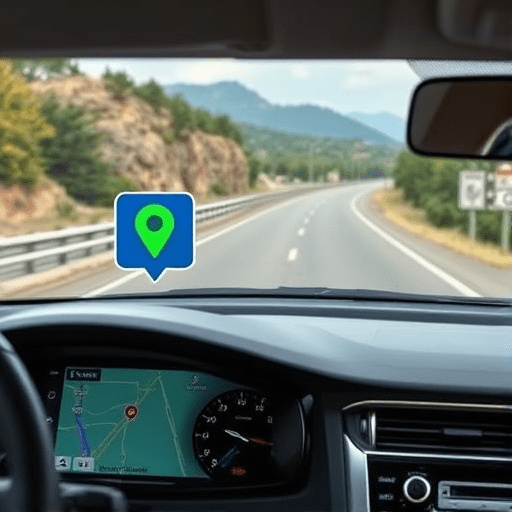
– **Leverage the Live Map:** Don’t just stare at the map salivating. Use it logically. If the live tracking shows your driver is 10 minutes away, review the “Restaurant Info” to see their exact address. *This is the secret to authenticity.* If the map takes you into a maze of narrow alleys to a spot that looks like a local’s living room, you have hit the jackpot for tomorrow night’s dinner.
## Turning a Delivery Order into a Real-World Adventure
The ultimate irony of using a delivery app for authentic travel is that your mission should eventually be to leave the hotel room. Requesting a delivery is not the final destination; it is the research phase.
Once you have devoured your meal and feel the rush of discovering a dish you’d never find on a tailored tourist menu, flip back to the app and view the restaurant’s profile. Look at the “Open in Maps” button. The next day, make a point to visit that restaurant physically.
The delivery app provides you with a curated roadmap to the outdoor markets, family-run tavernas, and local dives that define a city’s dining scene. You can start your journey with a virtual visit, then follow the digital breadcrumbs back to the physical world for the sit-down experience. Order a “trial run” to a nearby scenic overlook for a picnic, and strike up a conversation with the delivery driver to ask what *they* usually order from that spot. It’s the most effective, efficient, and delicious way to bridge the gap between the digital world and the authentic, tangible culture waiting just outside your door.
## Conclusion
Local food delivery apps are turning routine takeout into a groundbreaking travel tool. They provide a direct line to the dishes that fuel a city’s residents, making them an essential asset for any traveler seeking authenticity. By learning to bypass the mainstream apps and jump directly into the local ecosystem, you can order confidently, eat memorably, and use the data to guide your real-world explorations. The best way to get to know a city might be through a cardboard container of its favorite food, discovered one “Bestseller” label at a time.