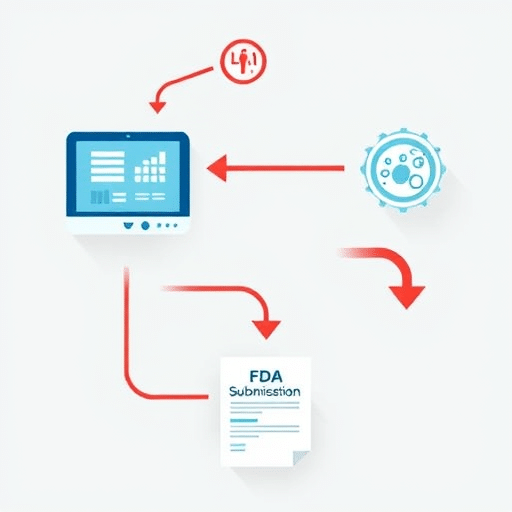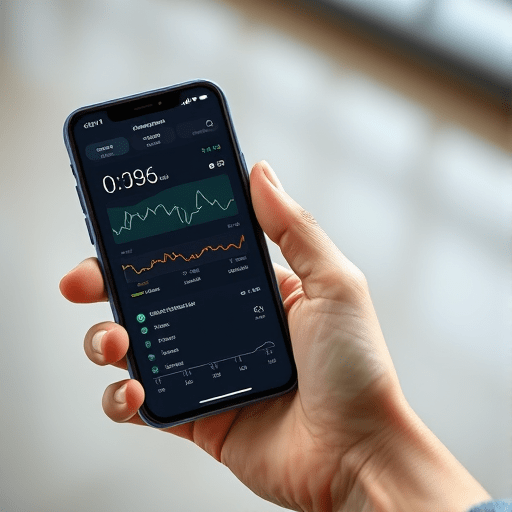
In 2026, the regulatory path for digital health tools is clearer than ever, yet many sponsors still struggle to turn a smartphone app’s FDA breakthrough SaMD designation into a genuine advantage for a pivotal trial. This case study examines how a neurology app called GaitSense earned that designation and used it to compress the validation timeline for a digital walking-speed endpoint. More importantly, it distills the principles that can help you fast-track digital endpoints in your own pivotal trials without sacrificing scientific rigor.
The Regulatory Shift That Made Digital Endpoints Viable
The FDA’s breakthrough device program was once reserved for hardware and invasive devices. But over the past five years, the agency has explicitly welcomed software-as-a-medical-device (SaMD) into the fold, particularly when it addresses an unmet clinical need or offers a significant advantage over existing approaches. The eligibility criteria now include digital measures that can replace or augment patient-reported outcomes in clinical trials.
That shift allowed GaitSense—a smartphone app that measures stride variability, cadence, and turn time using built-in inertial sensors—to qualify as a breakthrough device. The app was developed to support a disease-modifying therapy for early-stage Parkinson’s disease, where traditional in-clinic walking tests often fail to capture daily motor fluctuations. For the pivotal trial, the sponsor needed a digital endpoint that was both sensitive and acceptable to regulators. The appointment of the breakthrough designation signaled early alignment with FDA on the app’s primary outcome.
Inside the Breakthrough Designation: What the App Did Differently
The breakthrough designation did not arrive because the app was clever or novel. It arrived because the sponsor treated the digital endpoint as a serious clinical instrument rather than a bonus data stream. The app’s algorithms were developed from a longitudinal cohort of more than 1,200 patients across five movement-disorder clinics. Every sensor reading was anchored to a clinic-based reference, such as the MDS-UPDRS Part III motor exam and the timed 25-foot walk test.
That anchoring directly addressed a common FDA concern: What is the patient actually doing while we collect the data? The app included an on-screen scripted instructional overlay that prompted patients to walk in a straight line, turn naturally, and pause for two seconds before reversing direction. This reduced variability without turning the measurement into a lab-based task, preserving the real-world relevance of the endpoint.
From Raw Sensor Data to a Validated Digital Biomarker
One of the most instructive parts of the case study is the biomarker pathway. The sponsor did not claim that the app measured a completely new construct. Instead, they positioned the digital measure as a more frequent, more granular version of a known concept—walking capacity. By providing head-to-head concordance data against the timed walk and a gait lab reference, they built a convergence argument. The FDA appreciated that the app’s output could be mathematically linked to a legacy endpoint, making it easier for clinicians to interpret the trial results.
The breakthrough designation phase also gave the sponsor an opportunity to co-design the study analysis plan with FDA regulators. That meant agreeing on the minimal clinically important difference (MCID) for the digital endpoint before the pivotal trial began, not after. This single step eliminated the most common reason for digital endpoint rejection at the review stage.
Three Lessons for Sponsors Preparing Their Own SaMD Submissions
While GaitSense is a specific example, its breakthrough journey offers broadly transferable lessons for any sponsor aiming to fast-track digital endpoints in late-stage trials.
Lesson 1: Engage FDA Early Through the Q-Submission Process
The sponsor submitted a presubmission package nearly 18 months before the pivotal trial planned to start. This package included not only algorithm validation data but also a simulated trial dataset showing how the digital endpoint would behave under missing data, timezone shifts, and patient non-adherence. That level of foresight transformed what could have been a disorganized back-and-forth into a structured negotiation. The breakthrough designation acted as a catalyst for biweekly meetings, but even without formal breakthrough status, early engagement through the Q-Submission process remains the fastest way to resolve measurement ambiguities.
Lesson 2: Anchor Digital Endpoints to Established Clinical Scales
New digital endpoints do not succeed on novelty alone. They succeed when they demonstrate concordance with standards that clinicians already trust. For GaitSense, the sponsor showed that the app’s gait velocity measurement had a Pearson correlation of 0.91 with clinic-based timing on the same patients. More importantly, they showed that the digital measure amplified the treatment signal—capturing post-dose improvement over a 24-hour period that the clinic visit missed. This dual argument of correlation and added value is what persuaded regulators, not just raw sensor data.
Lesson 3: Design for Patient Adherence and Data Quality in Real-World Settings
Many SaMD apps fail in pivotal trials because participants stop using them after the first week. GaitSense avoided this through what the sponsor called a micro-task design. Each assessment session took less than 90 seconds and was automatically triggered when the patient’s phone detected a stable walking pattern. The patient simply saw a small notification: Take a 30-second gait check. The app also provided visual feedback on their walking form, which gave participants a sense of personal utility beyond the clinical data. As a result, the pivotal trial achieved 94% protocol compliance per patient over a 48-week period, a number that rivaled even traditional diary completion rates.
Measuring the Impact on the Pivotal Trial Timeline
By securing breakthrough designation, the sponsor was able to compress several regulatory milestones. The standard timeline for novel digital endpoint qualification can range from 24 to 36 months. GaitSense managed to obtain qualification for the specific walking-speed endpoint in 11 months. However, the designation did not shorten the enrollment phase or the clinical duration. Instead, it shifted the time savings to the statistical analysis and submission review phases. The FDA agreed to an interim analysis based on the digital endpoint at the 24-week mark, allowing a go/no-go decision earlier than the protocol originally mandated.
The sponsor also used the breakthrough designation to negotiate a decentralized trial component. Thirty percent of the patients submitted their gait data entirely from home, without an in-person site visit for the primary endpoint. This reduced the number of full clinical site visits from seven to four, cutting trial costs by an estimated 18% and improving patient diversity by removing transportation barriers.
What Breakthrough Status Does and Doesn’t Guarantee
The GaitSense case underscores that a smartphone app’s FDA breakthrough SaMD designation is not a shortcut around good clinical science. It is a structural advantage that works best when embedded in a well-designed regulatory strategy. The designation does not guarantee reimbursement, nor does it automatically qualify the digital endpoint for use in other trials. In fact, the FDA explicitly stated that the qualification applied only to the specific algorithm version and the specific walking protocol used by the sponsor.
That specificity is a blessing and a burden. It protects the scientific integrity of the endpoint, but it also means early-stage upgrades to the app’s algorithm must be carefully evaluated for regulatory impact. The sponsor learned this the hard way when a software update introduced a small change in gyroscope filtering that altered the turn-time measurement by 0.2 seconds. The change required a supplementary validation study, delaying the next trial by four months. The lesson: version control of your digital endpoint is as critical as version control for your drug substance.
Conclusion
The journey of GaitSense demonstrates that fast-tracking digital endpoints for pivotal trials is less about chasing a breakthrough label and more about building an evidence package that addresses the agency’s core concerns: clinical relevance, data quality, and patient adherence. Sponsors who align early with regulators, anchor their digital measures to established scales, and design for real-world usability will find that the FDA breakthrough designation can be a powerful accelerant—not a panacea, but a well-earned advantage in an increasingly competitive and data-rich landscape.