Zero‑Waste Road Trip Across the Canadian Rockies: A Complete Guide to Driving, Camping, and Eating Sustainably
Embarking on a Zero‑Waste Road Trip Across the Canadian Rockies is an exciting way to explore one of North America’s most breathtaking landscapes while honoring the planet. This guide walks you through the essential steps—route planning, packing, camp etiquette, and sustainable dining—so you can enjoy the journey with minimal environmental impact.
1. Planning Your Route & Sustainable Driving
Choose Low‑Impact Roadways
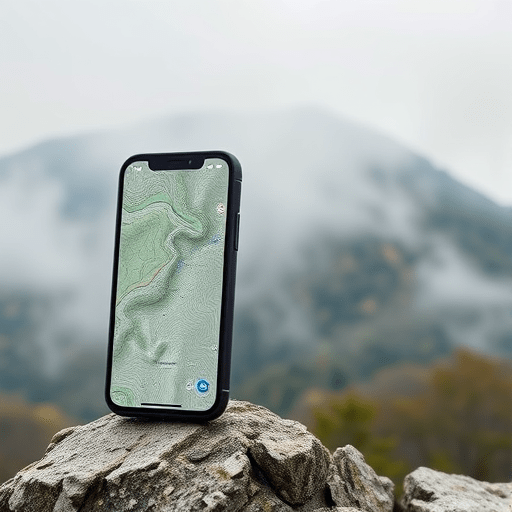
Opt for provincial highways that avoid heavily trafficked urban centers. In the Rockies, Highway 93 (Yukon‑Alaska Highway) and Highway 93A (Icefields Parkway) offer scenic drives with lower vehicle emissions compared to major interstates. Use Google Maps’ eco‑mode or Waze’s lowest‑emission route to find the most fuel‑efficient path.
Drive Smart, Not Fast
- Keep the engine warm by driving at a steady speed; sudden acceleration increases fuel consumption.
- Plan refueling stops at fuel stations that offer fuel‑efficient pumps or that allow you to fill with renewable fuels if available.
- Use a high‑efficiency vehicle such as a hybrid, electric, or a fuel‑efficient diesel SUV. If you’re using a traditional gasoline car, consider installing an engine‑tune kit for better mileage.
Timing Matters
Plan your drive during the shoulder seasons (late spring or early fall). Road closures due to snow are common in winter, and summer brings higher traffic volumes. Early mornings provide cooler temperatures, better fuel efficiency, and quieter, more serene landscapes.
2. Packing with Zero‑Waste in Mind
Minimalist Gear Selection
The less you carry, the lighter your vehicle is and the lower your emissions. Pack a compact backpacking tent and a dual‑purpose cooking pot that doubles as a storage container. Use a solar‑powered charger instead of disposable batteries.
Reusable Food & Drink Containers
- Stainless steel water bottles (e.g., Hydro Flask) with a silicone sleeve for extra grip.
- Glass or BPA‑free plastic containers with silicone lids that can be used multiple times.
- Reusable silicone bags for snacks and leftovers.
Zero‑Waste Toiletry Kit
Switch to solid soap bars, bamboo toothbrushes, and a small, refillable bottle of biodegradable dish soap. Pack a biodegradable toilet paper roll or use a portable composting toilet to reduce waste at remote sites.
Cleaning & Hygiene
Carry a small bucket of biodegradable detergent for washing dishes, and use a biodegradable hand sanitizer gel in a refillable bottle. This eliminates single‑use plastic packaging.
3. Sustainable Camping Practices
Select Leave No Trace Sites
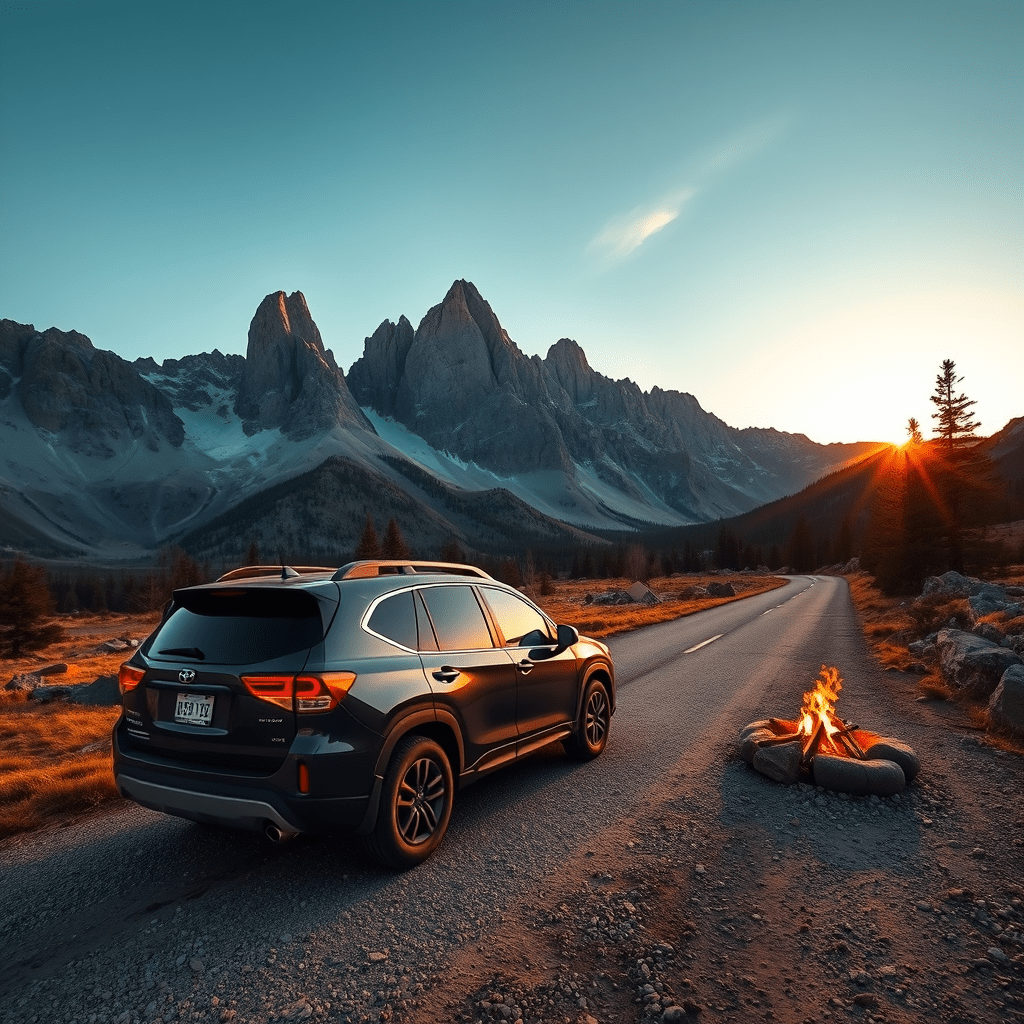
Choose campsites with established fire rings and proper waste disposal facilities. If none exist, create a minimal footprint fire by gathering naturally fallen wood. Use a portable camp stove for cooking to reduce the need for open fires.
Respect Wildlife
- Store food in bear‑proof containers or hang it 10–15 feet above ground in a tree away from your sleeping area.
- Keep all trash, including animal waste, sealed in a durable bag.
Water Management
Use collapsible water barrels to carry water from nearby lakes. If you’re in a more remote area, invest in a water filter system that removes bacteria and microplastics without relying on bottled water.
4. Eco‑Friendly Food & Cooking Ideas
Plan a Meal Calendar
Draft a week‑long meal plan to reduce food waste. Use locally sourced ingredients when possible, such as wild berries or foraged greens (only if you’re certain of safety).
Breakfast: Overnight Oats
Mix rolled oats, chia seeds, and a dash of cinnamon in a glass jar. Add plant‑based milk or water and let it sit overnight. In the morning, top with local berries and a handful of nuts.
Lunch: Protein‑Packed Wraps
Use whole‑grain tortillas with hummus, shredded carrots, spinach, and a protein source such as canned tuna (in water) or pre‑cooked lentils. Wrap tightly in reusable silicone bags.
Dinner: One‑Pot Soups
Cook a hearty vegetable soup with dehydrated veggies, beans, and diced root vegetables in a large pot. Use a wood‑burning stove or a small propane stove to keep emissions low. Portion into silicone containers for leftovers.
Snacks & Desserts
- Trail mix made of raw nuts, seeds, and dried fruit.
- Dark chocolate squares for a sweet treat.
- Fresh fruit from local farms or berries for natural sweetness.
5. Waste Management & Leave No Trace
Carry a Trash Bag System
Use a 3‑way trash bag system with separate compartments for recyclables, compostables, and non‑recyclables. This keeps your vehicle’s interior clean and ensures you can sort waste before leaving the site.
Recycling & Composting
Whenever you encounter a recycling facility, bring your plastics and metal in labeled containers. If you’re in an area that allows composting, bring a small, hand‑crank compost bin for biodegradable waste.
Leave No Trace Checklist
- Pack out all trash, leftover food, and litter.
- Do not disturb wildlife or plant life.
- Use established campsites or create a temporary fire pit if none exist.
- Maintain a low vehicle profile: no extra weight, no tail lights left on.
6. Local Resources & Permits
Before you set off, check the British Columbia Environmental Office and the Alberta Tourism Office for any permits required for camping or fishing. Many provincial parks allow no‑trespassing fees but require a daily permit. Additionally, the National Park Service in Canada offers free Zero‑Waste Travel Guides for each park.
Conclusion
With thoughtful planning, zero‑waste gear, and a commitment to Leave No Trace principles, a road trip across the Canadian Rockies can be both exhilarating and environmentally responsible. By reducing your carbon footprint, minimizing waste, and respecting nature, you’ll help preserve these majestic landscapes for future generations.
Start planning your zero‑waste adventure today and leave nothing behind.