When you plan a week‑long adventure, the first thing that surfaces on most travelers’ minds is the packing list. Yet, the way you organize your luggage can either inflate your expenses and anxiety or trim them to a neat, sustainable shape. Zero‑Waste Packing: Cut Costs & Stress in 7‑Day Trips offers a step‑by‑step minimalist checklist that keeps your wallet happy, your stress low, and the planet grateful.
Why Zero‑Waste Packing Saves Money and Mindfulness
Traveling without excess means you buy fewer items that you might never use, reduce the weight of your suitcase (and avoid checked‑bag fees), and minimize the environmental impact of disposable travel products. A lighter, well‑planned load translates directly into savings:
- Zero checked‑bag fees on airlines that charge per kilogram.
- Reduced need for last‑minute store purchases in foreign currencies.
- Lower carbon footprint from fewer products produced, shipped, and disposed of.
- Less mental clutter—fewer decisions about what to wear or bring.
In addition to the financial benefits, a streamlined pack lowers travel anxiety. Knowing that every item in your bag has a purpose lets you focus on the experience rather than the logistics.
Step‑by‑Step 7‑Day Zero‑Waste Packing Checklist
Below is a day‑by‑day packing guide that balances versatility, sustainability, and affordability. All items are chosen for multi‑use, compactness, and biodegradability where possible.
Day 1: Essentials & Multi‑Functional Gear
- Travel‑Size Toiletries Kit: Use a reusable refillable pump bottle (70 ml) for shampoo, conditioner, body wash, and face wash. Transfer into a single, sturdy silicone container to reduce plastic.
- Travel‑Friendly Skincare: Pack an all‑in‑one moisturizer with SPF, a small eye gel, and a natural, reusable cotton eye mask.
- Versatile Clothing: Bring a neutral, quick‑dry T‑shirt that can double as an undershirt or a towel in a pinch.
- Compression Packing Cubes: These keep clothes organized and reduce volume.
- Portable Water Bottle: Stainless steel or BPA‑free Tritan; refill at every opportunity.
- Reusable Snack Pack: A lightweight, collapsible silicone container for nuts or dried fruit.
- One Smart Travel Pillow: Inflatable pillow that fits in a carry‑on pocket.
Day 2‑3: Layering and Weather Adaptability
- Layerable Jacket: A wind‑and‑waterproof shell that can also serve as a hooded sleepwear jacket.
- Multi‑Use Socks: Merino wool socks that keep feet dry, warm, and odor‑free for up to two weeks.
- Compact Umbrella: A foldable, high‑pressure umbrella that fits inside a tote bag.
- Footwear: One pair of hybrid hiking sneakers that can also be worn as casual shoes.
Day 4‑5: Cultural Sensitivity & Smart Tech
- Dress‑Appropriate Attire: Include a modest, reversible dress or a pair of tailored trousers that can be styled for both day and evening.
- Electronics: A universal travel adapter, a lightweight USB‑C charger, and a single camera with a fast‑zoom lens (no need for multiple lenses).
- Travel Apps & Offline Maps: Download all necessary maps to your phone before departure to save on data roaming.
- Reusable Shopping Bag: A collapsible canvas tote that you can fold into a small pouch.
Day 6‑7: Leisure & Minimal Luxury
- Swimwear & Quick‑Dry Towel: Pack one swim cover‑up and a microfiber towel that shrinks to a few centimeters.
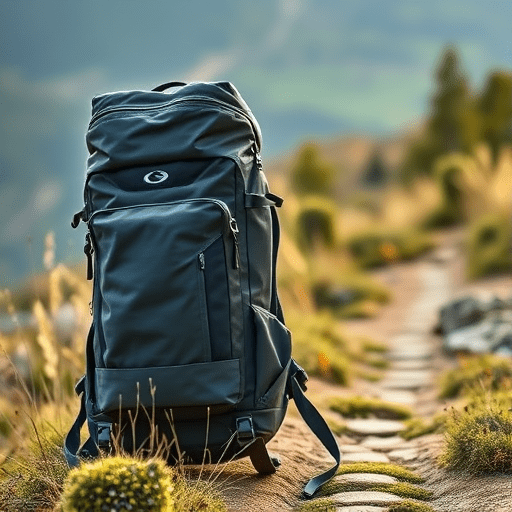
- Lightweight Backpack: For day trips; pack a small travel umbrella, a reusable snack pack, and a travel journal.
- Personal Care Extras: A small, biodegradable bamboo toothbrush and a refillable toothpaste tube.
With the core items in place, you can now tackle the final touch: the packing technique that eliminates excess weight and clutter.
Advanced Packing Techniques for the Zero‑Waste Traveller
Rolling vs. Folding
Rolling clothes reduces creases and frees up space. For delicate items—such as your multi‑use T‑shirt—roll them in a protective sleeve made from a natural, breathable fabric. This technique also ensures that you can quickly assess how many items fit in your luggage.
Use of Compression Bags
Compression bags are a staple for eco‑travel. By removing air, you can fit a full jacket into a single sleeve. Remember: do not over‑compress; leave a small margin to avoid crushing fabrics.
Smart Layering Strategy
When you plan a day, consider the weather forecast and pack your clothes in layers—light under layer, insulating middle layer, and weather‑proof outer layer. This way, you can add or remove clothing as conditions change without adding extra garments.
Weight Tracking App
Use a lightweight weight tracker—most smartphones have built‑in scales or you can purchase a pocket‑size digital scale. Keep a log of each item’s weight; this helps you keep within airline limits and spot items you can safely remove for future trips.
Local Shopping & Digital Currency
When you arrive, check local markets for reusable products (e.g., a small, reusable bamboo cutting board). Buying small, local items can offset the need to carry bulky items like cooking utensils or large food containers.
Mindful Packing Ritual
Before you close your suitcase, take a moment to ask: “Will I use this? Does it have a second purpose?” If the answer is no, consider leaving it behind. This practice reduces impulse purchases during the trip and keeps your mind clear.
How Zero‑Waste Packing Affects Your Budget
Adopting a minimalist, zero‑waste packing strategy not only saves money on airline baggage fees but also influences other aspects of your travel budget:
- Fewer On‑Site Purchases: With a reusable water bottle and snack pack, you’ll need less frequent trips to convenience stores.
- Less Laundry: Multi‑use clothing reduces laundry frequency, saving on hotel laundry fees and energy consumption.
- Lower Gear Replacement Costs: Investing in high‑quality, durable items means fewer replacements during or after the trip.
Overall, travelers who practice zero‑waste packing can often reduce their trip expenses by 10‑20%, freeing up funds for experiences rather than logistics.
Zero‑Waste Packing for Anxiety Management
Stress during travel often stems from uncertainty—what will I need? Will I be able to find a place to clean my clothes? With a zero‑waste packing plan, you eliminate many of these questions:
- Pre‑packed, versatile clothing eliminates the “what to wear” dilemma.
- Reusables replace the need to buy at every stop, easing financial anxiety.
- Knowing you’re not carrying excess weight reduces physical discomfort and mental burden.
Additionally, the act of planning and executing a minimalist pack can be a grounding ritual that fosters calmness before departure. It’s a tangible way to bring control into the unknown.
Common Zero‑Waste Packing Mistakes and How to Avoid Them
Over‑Packing “Just in Case” Items
It’s easy to think, “What if I need a raincoat?” The trick is to choose multi‑use items that cover several needs. For instance, a windproof shell can double as a rain jacket.
Ignoring Local Resources
Every destination offers unique local resources—think bamboo toothbrushes in Southeast Asia or reusable straw sets in Latin America. Research before you go, so you know what you can purchase locally and what you need to bring.
Forgetting About Sustainability of Packing Materials
Opt for packing cubes made from recycled polyester or natural fibers. Avoid single‑use plastic bags; instead, bring a small, collapsible cloth bag.
Not Considering Weight Distribution
Place heavier items near the bottom of your luggage and around the suitcase’s center of gravity to avoid uneven loading and potential strain on your luggage or shoulders.
Final Tips for Zero‑Waste 7‑Day Trips
- Set a strict weight limit (e.g., 10 kg) and measure your luggage before departure.
- Invest in a high‑quality, reusable travel journal that can be used for notes, sketches, or as a memory book.
- Plan your meals in advance; pack reusable containers to avoid disposable packaging.
- Use a travel app to track your carbon footprint; many tools estimate emissions based on flight, transport, and lodging choices.
- Before returning home, donate or repurpose unused items to reduce waste.
Zero‑Waste Packing isn’t just a trend—it’s a practical, sustainable approach that aligns with modern, tech‑savvy travelers who value both cost efficiency and environmental stewardship. By following this comprehensive checklist and these mindful packing habits, you can enjoy a 7‑day adventure that’s light on your pockets, light on your luggage, and light on the planet.
With a simple, well‑structured approach, you can reduce travel costs by up to a fifth, lower anxiety by eliminating the “what‑to‑pack” stress, and leave a smaller footprint with every trip you take.