# Why Wearable Sweat Sensors Are Replacing Guesswork in Electrolyte Replacement
For decades, athletes have relied on urine color charts, pre- and post-training weigh-ins, and the occasional forehead wipe to estimate how much sodium, potassium, and magnesium they lose during a workout. That era of educated guessing is ending. In 2026, wearable sweat sensors are replacing guesswork in electrolyte replacement by measuring sweat rate, sweat loss composition, and even skin temperature in real time. These compact, skin-mounted devices are turning the oldest biological feedback loop—sweat—into a precision data stream that tells you exactly what to drink, when to drink it, and whether your current electrolyte strategy is working.
## The Problem with Hydration Guesswork
Most athletes still follow generic hydration rules: drink to thirst, add an electrolyte tablet for every hour of training, or check that your urine is pale yellow. These methods are not useless, but they are averages, not individual answers. Sweat composition varies widely from person to person. Two athletes running the same pace in the same heat can lose drastically different amounts of sodium—one might lose 1,000 milligrams per liter of sweat, while another loses only 400. A one-size-fits-all electrolyte dosage is therefore no better than a coin flip.
The old approach also has a timing problem. Post-exercise hydration assessments tell you what happened during your workout, not what is happening right now. By the time you realize your sweat rate was unusually high, you are already dehydrated. Wearable sweat sensors close that gap by providing continuous, on-body measurements during training, allowing for just-in-time adjustments to fluid and electrolyte intake.
## How Smart Sweat Analysis Works
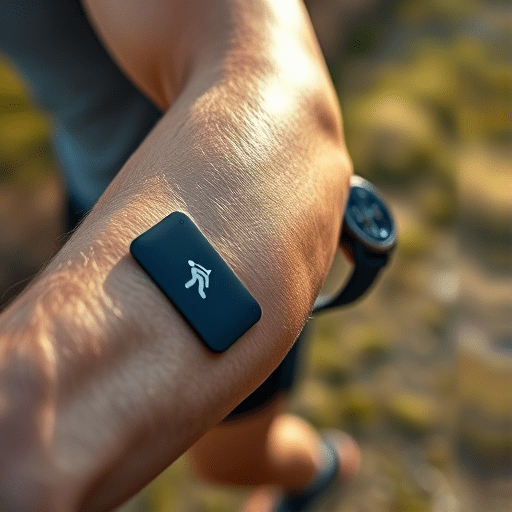
Modern sweat sensors are not laboratory tests miniaturized into a patch. They use microfluidic channels and electrochemical biosensors to analyze sweat as it emerges from the skin. The device typically sits on the forearm, lower back, or forehead, where sweat production is consistent and accessible. As sweat flows through the sensor, electrodes measure concentrations of sodium, potassium, chloride, and other ions. Simultaneously, a tiny flow meter tracks the volume of sweat produced over time.
### From Sweat Rate to Sweat Loss
Sweat rate is the most underrated metric in sports hydration. It is not just about how much fluid you lose—it is about how your loss rate changes across different intensities and environmental conditions. A sweat sensor can show that your rate climbs sharply after 30 minutes of tempo work, or that it drops once you enter shade, allowing you to calibrate your intake accordingly.
### Electrolyte Composition in Real Time
The real breakthrough is continuous electrolyte analysis. Instead of sending a swatch of sweat to a lab or using a one-time color strip, the sensor provides a live readout of sodium and potassium levels. This matters because sodium needs are highly individual. Some athletes are “salty sweaters,” leaving white streaks on their shirts; others produce hypotonic sweat that requires less replacement. With a wearable sensor, you can see your own sodium trend line during a session, not just a single snapshot after the fact.
## Beyond Hydration: What Sweat Sensors Reveal About Training
The category is labeled “smart sweat analysis,” but the implications extend beyond fluid replacement. Sweat composition is a window into physiological status. For example, sweat chloride concentration tends to rise with core body temperature in some individuals, making it an early indicator of heat strain. Sweat sodium levels can reflect aldosterone activity, which relates to how well your body is retaining minerals. Continuous monitoring of these shifts helps athletes anticipate heat stress before they feel dizzy or nauseated.
### Monitoring Heat Acclimation
One of the most practical uses of wearable sweat sensors is tracking heat acclimation. As you adapt to training in hot conditions, your sweat rate increases and sodium loss per liter of sweat decreases. A sensor can quantify that adaptation over weeks, showing that your body is becoming more efficient at cooling itself while conserving electrolytes. That data can guide intensity decisions: if your sodium loss is still high, you know your acclimation is incomplete, and you should delay a hard interval session.
### Personalized Fluid and Fuel Strategies
Sweat data also complements carbohydrate and electrolyte intake strategies. Some endurance athletes now combine sweat sensor outputs with continuous glucose monitors to fine-tune their fueling during ultra-endurance events. The sensor says you are losing 800 milligrams of sodium per liter; the glucose monitor says your blood sugar is trending downward. Together, they tell you whether to grab an electrolyte drink, a gel, or both at the next aid station. This is the difference between reactionary fueling and anticipatory strategy.
## Choosing a Wearable Sweat Sensor in 2026
The market for sweat sensing wearables has matured. Early prototypes were bulky, expensive, and prone to calibration drift. Current devices are thinner, more accurate, and increasingly integrated into armbands, watch bands, or disposable patches. When evaluating a sensor, athletes should consider three factors: accuracy, durability, and data integration.
### Accuracy and Calibration
Look for sensors that have been validated against laboratory sweat collection methods. Published accuracy data is a good sign. Some devices require a short warm-up period before they start producing reliable numbers; others calibrate automatically. If you are going to base electrolyte intake on the data, the margin of error should be within 5% for sodium and within 10% for sweat rate.
### Durability and Comfort
A sensor that peels off after 20 minutes of running is useless. Check whether the adhesive is sweat-proof, the electronics are water-resistant, and the device can tolerate chest rubs or backpack straps. Comfort matters more than most athletes admit, because a sensor that irritates your skin will be abandoned before it produces actionable data.
### Data Integration and Software
The sensor is only half the system. The accompanying app or platform should display trends over time, correlate sweat data with power output and heart rate, and allow manual entry of water and electrolyte intake. The most useful platforms in 2026 provide a simple “drink and replace” recommendation that updates every few minutes. Some even sync with sports watches and training platforms like TrainingPeaks or Garmin Connect, making it easy to review your hydration metrics alongside your performance data.
## Putting Sweat Sensor Data into Practice
Owning a sweat sensor is not magic. You still need a protocol. The best approach is to wear the sensor during a few baseline training sessions in different conditions—hot, cool, intervals, long steady-state—and record your sensor readings alongside subjective feelings of thirst, cramping, and energy. After a few sessions, patterns emerge. You might discover that your sodium loss spikes during the last 15 minutes of a run, or that your sweat rate drops significantly when you wear a certain type of clothing.
### Building Your Personalized Hydration Profile
Use that baseline data to create a simple table for yourself: for a 60-minute run in 75 degrees, you lose roughly X grams of sodium and Y milliliters of fluid per hour. Then adjust your drink concentration accordingly. If you are a high sodium loser, you might need a stronger electrolyte mix, or an extra salt capsule for every two hours. If your sodium loss is low, you can rely on a more diluted drink and save money on expensive electrolyte tabs.
### Avoiding Overhydration
One underappreciated benefit of sweat sensors is avoiding overhydration. Drinking too much water without sufficient electrolytes can dilute blood sodium levels, leading to hyponatremia, a potentially dangerous condition. With real-time sodium loss data, athletes can match fluid intake to sweat output more precisely, reducing the risk of drinking beyond their needs. This is particularly important for female athletes, who tend to sweat less than men but often hydrate at similar rates.
## The Future of Sweat-Based Performance Monitoring
The next wave of sweat sensors will likely add lactate, glucose, and even cortisol to the list of measurable biomarkers. Some research groups are already testing prototypes that can detect fatigue markers in sweat before they show up in blood. For athletes, this means the same wearable patch could one day help you decide not just what to drink, but whether to push through a workout or call it a day.
For now, the ability to measure sweat in real time is enough of a game changer. The old way of hydrating was retrospective and generic. The new way is continuous, personal, and specific. By replacing guesswork in electrolyte replacement, wearable sweat sensors are giving athletes the kind of data they already trust from heart rate monitors and power meters—finally applied to the fluid that keeps them moving.
## Conclusion
Sweat is no longer just waste; it is a vital signal. Wearable sweat sensors are replacing guesswork in electrolyte replacement with real-time, personalized data that helps athletes train smarter and avoid the dangers of both dehydration and overhydration. As the technology becomes more accessible and integrated, the athletes who adopt it will gain a clear edge—not because the sensor makes them faster, but because it helps them make better decisions with less uncertainty.