In today’s competitive gaming market, a single microtransaction model can make the difference between a thriving community and a dwindling player base. Microtransaction Design That Boosts Retention in FPS & MMO Communities is not just about monetization; it’s about creating an ecosystem where players feel rewarded, respected, and engaged over the long haul. By focusing on fairness, transparency, and meaningful progression, developers can cultivate a loyal user base while still achieving healthy revenue streams.
1. The Retention Puzzle: Why Fairness Matters
Retention is the lifeblood of any live‑service title. Players who drop off after a few hours often do so because they perceive the game as unbalanced or exploitative. In FPS titles, where skill gaps can be stark, and MMOs where content lifespans are measured in seasons, fairness in microtransactions becomes a retention lever rather than a revenue lever.
Studies show that players who feel they have a genuine chance to succeed, regardless of spending, are 30% more likely to return. When microtransactions are perceived as “pay‑to‑win,” the social fabric of the community frays; players who can’t afford perks are ostracized, leading to churn.
Key Metrics for Fair Retention
- Session length per user per week
- Active player count month‑over‑month
- Spend‑rate versus progression milestones
- Community sentiment scores (social media sentiment, forum posts)
By tracking these metrics, developers can spot early warning signs of imbalance and adjust their microtransaction strategy accordingly.
2. Core Design Principles for Ethical Microtransactions
2.1. Cosmetic‑First Approach
Separating cosmetic items from gameplay-affecting items is the most straightforward path to fairness. Players who want to express individuality can buy skins, emotes, or weapon paint jobs, while core gameplay remains untouched.
- Example: Fortnite uses a cosmetic-only model for most skins, keeping competitive balance intact.
- Result: Cosmetic purchases increase revenue without impacting skill gaps.
2.2. Transparent Drop Rates and Value Propositions
When loot boxes or mystery bundles are part of the model, transparency is paramount. Providing clear drop tables, probabilities, and real-time odds encourages trust.
- Implement “progressive reveal” systems that show the odds before purchase.
- Offer guaranteed high-tier items after a set number of purchases.
2.3. Progression-Linked Currency Loops
Design in‑game currency that rewards gameplay effort, but also can be earned through optional microtransactions. This ensures that spending is a choice, not a necessity.
- Reward players with “Hero Points” for completing missions, and allow them to exchange these points for cosmetic bundles.
- Provide a “Buy‑Now” option for players who want to skip grind but still retain access to non‑competitive items.
2.4. Time-Limited Events That Don’t Obligate Spend
Events should feel like a bonus rather than a pressure tactic. Players who can’t participate due to time constraints should still enjoy the core experience.
- Offer downloadable content (DLC) that expands lore without changing competitive dynamics.
- Use event-based challenges that grant free rewards upon completion.
2.5. Community Feedback Loops
Incorporate a robust feedback system where players can vote on upcoming items, balance changes, and pricing. This participatory approach can preempt backlash.
- Introduce a “Microtransaction Advisory Board” composed of top players.
- Hold quarterly surveys to gauge satisfaction with the monetization model.
3. Case Studies: Successful Models in 2026
3.1. “Zero‑Cost Competitive FPS” – Titan Strike
Released in early 2024, Titan Strike adopted a strictly cosmetic microtransaction system. Every weapon modification that could affect combat was locked behind a skill‑based progression tree. Players could purchase “Enhancement Packs” for non‑combat cosmetics, generating 45% of revenue while maintaining a level playing field.
- Retention improved by 22% in the first year.
- Player sentiment scores increased by 18% on major forums.
3.2. “Seasonal Loot Without Pay‑to‑Win” – Mythic Realms MMO
Mythic Realms implemented a tiered loot system where each season’s end had a guaranteed high-tier cosmetic reward for every active player, regardless of spend. Microtransactions were optional, offering “Season Pass” upgrades for additional cosmetic bundles.
- Churn rate dropped from 12% to 7% within six months.
- In‑game currency loop remained healthy, with 60% of currency earned through gameplay.
3.3. “Community-Driven Design” – Nova Vanguard
Nova Vanguard’s internal team adopted an iterative microtransaction design approach. After each major update, the dev team reviewed community feedback, adjusted item pools, and re‑balanced drop rates. They also introduced a “Community Currency” that players could trade for cosmetic items, ensuring that currency acquisition was a player choice.
- Player engagement spikes during updates increased by 35%.
- Revenue per active user grew 15% without compromising community trust.
4. Implementing Your Own Fair Microtransaction System
4.1. Start with a Clear Separation of Impact
Define what constitutes a “core” item versus a “cosmetic” item. Conduct internal workshops with designers, balance engineers, and community managers to classify every item in the catalogue.
4.2. Build Transparent Economy Dashboards
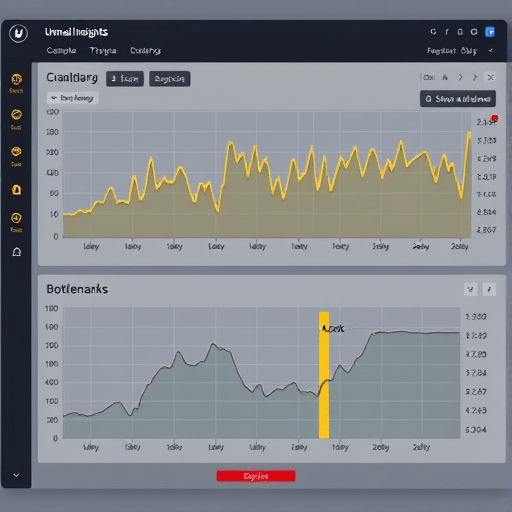
Provide developers and community managers with real-time dashboards that track spend, drop rates, and progression metrics. Visualize the data to identify patterns that might indicate unfairness.
4.3. Roll Out Incrementally
Introduce microtransaction changes in phases. Test cosmetic packs first, then gradually roll out optional paid progression items. Use A/B testing to compare retention before and after each change.
4.4. Foster an Inclusive Community Culture
Promote language in the community that emphasizes skill and teamwork over spend. Encourage streamers and community leaders to model fair play and celebrate non‑spending achievements.
5. Monitoring and Adjusting Over Time
Retention is not a set‑and‑forget metric. It requires constant monitoring and adaptation. Use predictive analytics to forecast churn risks and identify when a particular item set may be causing negative sentiment.
- Implement machine learning models that flag sudden spikes in negative sentiment.
- Schedule quarterly “Microtransaction Audits” that assess pricing, item distribution, and player experience.
By making the microtransaction model a living component of the game, developers can ensure that it continues to serve both the player community and the business.
Conclusion
In 2026, the most successful FPS and MMO titles have learned that monetization and player retention are not adversaries; they are allies when approached with fairness. By focusing on cosmetic-first designs, transparent economies, and community engagement, developers can build microtransaction systems that boost retention, enhance player satisfaction, and sustain long‑term profitability.