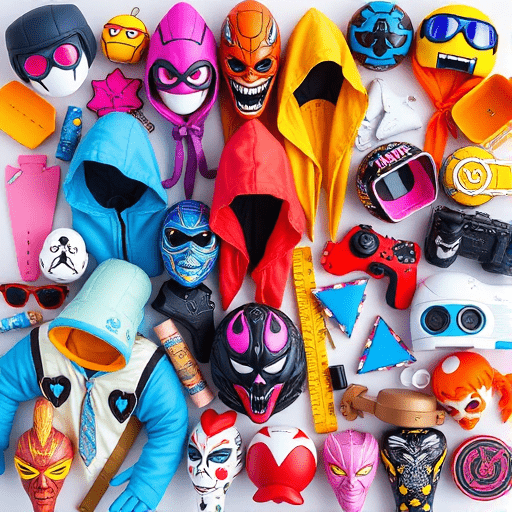
In 2026, players expect more than just functional upgrades; they crave immersive aesthetic experiences that reflect their identity. Crafting cosmetic bundles that resonate emotionally, offer perceived value, and respect player trust is the new frontier for monetization. This guide presents a practical, data-driven framework to design player‑friendly cosmetic packs that increase earnings without sacrificing loyalty.
1. Understand the Psychological Levers Behind Cosmetic Spending
Players’ willingness to pay for cosmetics hinges on three intertwined psychological factors:
- Social Proof – Seeing peers flaunt unique skins encourages a desire to belong.
- Scarcity & Exclusivity – Limited‑time or rarity signals value, driving impulse purchases.
- Progressive Unlocks – Unlocking new styles as rewards feels earned and satisfying.
By integrating these levers into bundle architecture, you create an ecosystem where revenue growth naturally aligns with player enjoyment. Each cosmetic pack should deliver:
- A clear narrative (e.g., “Season 8 Festival Pack”).
- Distinct aesthetic tiers (basic, premium, legendary).
- Transparent pricing and unlock pathways.
2. Build a Modular Bundle Framework That Adapts to Player Behavior
Instead of static, one‑size‑fits‑all bundles, adopt a modular approach that allows dynamic composition based on real‑time data. Key components:
- Core Themes – Align bundles with current game lore or seasonal events.
- Accessory Layers – Offer add‑ons like character emotes, weapon skins, or world decorations.
- Utility Tokens – Include non‑cosmetic perks (e.g., increased loot drop rates) sparingly to maintain focus on aesthetics.
Use a bundle recommendation engine that evaluates player purchase history, in‑game activity, and social signals. For example, a player who frequently participates in competitive modes may receive a “Trophy Hunter” bundle featuring exclusive rank insignia and trophy‑themed gear. The engine continuously refines suggestions, ensuring each bundle feels personally relevant.
3. Pricing Strategies That Preserve Trust and Maximize Margins
Price perception is as important as price itself. Here are proven tactics for 2026:
- Price Anchoring – Present a high‑priced “Legendary” tier next to a mid‑tier to make the latter seem affordable.
- Micro‑Packs – Offer ultra‑low‑price (e.g., $0.99) micro‑bundles that act as trial offers. They lower entry barriers and can convert players to higher tiers.
- Dynamic Discounts – Apply time‑based or event‑based discounts to bundles that have seen stagnant sales, encouraging repeat purchases.
- Transparent Bundling – List each cosmetic item within the bundle, so players know exactly what they’re buying.
Implement a price‑match guarantee for a short window (e.g., 48 hours) after launch. If a bundle dips below its price elsewhere, automatically adjust to maintain competitive pricing. This practice signals fairness, reinforcing trust.
4. Communicate Value Through Storytelling and Community Engagement
Monetization succeeds when players perceive tangible value. Leverage storytelling and community engagement to reinforce this perception:
- Launch Narratives – Release a short cinematic that explains the bundle’s lore, origin, and unique features.
- Creator Partnerships – Collaborate with popular streamers or artists to design limited‑edition skins within bundles. Their endorsement boosts credibility.
- Progressive Reveal – Unveil bundle contents gradually (e.g., reveal one new skin each day) to sustain excitement.
- Community Voting – Allow players to vote on upcoming bundle themes, giving them agency and increasing attachment.
These tactics create a virtuous cycle: players feel heard, experience ownership, and are more willing to spend on cosmetic packs that reflect their identity.
5. Measure Success with a Dual KPI Framework
Revenue growth is only one side of the coin. To ensure player happiness remains intact, track the following Key Performance Indicators (KPIs):
- Revenue Metrics
- Average Revenue Per User (ARPU) from cosmetics.
- Conversion rate of bundle offers.
- Lifetime value (LTV) impact of cosmetic spend.
- Player Experience Metrics
- Net Promoter Score (NPS) related to cosmetic offerings.
- Player churn rate after bundle launch.
- Community sentiment analysis from social platforms.
Use A/B testing to experiment with bundle layouts, pricing, and communication strategies. Iteratively refine based on data, ensuring that revenue gains never come at the expense of player satisfaction.
6. Case Study: The “Eclipse Festival” Bundle
In Q1 2026, a leading free‑to‑play shooter introduced the “Eclipse Festival” cosmetic bundle. Key features:
- Three tiers: Standard ($4.99), Premium ($9.99), Legendary ($19.99).
- Exclusive skins, emotes, and a unique in‑game event marker.
- Limited availability: 24 hours during the Eclipse festival.
- Cross‑promoted through a partnership with a top‑tier Twitch streamer who previewed the skins live.
Results:
- Revenue: $2.3 million within 48 hours, a 35% increase over previous festival bundles.
- NPS: +12 points higher than the baseline pre‑launch survey.
- Churn: 0.4% drop in the month following launch, lower than the industry average of 1.2%.
The success lay in aligning bundle tiers with player segments, ensuring transparent pricing, and leveraging community influencers to build trust.
Conclusion
Designing cosmetic bundles that boost revenue while preserving player happiness is a balancing act of psychology, data, and storytelling. By modularizing bundle components, applying fair pricing tactics, engaging the community, and rigorously measuring outcomes, developers can unlock sustainable monetization streams. In 2026, the most profitable cosmetic packs are those that feel earned, resonate emotionally, and respect the player’s trust.