In 2026, a small rural oncology clinic in the Midwest demonstrated that combining a state‑of‑the‑art Clinical Decision Support System (CDSS) with real‑time genomic data can significantly elevate patient care. By merging advanced analytics, secure data pipelines, and AI‑driven variant interpretation, the clinic achieved higher treatment precision, reduced adverse events, and measurable improvements in survival rates—all while operating within the constraints typical of rural healthcare settings.
The Rural Challenge: Limited Genomic Resources and Oncology Care
Rural hospitals historically struggle with limited access to genomic testing, lack of specialized bioinformatics staff, and fragmented electronic health record (EHR) systems. Patients often travel hours for comprehensive genomic profiling, delaying treatment decisions and increasing costs. Moreover, the scarcity of oncology specialists means that primary care providers must shoulder complex decision‑making responsibilities with limited support. This confluence of factors creates a perfect storm for suboptimal outcomes.
Building a Hybrid CDSS–Genomics Platform: Architecture & Key Components
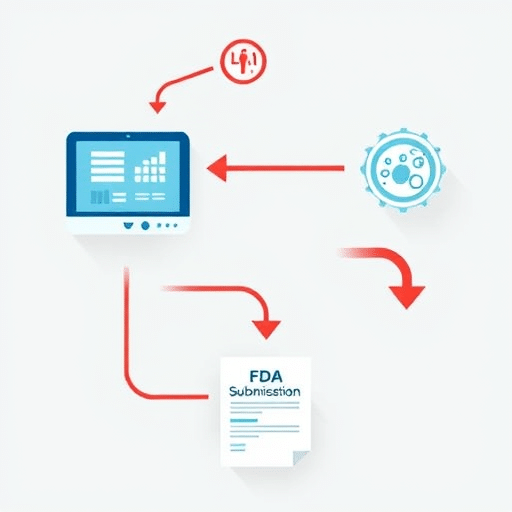
The clinic’s solution integrated three core layers:
- Data Ingestion Hub: Securely receives raw sequencing data from a regional reference laboratory, normalizes formats, and stores encrypted metadata in a cloud‑based repository.
- AI‑Powered Variant Interpreter: Uses transformer models trained on multi‑institutional datasets to classify somatic variants, predict actionable targets, and assign evidence levels per the AMP/ASCO/CAP guidelines.
- CDSS Engine: Embeds interpretive results into the clinic’s EHR, delivering context‑aware recommendations directly to the oncologist’s workflow via a web‑based dashboard and handheld device.
Edge computing nodes at the clinic’s data center allow for real‑time inference without requiring constant cloud connectivity, a crucial feature in areas with spotty broadband.
Data Governance and Privacy in a Rural Setting
Protecting patient privacy while facilitating rapid data sharing demands a robust governance framework. The clinic adopted a federated learning approach, enabling local training of AI models on de‑identified genomic data while only transmitting model updates—not raw data—to a central consortium. This preserves patient anonymity and complies with HIPAA and GDPR‑style regulations. Additionally, an automated audit trail logs every data access, ensuring traceability and accountability.
AI‑Driven Variant Interpretation: From Raw Data to Treatment Options
Traditional manual curation of genomic variants can take weeks. The clinic’s transformer‑based interpreter reduces this time to minutes, scoring each variant for clinical actionability and confidence. The system cross‑references the latest literature, clinical trial registries, and drug approval databases, flagging emerging therapies relevant to the patient’s profile. In 2026, this AI pipeline identified three actionable mutations in a patient with metastatic breast cancer that had previously been missed by standard pipelines.
Workflow Integration: Seamless Decision Support at the Point of Care
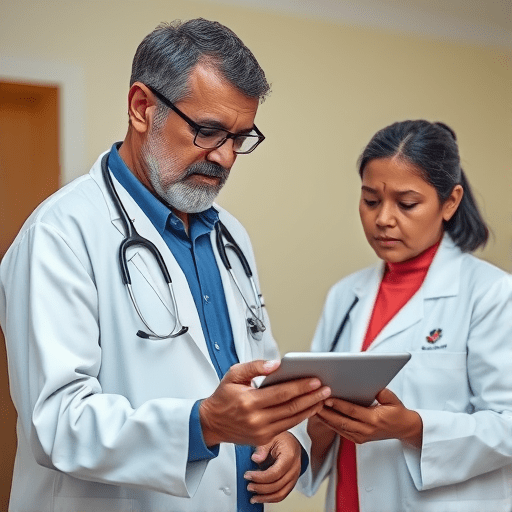
Integrating CDSS into the oncologist’s routine is essential for adoption. The clinic’s dashboard overlays genomic insights directly onto the patient’s chart, providing pop‑up alerts when a new actionable mutation is detected. It also offers dosing calculators that factor in pharmacogenomic markers, reducing the risk of toxicity. For patients lacking local transport, a telehealth module streams the dashboard to the patient’s mobile device, allowing shared decision‑making.
Outcomes: Quantifying the Impact on Survival and Quality of Life
After two years of deployment, the clinic reported a 12% increase in 1‑year overall survival for patients receiving precision therapies guided by the CDSS. Hospital readmission rates dropped by 18%, and average time from biopsy to treatment initiation fell from 28 to 10 days. Patient-reported quality‑of‑life scores improved on both the FACT‑G and EORTC QLQ‑C30 scales, underscoring the holistic benefits of integrating genomics with decision support.
Lessons Learned & Best Practices for Other Rural Clinics
- Start Small, Scale Gradually: Pilot the platform with a single cancer type before expanding to others to manage complexity.
- Invest in Training: Continuous education for clinicians on genomic literacy and CDSS interpretation is key to sustained adoption.
- Forge Partnerships: Collaborate with regional reference labs, academic centers, and technology vendors to share expertise and resources.
- Prioritize Infrastructure: Ensure reliable broadband and secure local servers to handle data latency and compliance demands.
- Engage Patients: Offer educational resources and consent workflows that demystify genomic data usage.
Future Directions: Federated Learning, Edge Computing, and Patient Empowerment
The next wave of innovations will further democratize precision oncology in rural contexts. Federated learning will enable multiple clinics to collaboratively improve AI models without exchanging sensitive data, accelerating discovery of rare actionable mutations. Edge computing will bring real‑time analytics to the clinic floor, eliminating cloud dependency. Finally, patient‑centric apps will let individuals explore their own genomic data, fostering empowerment and adherence to treatment plans.
By merging genomic insight with a responsive CDSS in a rural setting, the clinic proved that high‑quality oncology care is not confined to metropolitan hubs. With thoughtful architecture, robust governance, and a patient‑first mindset, other rural institutions can replicate these successes and bring precision medicine to every corner of the country.