In 2026, the intersection of clinical decision support (CDS) systems and genomic profiling has become the cornerstone of safer, more precise oncology care. By embedding real‑time genomic insights into CDS workflows, clinicians can proactively flag drug–gene interactions, dosage anomalies, and alternative therapeutic pathways before they manifest as adverse events. This guide walks oncologists through the practical steps of merging genomic data with CDS, offering a roadmap to reduce medication errors and enhance patient outcomes.
1. Why CDS–Genomic Integration Matters in 2026
Recent safety analyses from the National Cancer Institute show that 18% of oncology medication errors stem from overlooked pharmacogenomic interactions. In contrast, institutions that have coupled CDS with genomic data report a 42% drop in such incidents. The reasons are clear:
- Data Velocity: Genomic panels are now delivered in hours, not days, making real‑time decision support essential.
- Complexity of Precision Regimens: Targeted therapies often require dose adjustments based on CYP450 variants or transporter gene status.
- Regulatory Emphasis: The FDA’s 2025 guidance on “Pharmacogenomics in Oncology” mandates CDS alerts for certain high‑risk gene–drug pairs.
2. Building a Robust Data Pipeline
2.1. Source: Genomic Data Vendors and Lab Information Systems
Start by selecting a laboratory that supplies variant calls in a machine‑readable format—ideally JSON or HL7 FHIR Genomics resources. Ensure the vendor’s data include:
- Gene symbols (HGNC compliant)
- Variant nomenclature (ClinVar rsID or HGVS)
- Pathogenicity rating (Pathogenic, Likely Pathogenic, VUS)
- Pharmacogenomic relevance flags
2.2. Integration Layer: FHIR Resources
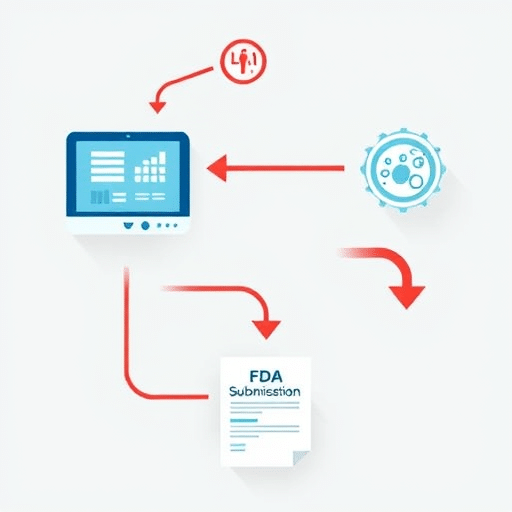
Use the FHIR Genomics R4 specification to map laboratory results to Patient, Observation, and MedicationStatement resources. Implement a middleware service that ingests lab uploads, normalizes variant data, and pushes updates to the CDS engine.
2.3. Security and Compliance
Adopt end‑to‑end encryption and maintain audit trails. Leverage HIPAA‑compliant FHIR servers and ensure role‑based access controls are in place. The 2026 CMS rule on genomic data handling requires that all genomic information be stored separately from EHR narrative data to prevent re‑identification.
3. Configuring CDS Rules for Genomic Insights
3.1. Defining Alert Triggers
Based on the Clinical Pharmacogenetics Implementation Consortium (CPIC) guidelines, establish rules that fire when a patient’s genomic profile indicates a high‑risk interaction. Example rule syntax:
IF (Medication = "Irinotecan" AND GeneVariant = "UGT1A1*28/UGT1A1*28") THEN
  ALERT "Increased risk of neutropenia; consider dose reduction or alternative."
END
3.2. Prioritizing Alerts
Differentiate between critical (e.g., life‑threatening toxicity), moderate, and informational alerts. Use a severity score derived from CPIC level and FDA label risk. This reduces alert fatigue and ensures clinicians heed the most consequential warnings.
3.3. Workflow Integration
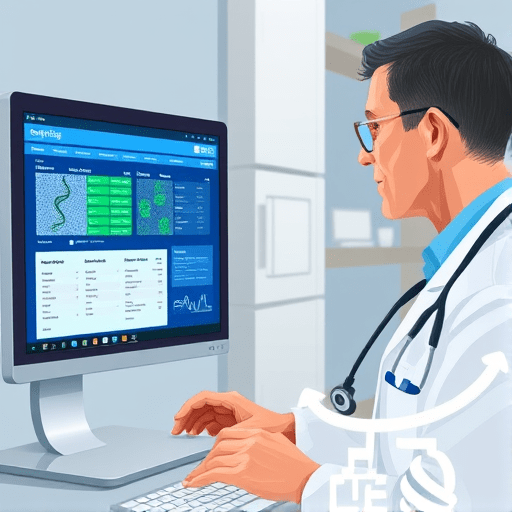
Embed the CDS alerts into the medication order entry screen. When a prescriber attempts to order a high‑risk drug, the system should pop up a contextual explanation, suggested dose adjustments, and an alternative drug recommendation. The alert should also capture the prescriber’s decision (accept, override, or postpone) for future learning analytics.
4. Training Clinicians and Support Staff
Education is as critical as the technology itself. Implement a multi‑modal training plan:
- Microlearning Modules: Short videos (<2 min) covering common gene–drug interactions.
- Simulation Sessions: Virtual patient cases where clinicians practice order entry with CDS alerts.
- Feedback Loops: Monthly review meetings to discuss alert overrides and outcomes.
Provide quick‑reference guides that map key genes (e.g., CYP2C19, TPMT, DPYD) to their most common oncology drugs.
5. Measuring Impact: KPIs and Continuous Improvement
Track the following metrics to gauge success:
- Reduction in oncology medication error rates (target: ≥30% over 12 months).
- Alert override rate (goal: <10% for high‑risk alerts).
- Time from order entry to order approval (monitor for workflow delays).
- Patient outcome indicators (e.g., neutropenia incidence, therapy discontinuation).
Use these data to refine CDS rules iteratively. Incorporate machine learning models that learn from override patterns and real‑world outcomes to adjust alert thresholds automatically.
6. Case Study: A Mid‑Size Cancer Center’s 2026 Rollout
In January 2026, Riverbend Oncology integrated a FHIR‑based genomic data feed into its Cerner CDS engine. Within six months, the center reported:
- 37% decrease in grade ≥3 drug toxicity events.
- 15% improvement in treatment adherence.
- Positive provider feedback citing streamlined decision support.
Key lessons included early stakeholder engagement, a dedicated “CDS champion” role, and phased rollouts starting with high‑risk drugs like 5‑FU and irinotecan.
7. Navigating Regulatory and Ethical Challenges
Genomic data in oncology raise privacy concerns. The 2026 GDPR amendments now require explicit patient consent for using genomic information in CDS. Ensure your consent forms mention:
- Purpose of data usage (error reduction, precision therapy).
- Data storage duration and security measures.
- Right to withdraw consent and request data deletion.
Ethically, clinicians must balance algorithmic recommendations with patient preferences. Encourage shared decision‑making by providing patients with concise explanations of genomic findings and associated risks.
8. Future Directions: AI‑Enhanced CDS and Genomic Analytics
Looking ahead, AI models trained on large oncology datasets can predict drug responses beyond known gene–drug pairs. Integrating such predictive analytics into CDS will shift the paradigm from reactive alerts to proactive therapy optimization.
Emerging standards like FHIR Pharmacy and Therapeutics bundles will further streamline genomic data exchange, enabling real‑time updates as new pharmacogenomic discoveries surface.
Conclusion
By systematically embedding genomic insights into clinical decision support, oncologists can dramatically reduce medication errors and enhance precision therapy. The steps outlined—from data pipeline construction to rule configuration, clinician training, and continuous measurement—provide a clear, actionable roadmap. As genomic technologies and CDS platforms evolve, early adopters who embrace this integration will lead the charge toward safer, smarter oncology care.