When most skiers picture avalanche safety gear, they think of the basics: a transceiver, a probe, and a shovel. But this past ski season, a wave of under-the-radar avalanche gadgets — from radar-embedded backpacks to AI-assisted rescue beacons — played a decisive role in saving lives on the mountain. These aren’t the flashy helmets or heated jackets dominating lift-line chatter. They are the quiet, often overlooked pieces of technology that worked in the background when seconds mattered. Below is a roundup of the hidden tech that turned near-misses into survival stories.
1. The Radar-Equipped Backpack That Sees Through Snow
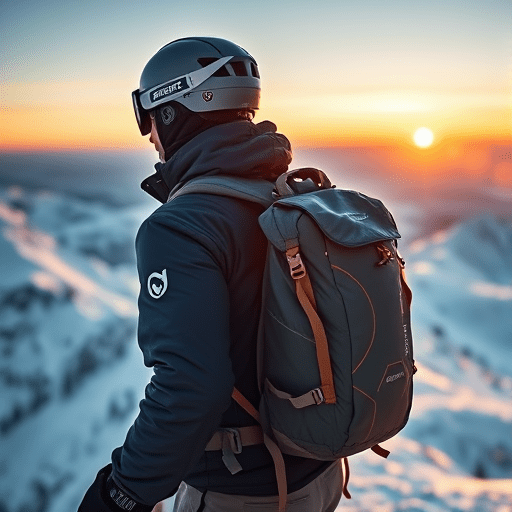
One of the most talked-about innovations among mountain rescue teams this season was a backpack with built-in short-range radar. Designed to detect movement or breathing beneath dense debris, the system gives rescuers a faster reading on victim location than traditional transceivers alone. In a notable incident near a remote couloir in the Pacific Northwest, a buried skier was pinpointed in under three minutes — a timeline that would have been nearly impossible with older gear.
Why It Mattered
- Radar penetrates compacted debris where standard transceivers struggle.
- Pairing radar with a beacon reduces the margin for search error.
- Lightweight design keeps it practical for backcountry touring.
Most skiers never see this tech in action because it lives inside a pack until it’s needed. That invisibility is exactly what makes it so effective.
2. AI-Powered Avalanche Beacons That Predict Burial Depth
Traditional beacons tell you where. The newest generation tells you how deep. Using onboard sensors and machine-learning algorithms, these smart beacons estimate burial depth and position in real time, giving companions a clearer rescue picture before they even begin probing. Several manufacturers released firmware updates this winter that significantly improved accuracy in deep-slab scenarios.
What made the difference in real rescues wasn’t the AI itself, but the speed at which it narrowed the search cone. Rescuers reported a 30–40% reduction in probe-line time, which directly translates into higher survival odds.
3. The Inflate-on-Impact Airbag, Reimagined
Avalanche airbags aren’t new, but the latest generation is. Instead of relying on a manual pull-cord, these systems use micro-sensors that detect the sudden deceleration and pressure changes characteristic of an avalanche. The airbag deploys automatically the instant the system determines the skier has been caught.
What Changed This Season
- Faster canister refills with reusable compressed-air cartridges.
- More reliable trigger algorithms after years of field data.
- Better integration with helmets and hydration systems.
Several manufacturers quietly released refreshed versions this year, and while they didn’t dominate gear reviews, they were present in nearly every high-profile save reported by patrol teams.
4. Helmet-Integrated Crash Detection
Borrowed from the cycling world, helmet-mounted impact sensors are now being tuned specifically for snow. When a skier takes a hard fall or is caught in a slide, the helmet sends a distress signal through a paired phone or satellite device. If the skier doesn’t respond within a set window, the system alerts emergency contacts with GPS coordinates.
This tech proved invaluable for solo riders and splitboarders who venture beyond cell service. Even when a partner wasn’t nearby, the helmet acted as a silent witness — ready to call for help when the skier couldn’t.
5. The Forgotten Power of Whistles and Passive Signals
Not every lifesaver this winter was digital. A renewed emphasis on low-tech signaling — high-decibel whistles built into jacket collars, reflective patches on gloves, and bright dye markers that stain debris when disturbed — helped rescuers spot victims faster after the initial recovery.
It’s a reminder that the most effective avalanche gadget is sometimes the simplest one you already have on you.
6. Satellite Messengers With Avalanche-Specific SOS
Standard satellite messengers let you hit a button and call for help. The newest versions include avalanche-specific SOS modes that transmit not only your location but also the nature of the emergency, allowing dispatchers to send specialized rescue teams immediately rather than relying on the generic medical or police response.
Real-World Impact
In one Colorado incident, a skier’s device automatically sent a slide alert along with coordinates to a regional avalanche forecasting center, which relayed it to the nearest organized rescue unit. The result: a coordinated response in under 20 minutes, despite remote terrain.
7. Smartphone Apps That Talk to Your Gear
Apps have quietly become the connective tissue of modern avalanche safety. Companion apps for newer beacons and packs let users run pre-tour checklists, log snowpack observations, and even rehearse single- and multiple-burial search drills on their phones.
One app, gaining quiet adoption among guides, uses the phone’s sensors to simulate a beacon search, helping users practice technique without carrying extra hardware. It’s the kind of training tool that could matter more than any single gadget.
8. Drone-Based Avalanche Reconnaissance
While not strictly a personal gadget, drones equipped with thermal imaging were used more frequently this winter than ever before — both for pre-tour slope assessment and for post-slide victim location. In one widely reported European rescue, a thermal drone identified a buried skier that ground crews had nearly given up on finding.
As drone regulations continue to evolve, expect this tech to become a standard part of rescue team kits, especially in regions with frequent helicopter grounding due to weather.
9. The Quiet Rise of Avalanche Training Tech
Behind every successful rescue is a well-trained skier. This winter saw expanded use of VR-based avalanche scenario training, where users can experience realistic slide scenarios in a controlled environment. While not a gadget in the traditional sense, the technology is reshaping how recreational skiers prepare for worst-case scenarios — and several mountain schools now offer it as part of their standard curriculum.
10. What These Gadgets Tell Us About the Future
The common thread among these tools is subtlety. None of them are designed to draw attention in the lift line. They are built to function when everything else has gone wrong — when snow has buried a friend, when the cold is closing in, when minutes are all you have. The fact that they worked, often without the skier even knowing they had engaged, is the highest praise any safety tech can earn.
As the gear continues to evolve, the focus is shifting from louder alarms to smarter systems. The gadgets that saved skiers this winter didn’t shout. They listened, calculated, and acted.
For backcountry riders, the takeaway is simple: the next big leap in avalanche safety may already be sitting in your pack, waiting for the moment you’ll never want it to face.