Every online community eventually reaches the same crossroads: your most trusted moderators are burning out, stepping away, or simply deserve a break, and a new wave of volunteers needs to take over. If the transition is handled poorly, rule enforcement becomes inconsistent, long-time members lose trust, and your guidelines start to feel like they are being interpreted by a different community each week. The solution is not to resist rotation, but to make it seamless. The most effective way to rotate moderators without breaking community rules is to replace scattered notes and personal judgment calls with a living mod handbook—a continually updated, shared document that acts as the single source of truth for every moderation decision.
A living mod handbook is not a static PDF written once and forgotten. It is a working document, versioned like software, audited like policy, and owned by the entire moderation team rather than any single individual. In 2026, as communities grow more distributed and moderators are expected to handle increasingly complex edge cases around AI-generated content, privacy, and global legal differences, the handbook is no longer a nice-to-have. It is the glue that holds a rotating moderation team together.
Why Traditional Mod Manuals Fail During Rotation
Most communities start with a simple rules page, then add a few internal notes in a shared chat. This might work for a team of three moderators who have been friends for years. But as soon as you rotate someone out and bring a new person in, the cracks appear. The new moderator reads the policy, but they cannot read the intent. They see the rule against harassment, but they do not know which past cases set the precedent for what counts as a first offense versus a pattern.
This is the core problem: traditional mod manuals are written as static reference material, not as a living record of evolving decisions. They answer the “what” but not the “why.” When a moderator is rotated out, all the unwritten context leaves with them. The new moderator is left to guess, and that guess is where inconsistent enforcement begins.
The Hidden Risk in Moderator Rotation: Tribal Knowledge
The biggest risk when rotating moderators is not a rule violation that slips through, but the quiet accumulation of tribal knowledge. Long-serving moderators often know, intuitively, that a particular post is “against the spirit of the rule” even when it is technically within the letter. They know which users are repeat offenders, which conversations tend to go off the rails, and which exceptions were made for valid reasons. None of that is written down anywhere.
A living mod handbook directly addresses this risk by creating an explicit process for capturing tribal knowledge before someone rotates out. Every moderator should be encouraged to add short annotations to the handbook after handling a tricky case: what they decided, why they decided it, and how they interpreted the rule in that context. Over time, the handbook becomes more than a rulebook—it becomes a decision log that preserves institutional memory even as the people on the team change.
Rule Enforcement Must Be Consistent, Not Personal
When a community rotates moderators, the most common complaint from users is, “The rules changed.” Often, the rules did not change; the interpretation did. A new moderator might be stricter about sarcastic comments, while a previous moderator was lenient. This inconsistency breeds resentment because users feel they are being treated unfairly based on who happens to be on duty.
The living mod handbook solves this by requiring moderators to ground every enforcement action in a documented interpretation. This does not mean removing human judgment; it means making judgment visible and reviewable. The handbook should include a “common cases” section that lists frequent scenarios, the general rule, and suggested enforcement actions. When a rotation happens, the incoming moderator is not asking, “What would my predecessor do?” They are asking, “What does the handbook say about this situation, and does this situation match any recent cases?”
Versioning the Handbook: Treat Moderation Rules Like Code
One of the strongest ideas for 2026 is to manage the living mod handbook with version control principles borrowed from software development. Do you need a full Git repository for a community moderation doc? Not necessarily, but the core mindset is essential: every rule change should have a clear diff, a reason, and a date. When you rotate moderators, you should be able to show them exactly what changed and when, rather than expecting them to compare old and new versions of a Google Doc.
Using a simple platform like Notion, Confluence, or even a dedicated wiki with change history is effective. Each time a rule is updated, a new version is published with a short changelog entry. The changelog becomes part of the moderation onboarding material. A new moderator who joins in March can read the policy, then read the changelog for the last six months to understand how the community is evolving. This approach prevents the “old guard vs. new mods” friction that often arises during rotation.
Onboarding and Offboarding Flows That Actually Work
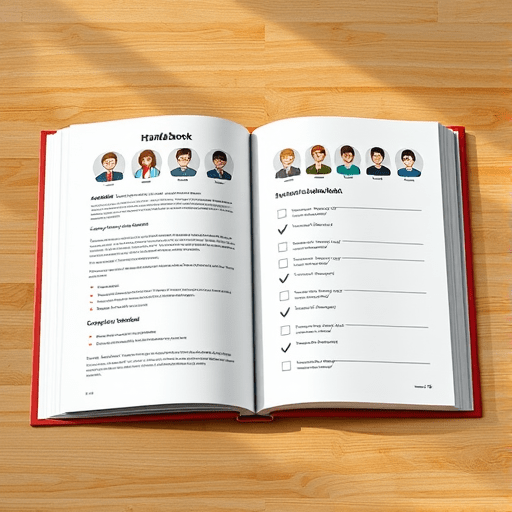
Rotation is not just about the person leaving; it is about the entire cycle of bringing someone in and passing the baton. A living mod handbook should support both sides of that cycle. On the onboarding side, the handbook should include a structured checklist: read the rules, review recent case logs, shadow an experienced moderator for at least two weeks, make a test decision in a sandbox scenario, and only then handle a real report.
On the offboarding side, the handbook should include a simple but crucial ritual: the departing moderator writes a short handoff note. This note should summarize any open edge cases, highlight rules that are being debated, and flag any long-time users who might need extra care. That note is appended to the handbook and serves as a starting point for the incoming moderator. In doing so, rotation stops being a loss of knowledge and becomes a clean handoff of context.
Owning the Handbook as a Team, Not as an Individual
One common mistake when creating a living mod handbook is putting too much responsibility on one person, usually the community manager or the head moderator. If that person leaves or burns out, the handbook becomes stale and the rotation problem returns. To avoid this, the handbook needs a clear ownership model. A small “handbook squad” of three moderators can share the responsibility for keeping it current: one roots out outdated language, one documents new edge cases, and one reviews the changelog for consistency.
This team ownership also helps during rotation. If one of the handbook maintainers is rotating out, they are replaced in the squad before the moderation team is changed. This keeps the knowledge ecosystem healthy even while individual roles evolve.
Measuring Whether Your Rotation Is Healthy
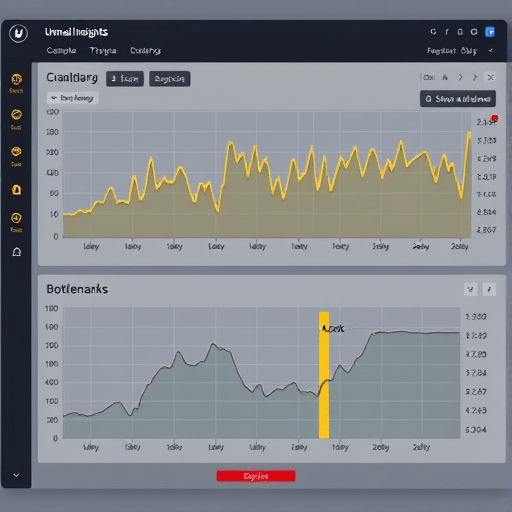
Once the living mod handbook is in place, you should measure whether it is working. A few simple metrics can help. First, track the number of appealed moderation decisions each month. If the rate stays flat or drops during a moderator rotation, your handbook is doing its job. Second, track the amount of time it takes a new moderator to make their first confident, non-escalated decision. A good handbook can reduce this from weeks to days. Third, and perhaps most importantly, run a simple internal survey after each rotation: ask the departing moderator, the incoming moderator, and the rest of the team whether they felt the transition was smooth. If anyone hesitates, the handbook needs work.
Conclusion
Moderator rotation is not a risk to be avoided but a strength to be managed. By using a living mod handbook, you create continuity that outlasts any single individual. The handbook preserves context, documents judgment, stores precedent, and gives every moderator the same foundation, regardless of when they joined. The result is a community where the rules are the same on Tuesday as they were on Monday, where a new moderator can step in without breaking the trust you have built, and where the rules themselves evolve in a thoughtful, transparent way.