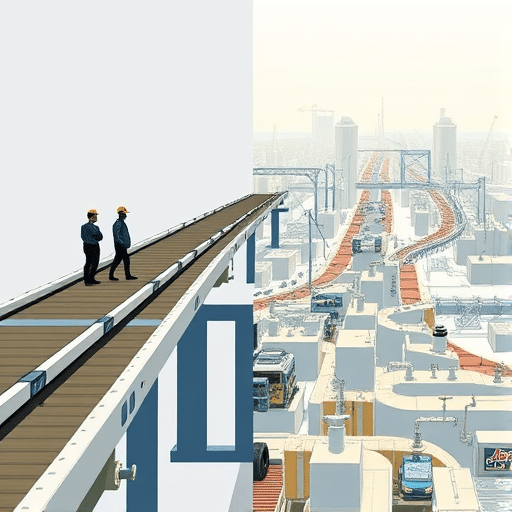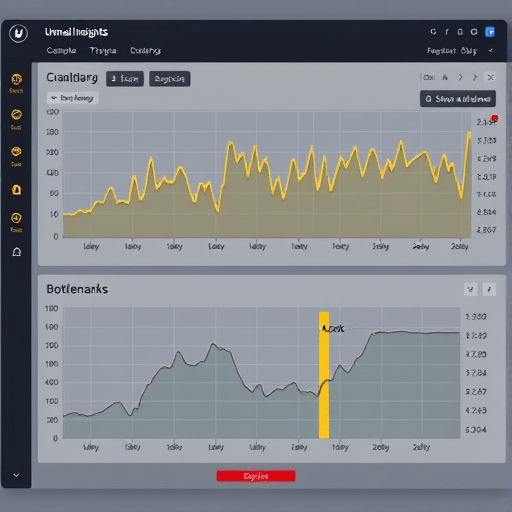
The open-world player is a chaos agent. They ignore the main quest, rob a caravan, climb a mountain, and return to the war council three in-game weeks later wearing a stolen general’s hat. For narrative designers, the challenge isn’t building a bigger map—it’s fixing pacing when players go rogue. The solution isn’t stricter rails; it’s a more responsive world. By combining dynamic world states with layered quest triggers, designers can keep plot tension alive even when the player is nowhere near the plot.
Why Traditional Pacing Collapses in Open Worlds
Classic pacing assumes a linear path: go here, watch scene, trigger next beat. Open worlds disrupt that assumption. The player may interrupt a tense negotiation by throwing a fish at a guard. They may discover the final boss’s fortress forty hours early. They may simply wander off during the emotional turning point of Act Two.
If the story waits for the player, it creates a suspended-until-further-notice feeling. The war that “must be stopped tomorrow” can wait forever. The kidnapped princess stays patiently in her tower. The ticking bomb never goes off. Players notice this. The world starts to feel fake, and the plot loses its ability to create urgency.
To fix this, the narrative must not wait for the player. Instead, it should change around them—while still leaving room for them to influence the outcome. That is where dynamic world states and layered quest triggers come in.
Dynamic World States: Let the Plot Move Without You
A dynamic world state is a persistent, observable change in the game world that happens whether or not the player is present. It is not just a fancier way to say “branching story.” It is the process of letting the world progress on its own internal logic and then asking the player to re-encounter it.
Think of it as a living simulation layer under the narrative. The player’s absence is not a pause button. If the player spends days hunting for collectible mushrooms, the enemy faction continues amassing troops. If the player ignores an ally’s request for help, the ally finds another way—or fails. When the player returns to the main road, the world shows evidence of what happened while they were gone.
This technique rebuilds pacing in two ways. First, it creates natural time pressure without a visible countdown timer. Second, it rewards player curiosity with a deeper sense of a real place. The player no longer feels like the sun around which everything orbits. They feel like an agent inside a system that has its own momentum.
For this to work, designers need to decide which world states are necessary for the plot and which are ambience. The main story should track a small set of meaningful state variables: faction power, character distrust, siege readiness, resource scarcity. When the player re-enters a critical location, those variables are checked and reflected in dialogue, visuals, and available opportunities.
Layered Quest Triggers: Beyond “Wait, Then Next”
Dynamic world states address the larger pulse of the plot, but they need a delivery system that recognizes player behavior in the moment. A layered quest trigger is a condition that activates a story beat based on a combination of context, timing, and player history—not simply a single location or NPC.
Traditional triggers often look like: when the player enters the room, start the cutscene. Layered triggers look like: if the player enters the room, has not spoken to the tavern keeper, and the town has heard about the mountain monster, give them a different version of the scene. Or: if the player is level ten, has the stolen amulet, and the town guard is still alive, allow them to persuade the leader immediately.
This is the “layer” part. Multiple conditions stack on top of each other, forming a filter that chooses the most appropriate version of a scene. The player never sees the branching tree; they just see a world that reacts with surprising nuance.
Layered triggers also solve a subtle pacing problem: the infamous “essential character cannot die” block. If an NPC is reported missing or busy due to the player’s earlier actions, a layered trigger can substitute another character, change the location of the next quest step, or create a new obstacle. The story no longer hits a dead end because the player acted out of order. Instead, those actions become part of the next scene’s conditions.
The “Tension Caravan” Approach: A Practical Example
Consider a mid-game city that is about to be sieged. In a traditional open-world quest, the player would be told to speak to the city’s captain, then a cutscene would show the enemy army arriving. If the player spends weeks doing side quests, the enemy would still be politely waiting just outside the map border.
With dynamic world states, the siege is not an event that waits. It is a process with several visible milestones:
- The enemy sets up camps beyond the river, and refuges begin appearing at the city gates.
- A week later, the foreign embassy is closed, and merchants start selling their carts at low prices.
- If the player has not returned by the third in-game week, the city gate is destroyed and the outer district is occupied.
Now add layered quest triggers. If the player returns before the first milestone, the city captain is confident and gives them a simple scouting task. If they return during the refugee influx, the captain is overwhelmed and asks them to escort supplies. If they return after the gate is destroyed, the city has a new resistance questline in its alleys—and the player may feel a genuine sense of loss at what they missed.
In each case, the core plot progresses. Tension does not deflate because the player is absent; it changes shape. The player is still important, but they are not the only reason things happen.
Keeping Player Agency Intact
A common fear with dynamic systems is that they might feel punishing. If the world changes without the player, players might complain about being “left behind.” The key is to make world changes a form of agency, not a penalty. The player’s choices should influence how the change occurs.
For example, if the player chooses to help a side faction, that faction’s soldiers can appear as a reinforcement later. If the player chooses to ignore them, a different faction moves into the power vacuum. The player is not being punished for going off track—they are simply shaping the conditions that the story reacts to. This works best when the game is explicit about causes and effects, or at least communicates the consequences through environmental storytelling.
Designers should also layer quest triggers so that the narrative never has just one opening. If the player misses the dramatic confrontation at the front gate, they can still witness the aftermath through a broken window, a carved name, or a battle-scarred banner. The plot moves forward, but the emotional beat is still available—just in a different form.
From Reactive to Proactive Narrative
Dynamic world states and layered quest triggers move open-world storytelling from a reactive model (“wait for the player to arrive”) to a proactive model (“the world lives while the player explores”). This shift is especially important for player-driven narratives in 2026, where players expect their choices to have real ripple effects across the entire map.
Pacing in an open world is not about controlling the player’s path. It is about making every interaction with the world—even the skipped, the late, or the unexpected—feel meaningful. Dynamic world states provide the narrative pressure that keeps the plot from stalling. Layered quest triggers ensure that pressure is delivered at the right time, in the right context, and without breaking the player’s sense of freedom.
When players go rogue, they are not breaking the story. They are testing it. The best open-world narratives are built for exactly that test, with a living system that absorbs the chaos, reshapes the plot, and keeps tension in the air until the moment the player decides to care again.