In 2026 the pace of digital therapeutic innovation has accelerated to unprecedented levels, yet the path from FDA clearance to payer reimbursement remains a critical bottleneck. The Fast‑Track FDA Clearance for Digital Therapeutics is now a proven lever to shorten regulatory timelines, but without a parallel reimbursement strategy, the commercial viability of a product can stall. This guide unpacks the 2026 regulatory landscape, evidence requirements, pricing models, and step‑by‑step filing process that will help developers translate a cleared digital therapeutic into a reimbursable solution, ensuring that patients receive timely access while payers recognize true value.
Why Fast‑Track FDA Clearance Matters for Payers
Payers increasingly demand evidence that a digital therapeutic not only meets safety standards but also delivers measurable health outcomes. Fast‑track clearance signals a streamlined regulatory path, often accompanied by a pre‑market review of the evidence package that payers scrutinize. By achieving fast‑track status, developers align their product’s safety profile with payer expectations, facilitating smoother reimbursement negotiations and quicker coverage decisions.
2026 Regulatory Landscape for Digital Therapeutics
Unlike earlier years when the FDA’s Digital Health Software Precertification (Pre‑cert) pathway was nascent, 2026 sees a hybrid approach: Fast‑track clearance for device‑based interventions coupled with a dedicated “Digital Therapeutic Evidence” docket that accepts adaptive, AI‑driven data streams. Payers now recognize the regulatory signal from the Fast‑track docket, but they also insist on post‑market surveillance plans that mirror the dynamic nature of software updates. This evolving framework requires developers to plan for continuous evidence generation alongside the initial clearance.
Building a Robust Evidence Portfolio
Real‑World Evidence (RWE) vs Clinical Trials
While randomized controlled trials (RCTs) remain the gold standard, payers in 2026 are increasingly open to RWE, especially for chronic disease management tools that integrate into everyday life. A hybrid evidence strategy—an RCT to demonstrate efficacy followed by a real‑world registry to capture long‑term outcomes—provides both regulatory confidence and payer reassurance. Importantly, the Fast‑track docket accepts RWE evidence if it meets the FDA’s Proposed RWE Framework and includes robust data quality controls.
AI & Adaptive Algorithms: Transparency and Traceability
AI‑driven therapeutic algorithms can evolve after FDA clearance. To satisfy payer concerns, developers must embed transparency mechanisms such as model cards that document algorithm behavior, version control logs, and bias mitigation strategies. The FDA’s 2026 guidance on Software as a Medical Device (SaMD) Post‑Market Surveillance requires ongoing performance monitoring, which also feeds into payer data dashboards. By providing payers with actionable analytics—effectiveness metrics, adherence rates, and safety signals—developers position their product as a data‑rich, accountable solution.
Pricing & Value Models that Payers Love
Pay‑for‑Outcome (P4O) Contracts
Payers are moving beyond fee‑for‑service models to outcome‑based contracts that reward real improvements in health metrics. For a digital therapeutic, this could mean a tiered pricing model: an upfront fee for deployment plus a variable component tied to metrics such as HbA1c reduction, blood pressure control, or patient-reported quality of life. The Fast‑track docket’s emphasis on measurable endpoints aligns perfectly with P4O structures, allowing developers to negotiate performance thresholds early.
Bundled Payments with Digital Support
Bundled payment programs that combine hospital stays, outpatient visits, and post‑discharge care are increasingly incorporating digital therapeutics as part of the continuum. By demonstrating that a therapeutic reduces readmission rates or accelerates functional recovery, developers can argue for inclusion in bundled payment adjustments. Fast‑track clearance reduces the time to market, giving payers a competitive edge in securing better reimbursement rates for integrated care bundles.
Navigating the Reimbursement Filing Process
CMS Coverage and Payment (CPC and RTW)
The Centers for Medicare & Medicaid Services (CMS) now uses the Digital Health Technology Coverage Advisory Group (DHT‑CAG) to evaluate digital therapeutics for inclusion in the Coverage with Evidence Development (CED) framework. Fast‑track clearance provides a pre‑reviewed evidence package that can be submitted to the CED stream, accelerating the decision timeline. Developers should also target the Revenue Code 9960 for non‑invasive device coverage and ensure that the digital therapeutic meets the Clinical Benefit Category (CBC) criteria.
Commercial Payers: HMO & PBM Pathways
Commercial payers increasingly use proprietary value frameworks that weigh cost‑effectiveness, patient adherence, and provider satisfaction. Fast‑track clearance serves as a baseline evidence indicator, allowing developers to tailor their dossiers to each payer’s proprietary algorithm. Early engagement with pharmacy benefit managers (PBMs) to understand formulary placement is critical; a Fast‑track clearance can unlock priority review in the PBM’s formulary review cycle.
International Reimbursement – e.g., Medicare Advantage, BCBS
Outside the United States, payer ecosystems such as Medicare Advantage plans and Blue Cross Blue Shield (BCBS) networks are adopting global value assessment (GVA) models that require a robust evidence bundle. Fast‑track clearance can be leveraged to demonstrate regulatory alignment, while local post‑market studies satisfy GVA thresholds. Developers should prepare region‑specific dossiers that incorporate both FDA clearance and localized real‑world data.
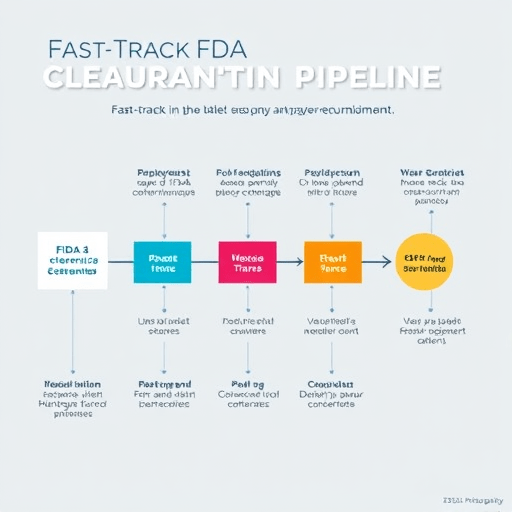
Accelerating Approval to Reimbursement: A Step‑by‑Step Timeline
Pre‑FDA Submission: Market Research & Payer Engagement
Begin with a market sizing exercise and identify target payers. Conduct a Payer Readiness Assessment to understand each payer’s evidence requirements, preferred pricing models, and contract templates. Simultaneously develop a Digital Therapeutic Roadmap that maps the Fast‑track clearance path, evidence collection, and reimbursement milestones.
FDA Clearance: Fast‑Track Process & Documentation
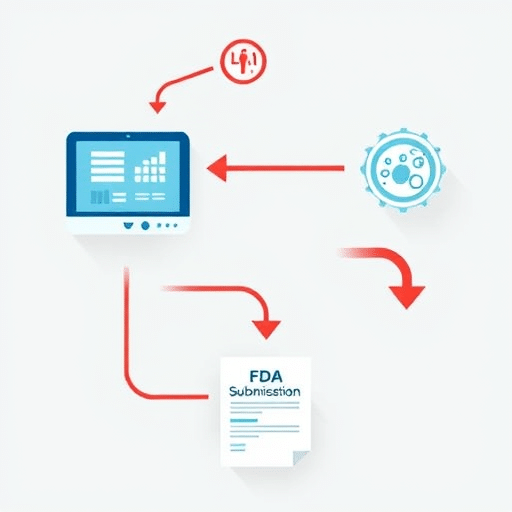
Submit a Fast‑Track Clearance Application that includes the clinical study protocol, AI model documentation, and a post‑market surveillance plan. The FDA’s digital docket allows electronic submission, and the review cycle typically takes 45–60 days. Maintain continuous communication with the FDA through the Fast‑Track Advisory Committee to address any data gaps.
Post‑Approval Data Capture & Registry Creation
Immediately after clearance, launch a patient registry that captures real‑world usage, adherence, and outcome metrics. Integrate the registry with a secure cloud platform to allow automated data extraction for payer dashboards. Ensure compliance with HIPAA and GDPR for cross‑border deployments.
Reimbursement Claim Filing & Audit Readiness
Prepare claim templates that reflect the chosen payment model—either P4O or bundled payment. Submit the claims to CMS under the appropriate revenue code and to commercial payers via the identified PBM. Implement an audit readiness program that documents data lineage, algorithm versioning, and patient consent processes.
Common Pitfalls and How to Avoid Them
- Insufficient Data Transparency: Payers demand detailed algorithm documentation. Use model cards and version logs to prove traceability.
- Delayed Post‑Market Data: Without continuous evidence, payers may refuse coverage. Establish automated data pipelines from the outset.
- Ignoring Payer Contract Preferences: Some payers favor fixed‑price contracts over outcome‑based models. Diversify pricing strategies early.
- Overlooking International Requirements: Global payers require localized evidence. Plan for regional registries alongside the U.S. dossier.
Case Study: A 2026 Success Story
MindHealth, a start‑up developing an AI‑driven sleep‑disorder therapeutic, leveraged the Fast‑track docket in early 2025. By aligning their RCT with the FDA’s 2026 RWE framework and embedding a transparent model card, they secured clearance in 90 days. Within six months, CMS covered the product under the CED program, and major HMO networks signed P4O contracts that tied reimbursement to average sleep‑duration improvement. The post‑market registry collected real‑world adherence data, allowing MindHealth to adjust its algorithm in real time and maintain payer confidence.
MindHealth’s experience illustrates how a synchronized Fast‑track clearance, robust evidence portfolio, and tailored reimbursement strategy can transform a digital therapeutic from a cleared device into a reimbursable, high‑impact solution for patients worldwide.
By following this structured roadmap—starting with early payer engagement, pursuing Fast‑track clearance, building a transparent evidence base, and selecting value‑aligned payment models—developers can bridge the regulatory-reimbursement gap that has historically slowed digital therapeutic adoption. In 2026, the convergence of fast‑track FDA clearance and payer innovation offers a clear path to market success for those who act strategically.