Fast‑scaling startups often face a paradox: rapid growth brings new talents and opportunities, but also an uptick in interpersonal friction. In 2026, AI‑Based Conflict Resolution for Fast‑Scaling Startups has become the industry standard for staying aligned without micromanaging. This guide walks you through a step‑by‑step approach to integrating automated conflict detection and mediation tools into your workflow, ensuring that your team’s energy stays on product innovation rather than endless meetings.
1. Recognizing the Unique Conflict Landscape of Rapid Growth
Unlike established enterprises, fast‑scaling startups experience conflict that is often unplanned, cross‑functional, and fueled by evolving roles. New hires quickly fill gaps, yet role clarity can lag, leading to overlapping responsibilities and misaligned expectations. Recognizing that conflict in a startup context is less about hierarchy and more about dynamic processes is the first step toward leveraging AI to intervene before issues spiral.
2. Setting Up an AI Conflict Detection Framework
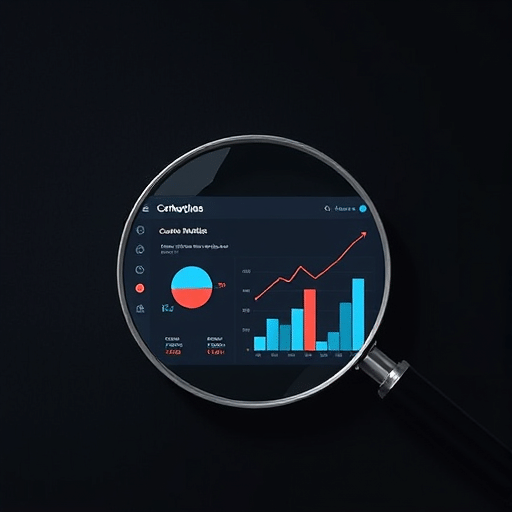
AI conflict detection starts with data ingestion. Most modern tools tap into communication channels—Slack, Microsoft Teams, email, and even code‑review comments—to flag linguistic patterns indicative of tension. Key signals include increased negation, high sentiment variance, or sudden spikes in message frequency. Implement a lightweight monitoring layer that aggregates these signals into a real‑time dashboard, where you can see a heatmap of potential hotspots across teams.
Choosing the Right Sensors
- Chat sentiment analyzers – scan for negative polarity spikes.
- Contextual keyword filters – detect power‑language or exclusionary phrasing.
- Interaction velocity metrics – sudden message bursts may signal conflict.
- Cross‑team flowcharts – map overlapping responsibilities and flag overlaps.
3. Building an Automated Mediation Workflow
Detection is only the first half of the equation. Once a potential conflict is flagged, the AI must triage and mediate. A typical automated workflow involves: 1) notifying relevant stakeholders via a concise alert, 2) proposing neutral, data‑driven talking points, and 3) scheduling a short, structured mediation session with a guided agenda. The AI can even suggest mediation techniques—such as the “Interest‑Based Negotiation” model—tailored to the specific roles involved.
Embedding Human Oversight
While AI can draft messages and suggest steps, human judgment remains essential for sensitive contexts. Design the workflow so that every alert triggers a brief, optional check‑in by a senior manager or a dedicated conflict resolution champion. This hybrid approach keeps the system efficient while ensuring empathy and nuance aren’t lost.
4. Integrating Conflict Resolution into Daily Stand‑Ups
In fast‑scaling teams, stand‑ups are the pulse of progress. Leverage AI to surface conflict alerts during these brief gatherings. An “AI‑generated Conflict Snapshot” can appear as a slide, summarizing the top three concerns and offering quick remediation actions. Because the snapshot is data‑driven, it’s far less likely to be perceived as micromanagement and more likely to be accepted as a useful check‑in.
5. Personalizing Conflict Scales for Different Team Roles
Not all roles experience conflict the same way. Engineers may flag technical scope creep, while product managers worry about prioritization, and sales teams focus on resource allocation. Build role‑specific conflict scales—configurable thresholds and alerts—that reflect each group’s pain points. This customization reduces false positives and ensures the AI speaks the language of each stakeholder.
6. Leveraging AI‑Generated Coaching Resources
Beyond immediate conflict resolution, AI can curate micro‑learning modules that address recurring friction points. For instance, if the data shows repeated disputes over deadline expectations, the system can automatically push a short video on setting realistic timelines. Over time, these resources build a culture of proactive conflict management, reducing the need for reactive mediation.
7. Measuring Impact: Key Performance Indicators
To justify the investment, track KPIs such as: Conflict Resolution Time (average days from detection to resolution), Team Satisfaction Scores (post‑conflict surveys), Attrition Rate (post‑implementation vs. pre‑implementation), and Product Velocity (release frequency). A positive trend across these metrics indicates that the AI tool is not only identifying issues but also contributing to a healthier work environment.
8. Addressing Privacy and Trust Concerns
AI that scans communications can raise legitimate privacy worries. Adopt a policy that limits data retention, anonymizes non‑essential content, and only flags actionable insights. Transparency is key: hold a kickoff session explaining what data is used, why, and how it benefits all team members. When employees see tangible benefits—fewer escalations, faster issue resolution—their trust in the system will grow.
9. Future‑Proofing Your Conflict Resolution Engine
2026 is only the beginning. As startups evolve, so will their conflict dynamics. Plan for continuous learning: feed the AI with outcomes of past mediations, adjust sentiment thresholds, and periodically audit the system for bias. By embedding a feedback loop, your conflict resolution engine will adapt to new communication styles, emerging roles, and shifting company values.
10. Quick Implementation Checklist
- Audit existing communication channels and identify data sources.
- Configure sentiment and keyword detectors with role‑specific thresholds.
- Set up a real‑time dashboard and alert system.
- Draft mediation templates and integrate scheduling bots.
- Establish a conflict resolution champion for human oversight.
- Run a pilot with one functional team and iterate.
- Roll out company‑wide, monitor KPIs, and refine.
Conclusion
In 2026, the smartest fast‑scaling startups are turning to AI‑Based Conflict Resolution for Fast‑Scaling Startups as a strategic enabler rather than a luxury. By embedding automated detection, personalized mediation, and continuous learning into daily workflows, leaders can keep teams aligned and product momentum unimpeded. The result is a culture where conflict is spotted early, addressed transparently, and resolved efficiently—freeing creativity and focus for the next breakthrough.