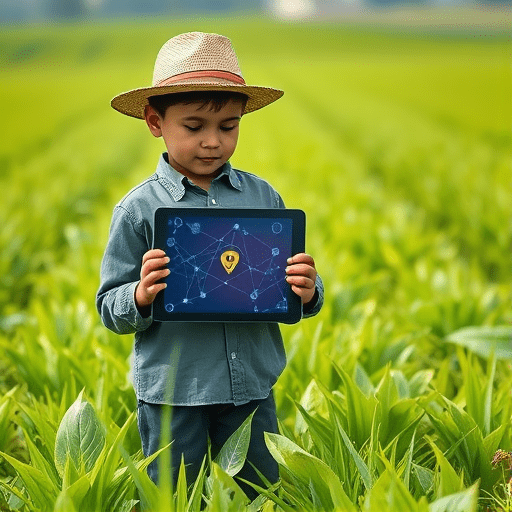
Implement blockchain traceability for small farms has become a critical strategy for growers looking to meet stricter regulatory standards, satisfy consumer demand for transparency, and reduce audit expenses. By embedding immutable records into every stage of the farm’s supply chain, small producers can safeguard their reputation, unlock new market opportunities, and stay ahead of evolving compliance requirements.
Why Small Farms Need Blockchain Traceability Today
Regulatory Pressures
In 2026, the European Union’s Farm to Fork strategy and the United States’ Food Safety Modernization Act require detailed documentation for every batch of produce. Traditional paper logs are no longer sufficient, and non‑compliance can result in costly recalls or product bans.
Consumer Demand for Transparency
Modern consumers are willing to pay premium prices for products that can be traced back to their source. A study by Nielsen in 2025 found that 62% of shoppers in the United States would switch to a brand that could prove its sustainability chain of custody.
Operational Efficiency
Blockchain reduces manual data entry, eliminates duplicate records, and provides real‑time visibility. This allows farmers to spot bottlenecks, minimize waste, and improve forecasting accuracy.
Step‑by‑Step Blueprint for Adoption
Step 1: Define Your Traceability Objectives
Start by asking: what outcomes do I want? Common goals include:
- Comply with national safety standards
- Provide consumers with origin proofs
- Streamline audit processes
Step 2: Map the Farm’s Supply Chain
Create a visual flowchart from seed to sale. Identify key stakeholders—farmers, processors, transporters, retailers—and the data points each needs to record: temperature, humidity, pesticide usage, harvest date, etc.
Step 3: Choose the Right Blockchain Platform
Decide between public (e.g., Ethereum, Polygon) and private (e.g., Hyperledger Fabric) networks. Consider factors such as transaction costs, scalability, and the level of data privacy required.
Step 4: Build or Integrate Digital Sensors and Data Entry
IoT devices can automatically feed data into the blockchain. For budget‑conscious farms, low‑cost sensors for soil moisture, GPS trackers for trucks, and QR‑coded harvest logs can be sufficient. If sensor integration is out of reach, manual data entry via mobile apps that write to the blockchain can be a viable alternative.
Step 5: Set Up Smart Contracts for Automated Compliance
Smart contracts enforce business rules. For example, a contract can trigger a “verified” status only if temperature readings stay within a safe range during transport. They also automate the issuance of digital certificates that can be shared with regulators or customers.
Step 6: Train Staff and Pilot the System
Conduct hands‑on training sessions focused on data integrity and the use of the blockchain portal. Pilot the system on a single crop or product line before scaling to the entire operation.
Step 7: Launch, Monitor, and Optimize
Once live, use analytics dashboards to track key performance indicators such as audit cycle time, data accuracy, and consumer engagement. Continually refine smart contract logic and sensor placement based on feedback.
Cost‑Effective Strategies for Budget‑Conscious Farmers
- Leverage Open Source Platforms: Hyperledger Fabric and Ethereum’s Goerli testnet reduce licensing fees.
- Share Infrastructure: Collaborate with nearby farms to host a shared blockchain node, cutting hardware and maintenance costs.
- Tap Government Grants: Many national agriculture ministries offer subsidies for technology upgrades that improve traceability.
- Utilize Community Partnerships: Partner with local universities or ag‑tech startups for free or discounted sensor solutions.
Real‑World Success Stories from 2025‑2026
Sunnybrook Dairy, Iowa
By integrating blockchain into its milking and shipping processes, Sunnybrook reduced audit expenses by 35% and secured a contract with a major grocery chain that required blockchain‑verified dairy products.
Vero Farm, Tuscany
The family‑owned olive oil producer uses QR codes linked to a private blockchain. Each bottle’s provenance is instantly verifiable, boosting export sales to the EU and eliminating counterfeit risk.
Green Horizon, Australia
After adopting a low‑cost IoT sensor network that feeds directly into a Hyperledger Fabric network, Green Horizon cut spoilage by 12% and gained eligibility for a carbon credit program that rewards traceable sustainability.
Common Pitfalls and How to Avoid Them
- Data Silos: Ensure all stakeholders input data into the same blockchain; otherwise, you create disconnected records.
- Lack of Standardization: Adopt industry standards such as the Global Food Safety Initiative (GFSI) for labeling and data formats.
- Scaling Issues: Test the chosen platform under peak transaction loads; upgrade to a higher‑throughput chain if necessary.
- Overengineering: Start with core compliance data; add advanced analytics later to avoid unnecessary complexity.
How to Leverage Blockchain Data for Audits and Market Access
- Digital Certificates: Smart contracts can auto‑generate certificates that auditors can verify instantly.
- Third‑Party Verification: Open APIs allow certification bodies to pull traceability data without compromising farm privacy.
- Consumer Apps: QR codes on packaging link directly to the blockchain, letting shoppers confirm authenticity and environmental claims.
Future Outlook: 2026 and Beyond
Blockchain traceability is not a static solution. In 2026, we anticipate the following developments:
- AI‑Driven Predictive Analytics: Combining sensor data with machine learning to forecast pest outbreaks and supply chain disruptions.
- Cross‑Border Integration: Standardized protocols will enable seamless data exchange between EU, US, and Asian markets.
- Carbon Footprint Accounting: Immutable records will help quantify and offset agricultural greenhouse gas emissions.
- Tokenized Incentives: Farmers may receive tokens for sustainably sourced produce, redeemable in local markets.
By following this practical, step‑by‑step guide, small farms can implement blockchain traceability in a cost‑effective manner, meet regulatory demands, and unlock new avenues for growth. The time to act is now—embrace blockchain today and secure a resilient, transparent future for your farm.