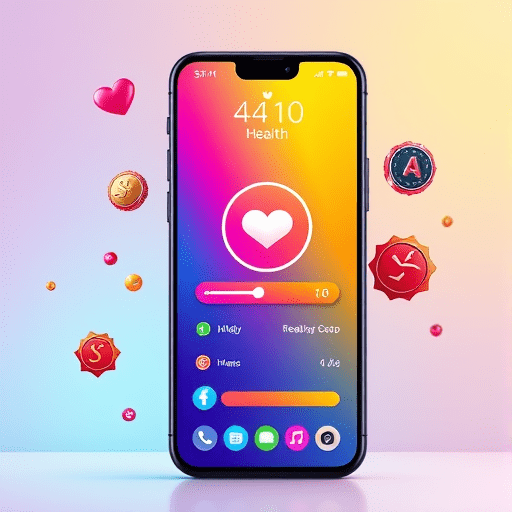
In the crowded health‑tech marketplace, gamified onboarding for health apps is no longer a novelty—it’s a proven strategy for turning first‑time users into long‑term advocates. By turning routine tasks into rewards, challenges, and social experiences, you can make healthy habits feel like a game, increasing motivation and sticking power. This guide walks you through the essential stages of designing an onboarding flow that feels playful, purposeful, and personally tailored, ensuring users keep coming back for more.
1. Understand Your User and Their Health Goals
Before you sprinkle points and badges, you need to map who you’re speaking to and what they’re hoping to achieve. This user‑centric foundation will keep the game mechanics relevant and meaningful.
Identify Core Behaviors
- Conduct short surveys or interviews to surface the most common health objectives (e.g., “Lose 5 kg in 3 months,” “Track daily water intake,” “Run a 5k”).
- Cluster users by priority—some care about exercise, others about nutrition, and a few about mindfulness.
- Define “high‑value actions” that align with both user goals and your app’s health outcomes.
Map the User Journey
Sketch a flow diagram that shows the path from “download” to “first milestone” and beyond. Highlight decision points where the user could drop out, and think about ways to soften those friction points with engaging cues.
2. Choose the Right Gamification Elements
Gamification isn’t a one‑size‑fits‑all toolbox. The best apps combine several mechanics, each serving a distinct psychological trigger—mastery, social connection, progress, or fun.
Points & Badges
- Points reward small, frequent completions, giving instant dopamine hits.
- Badges celebrate milestones (e.g., “First 10 workouts” or “7‑day hydration streak”).
- Use tiered badges to encourage continued effort.
Challenges & Quests
Frame health tasks as quests with a clear objective, reward, and time limit. For example, “Complete 30 minutes of cardio this week and unlock the “Cardio Champion” badge.” Quests introduce urgency and a sense of narrative.
Social Sharing & Community
- Enable sharing of achievements on social platforms or within a private app community.
- Introduce friendly competitions—leaderboards for steps or a “Friend Challenge” to meet daily goals together.
- Social proof boosts accountability; users are more likely to return if they see friends engaging.
3. Design a Personalized, Adaptive Onboarding Flow
Personalization reduces overwhelm and maximizes relevance. A well‑crafted flow guides the user through a series of micro‑goals that build confidence.
Quick Wins & Micro‑Goals
Start with a short, low‑bar task—e.g., “Log your first meal” or “Complete a 2‑minute breathing exercise.” These quick wins create positive feedback loops and establish a sense of accomplishment.
Adaptive Difficulty & Feedback Loops
- Use simple logic (or machine learning) to adjust task difficulty based on user performance.
- Offer real‑time feedback (“Great job! You’re 70% of the way to your weekly goal.”)
- Introduce new challenges only after the user has mastered earlier ones.
AI‑Powered Personalization
Leverage AI to recommend content, suggest optimal times for activity, or predict when a user might need a boost. This level of adaptation can significantly improve retention.
4. Craft Engaging Storytelling & Narrative
People remember stories more than facts. Embed a light narrative that frames the user’s health journey as an adventure.
Character & Avatar
- Let users create or choose an avatar that evolves with their progress.
- Avatars can “level up” as users hit milestones, adding a visual representation of growth.
Progress Bars & Milestones
Visible progress bars turn abstract goals into tangible targets. Color‑coded segments or milestone markers help users see how far they’ve come and how much remains.
5. Integrate Seamless Data Tracking & Analytics
Data is the backbone of a successful gamified onboarding experience. It informs both the user experience and your continuous improvement cycle.
Key Metrics
- Time to first milestone.
- Retention at 7, 30, and 90 days.
- Engagement with gamified features (points earned, challenges completed).
- Net Promoter Score (NPS) related to game mechanics.
A/B Testing
Run controlled experiments on different reward structures, notification cadences, or narrative styles. Use the insights to refine your onboarding for maximum impact.
6. Test, Iterate, and Optimize
Even the best design plans need validation. A rigorous testing cycle ensures your onboarding feels intuitive and rewarding.
Usability Testing
- Observe new users as they complete the onboarding flow.
- Gather qualitative feedback on what feels fun versus confusing.
- Use eye‑tracking or heat maps to identify visual friction.
Community Feedback
Launch a beta version to a small, engaged group. Encourage them to share screenshots of achievements and discuss how the game feels. Their anecdotes can surface insights that quantitative data may miss.
7. Maintain Long‑Term Engagement
Gamification is most effective when it continues to evolve. Keep the experience fresh with dynamic content and timely nudges.
Push Notifications & Reminders
- Send contextual reminders tied to user goals (“You’re 3 days away from your 5k milestone!”).
- Use celebratory messages after a streak is broken, turning setbacks into opportunities.
Seasonal Events & Updates
Introduce time‑limited events—like a “New Year, New You” challenge or a holiday-themed fitness quest—to spark renewed interest. Update reward tiers regularly so users stay curious.
By weaving together a deep understanding of your users, thoughtful gamification mechanics, adaptive personalization, and data‑driven refinement, you can craft an onboarding experience that feels less like a tutorial and more like the beginning of a compelling adventure. The result? Users who not only start using your health app but keep returning, turning healthy habits into sustainable, enjoyable behaviors.