In 2026, the competitive first-person shooter (FPS) landscape has evolved beyond traditional tournament prizes. Players and fans now expect more than just televised matches; they crave exclusive content, real-time interaction, and a sense of belonging. The most scalable way to satisfy these desires—and to turn community engagement into a sustainable revenue stream—is through a well‑structured Discord tier system. By aligning tier benefits with player skill levels, content creation, and community roles, esports organizations can generate recurring income while deepening fan loyalty.
Why Discord Is the Ideal Platform for FPS Monetization
Discord’s architecture offers several advantages that make it uniquely suited for FPS communities:
- Instant Communication: Voice, text, and video channels allow fans to participate in live commentary and post‑match analysis.
- Modular Role Management: Custom roles can reflect a player’s rank, community involvement, or subscription status.
- Low Barrier to Entry: Most gamers already have Discord accounts, eliminating onboarding friction.
- Monetization Tools: Built‑in server boosts, Nitro, and integrations with third‑party payment processors simplify subscription workflows.
- Event Scheduling and Alerts: Bots can automatically notify members of upcoming matches, stream times, and content drops.
Because the platform is already embedded in the gaming ecosystem, a Discord tier strategy feels natural to the audience and can be launched rapidly compared to building a proprietary app.
Designing a Tier Structure That Mirrors the FPS Ecosystem
A successful tier strategy starts with mapping community roles to tier levels. In a competitive FPS community, roles typically fall into three categories: Competitive Players, Content Creators, and Supporters. Each category can have a distinct tier path that rewards engagement and incentivizes progression.
1. Competitive Player Tiers
Players often value recognition, access to training resources, and direct interaction with coaching staff. A tier progression that mirrors the competitive ladder—such as Bronze, Silver, Gold, Platinum, and Diamond—provides a tangible path for growth.
- Bronze & Silver: Basic access to community voice channels and public match replays.
- Gold: Weekly live coaching sessions, priority tournament registration, and exclusive in‑game skins.
- Platinum & Diamond: Dedicated coaching hours, access to private practice servers, and the ability to host fan‑driven tournaments.
2. Content Creator Tiers
Players who produce streams, tutorials, or analysis videos can monetize their content through audience support. Tiers for creators focus on exposure, collaboration, and technical tools.
- Creator Level 1: Public shout‑outs on social media and a banner on the community website.
- Creator Level 2: Exclusive interview slots, co‑branded streaming overlays, and access to a private Discord channel for networking.
- Creator Level 3: Revenue share from community‑sponsored streams, branded merchandise, and priority access to high‑profile tournament streams.
3. Supporter Tiers
Fans who wish to support the community without actively playing still find value in exclusive perks. Tier levels here emphasize community involvement and brand loyalty.
- Fan Bronze: Access to member‑only Discord channels and a monthly community newsletter.
- Fan Silver: Early access to match schedules, exclusive behind‑the‑scenes photos, and a personalized thank‑you video.
- Fan Gold: Meet‑and‑greet opportunities with players, limited‑edition in‑game cosmetics, and a personal shout‑out during live streams.
By aligning tiers with familiar FPS progressions, the community perceives each level as a natural reward rather than a transactional barrier.
Integrating Payment and Engagement Metrics
Once the tier structure is defined, the next step is technical implementation. Discord’s role management API and bot integration allow for automated role assignment based on subscription status. Payment processors such as Stripe, PayPal, or even crypto wallets can be linked via third‑party services like Patreon or Ko-fi, feeding back to the Discord bot for role updates.
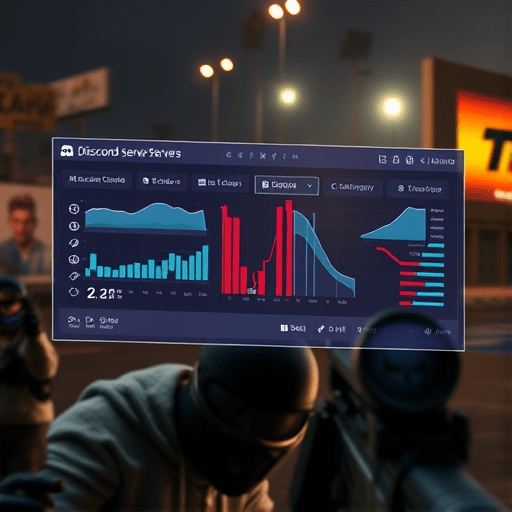
Key metrics to track include:
- Subscription Lifetime Value (LTV): Average revenue per subscriber over time.
- Churn Rate: Percentage of subscribers who cancel each month.
- Engagement Index: Combined measure of message activity, voice channel presence, and content consumption per tier.
- Referral Effectiveness: Growth of new subscribers attributed to referral links or tiered incentives.
These data points help refine tier benefits, pricing, and marketing strategies, ensuring that the Discord community remains financially viable and culturally vibrant.
Case Study: The 2026 “Shadow Strike” Community
In 2025, the Shadow Strike FPS community launched a Discord tier strategy that quickly became a model for monetization in the genre. The community introduced a “Champion’s Path” tiering system mirroring the game’s rank progression, with each level unlocking additional training content, in‑game items, and exclusive community events.
Results over 18 months:
- Revenue Increase: Subscriptions grew from 1,200 to 7,500 active members, yielding a 450% increase in monthly recurring revenue.
- Community Growth: Discord server membership surged to 15,000, with active participation in tier‑specific channels exceeding 60% of total members.
- Player Development: Teams that achieved Platinum and Diamond tiers reported a 15% improvement in win rates, correlating with increased coaching hours and practice server access.
Shadow Strike’s success hinged on transparent tier benefits, a clear progression path, and constant feedback loops via community polls and analytics dashboards.
Best Practices for Launching Your Discord Tier Strategy
- Start with a Survey: Understand what your community values most—exclusive skins, coaching, or early access to streams—and structure tiers accordingly.
- Set Clear Pricing Tiers: Keep the price points tiered in a way that reflects perceived value, avoiding both price skimming and undercutting.
- Automate Role Assignment: Use bots to assign roles instantly upon payment confirmation, reducing friction and support tickets.
- Offer Tier‑Specific Content: Create high‑value assets such as custom emotes, channel-only tournaments, or behind‑the‑scenes videos.
- Iterate Based on Data: Use engagement and churn metrics to adjust perks, refine pricing, and eliminate underperforming tiers.
- Communicate Clearly: Publish a detailed FAQ and roadmap that explains benefits, renewal policies, and how to upgrade or downgrade.
By following these practices, FPS communities can launch a sustainable revenue model that also enhances player and fan experience.
Future Outlook: AI‑Driven Tier Personalization
As AI technology matures, Discord communities can offer hyper‑personalized tier experiences. For example, a chatbot could analyze a player’s recent match data to recommend a tailored coaching package, automatically assigning them to a higher tier upon completion of a skill milestone. AI can also curate content feeds, ensuring that each subscriber receives the most relevant tutorials, streams, or community news.
Such dynamic tiering will blur the lines between static subscription levels and real‑time progression, creating a more engaging and revenue‑efficient ecosystem for FPS esports.
By strategically leveraging Discord’s tier system, competitive FPS communities can convert passion into profit without compromising the authenticity that drives fan engagement. The result is a self‑sustaining ecosystem where players, creators, and supporters all benefit from a structured, rewarding community experience.