AI‑Driven Coaching Platforms: The New Engine of the Esports Talent Pipeline 2.0
The world of esports is in the midst of a seismic shift, driven by AI‑driven coaching platforms that are redefining how talent is discovered, developed, and showcased. These intelligent systems no longer serve as mere data crunchers; they act as personal coaches, scouts, and career advisors, accelerating the growth of players and teams while democratizing access to high‑level training. In this article, we explore how this technology is reshaping the esports talent pipeline, what it means for aspiring professionals, and the future of competitive gaming.
1. Understanding the Esports Talent Pipeline 2.0
The traditional talent pipeline involved a linear path: players hone skills in local tournaments, get noticed by community leaders, and then advance to regional or national competitions. While effective, this model was limited by geographic constraints, limited scouting resources, and uneven coaching quality. Esports Talent Pipeline 2.0 introduces a more fluid, data‑driven ecosystem that connects players with coaches, teams, and sponsors around the clock. AI‑driven platforms sit at the core of this system, turning raw performance metrics into actionable insights.
Key Pillars of the New Pipeline
- Scouting 24/7: Automated video analysis and skill profiling identify potential stars before they hit the mainstream scene.
- Personalized Coaching: AI tutors create dynamic training plans tailored to individual strengths and weaknesses.
- Career Mapping: Data models forecast optimal team placements, sponsorship opportunities, and long‑term career trajectories.
2. How AI‑Driven Coaching Platforms Work
At the heart of these platforms is a fusion of machine learning, computer vision, and natural language processing. Here’s a breakdown of the core components:
Video and Gameplay Analysis
Players upload replays, which the system processes through convolutional neural networks (CNNs) to extract key metrics such as reaction time, positioning, and decision latency. By comparing these metrics against league benchmarks, the platform quantifies performance gaps with unprecedented precision.
Dynamic Skill Profiling
Using clustering algorithms, the AI groups players into skill brackets and identifies dominant playstyles. This profiling informs both scouting committees and individual coaches, ensuring that feedback is specific and actionable.
Adaptive Training Regimens
Reinforcement learning models suggest drills that maximize improvement in targeted areas. For example, a player struggling with map awareness receives a series of micro‑tasks that focus on spatial cognition, with the system adjusting difficulty based on real‑time performance.
3. Reshaping Scouting in Esports
Scouts traditionally rely on tournament exposure and personal networks to spot talent. AI platforms invert this dynamic by providing continuous, objective scouting feeds:
- Global Visibility: Players from remote regions can be evaluated by the same data set as those in major cities.
- Bias Reduction: Algorithms evaluate performance metrics free from human biases such as nationality or team affiliation.
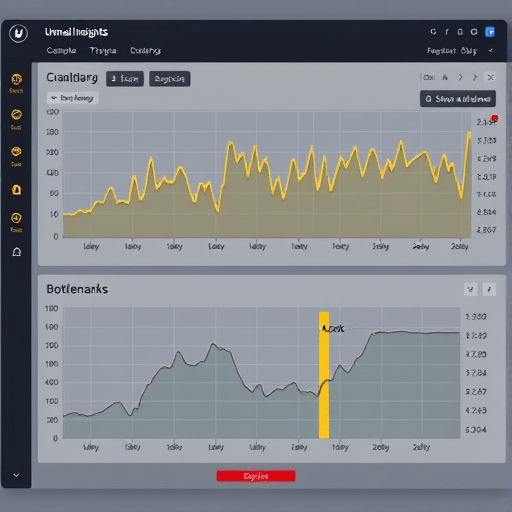
- Talent Heatmaps: Real‑time dashboards highlight emerging players based on skill progression, enabling scouts to act faster than conventional pipelines.
As a result, teams can build rosters that are not just geographically diverse but also strategically balanced, maximizing competitive advantage.
4. Revolutionizing Training Practices
Training in esports has evolved from generic “practice for practice’s sake” to focused, data‑driven skill enhancement. AI‑driven platforms offer:
- Micro‑learning Modules: Short, targeted exercises that address specific weaknesses identified by the platform.
- Performance Feedback Loops: Immediate analytics after each session, allowing players to see tangible progress.
- Team Synergy Analysis: AI evaluates how players complement each other’s playstyles, guiding team composition decisions.
For example, a mid‑laner who struggles with objective control will receive a tailored routine that focuses on objective timing and positioning, dramatically reducing the learning curve compared to generic practice sessions.
5. Impact on Player Careers
Beyond performance improvement, AI coaching platforms influence every stage of a player’s career trajectory:
Career Pathway Mapping
By simulating various career scenarios—such as joining a mid-tier team versus a top-tier academy—the platform advises players on the most promising routes based on skill metrics, market demand, and long‑term growth prospects.
Contract Negotiation Aid
Data dashboards showcasing a player’s impact on win rates, audience engagement, and marketability give them a stronger bargaining position during contract talks.
Financial Literacy & Brand Building
Some platforms incorporate financial modeling tools, helping players understand sponsorship valuations, prize money distribution, and long‑term earnings potential.
Consequently, players transition from purely athletic performers to well‑rounded professionals equipped with strategic career tools.
6. Challenges & Ethical Considerations
While AI coaching brings immense benefits, it also raises several concerns:
Data Privacy
Collecting extensive gameplay data can infringe on personal privacy. Platforms must ensure transparent data usage policies and secure storage.
Algorithmic Bias
Even sophisticated models can inherit biases from training data, potentially disadvantaging certain playstyles or regions.
Human Oversight
AI should augment, not replace, human coaches. Maintaining a balance ensures that emotional intelligence and contextual judgment remain integral to player development.
7. The Future Outlook
Looking ahead, the integration of AI in esports will likely deepen in the following ways:
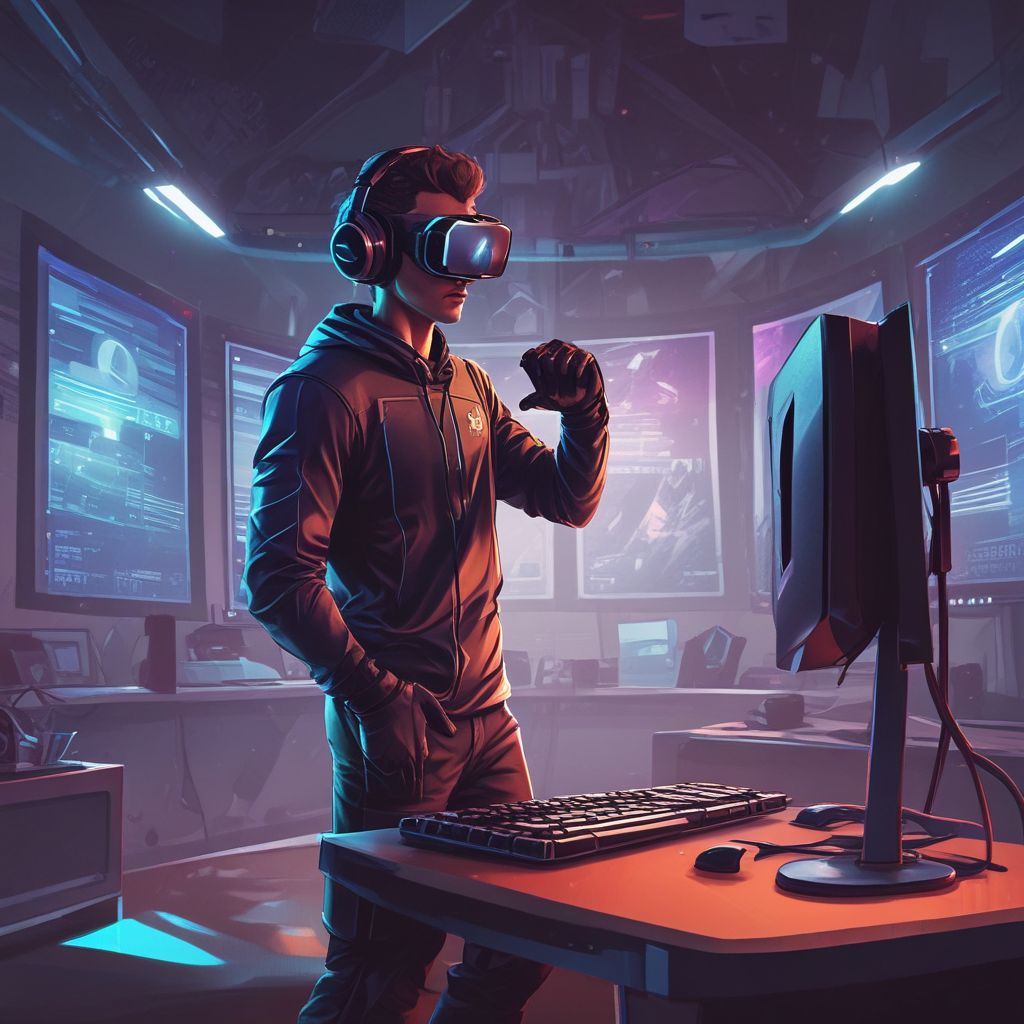
- Virtual Reality Coaching: Immersive VR environments will allow players to rehearse scenarios with realistic haptic feedback.
- Cross‑Game Talent Identification: AI will detect transferable skills across different titles, broadening scouting horizons.
- Real‑Time Adaptive Coaching: During live matches, AI will provide instant tactical suggestions, blurring the line between coaching and in‑game strategy.
- Community‑Driven Platforms: Decentralized AI models will empower players worldwide to co‑create training content, fostering a more inclusive ecosystem.
These developments promise a more fluid, transparent, and opportunity‑rich esports landscape where talent can flourish regardless of origin.
8. Key Takeaways
• AI‑driven coaching platforms are the backbone of the evolving esports talent pipeline.
• They democratize scouting, provide personalized training, and map clear career paths.
• Challenges such as data privacy and algorithmic bias must be managed with robust oversight.
• The future will see even more immersive, cross‑genre, and community‑centric AI solutions.
In short, the synergy between artificial intelligence and esports coaching is creating a talent ecosystem that is faster, smarter, and more inclusive than ever before. Players, coaches, and teams that embrace these tools will not only stay competitive but also shape the future of the industry.
Ready to leverage AI-driven coaching for your esports journey? Explore the next generation of talent development today!