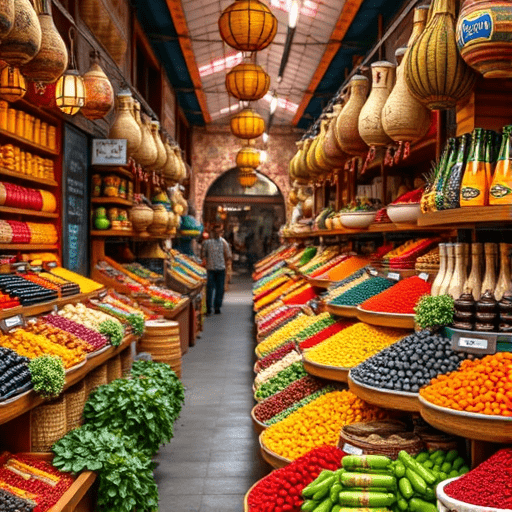
Exploring Marrakech’s vibrant souks is a feast for the senses, yet many visitors fall into the trap of paying inflated prices for fruit, spices, or artisanal pastries. This guide shows you how to navigate the city’s most authentic food bazaars, spot the best deals, and haggle like a local. By mastering price‑checking tricks, understanding cultural bargaining cues, and targeting the top stalls that serve real Moroccan flavor, you’ll leave your wallet lighter and your taste buds satisfied.
1. Know the Landscape: Which Bazaars Offer Genuine Local Fare?
While the Jemaa el‑Fnaa square attracts tourists with its performers and street food stalls, the real culinary gems lie in the adjacent souks: Souk Ableuh (Olive Oil), Souk el‑Loul (Jewelers), Souk Ben Youssef (Textiles), and the newly revitalized Souk El Kebir (Fresh Produce). Each of these markets has a distinct specialty, making them essential stops for a true gastronomic journey. The key is to avoid the busiest, most tourist‑heavy corners and instead focus on quieter lanes where locals shop.
2. The Art of Price‑Checking: How to Verify Fair Rates Before You Commit
2.1 Reference the Wholesale Prices
Moroccan markets operate on a wholesale‑to‑retail system. To gauge a fair price, first visit the central warehouses outside the main souk lanes—these are often the same buildings that store spices, dates, and dried fruit. Observe the posted bulk rates or ask a vendor directly; many will be happy to explain the price tiering. For example, a kilogram of dried apricots may cost 10 DH wholesale, while a smaller pack in a boutique stall might be priced at 18 DH. Knowing this baseline helps you assess whether a vendor is charging a premium or offering a good deal.
2.2 Use the “Three‑Finger Rule” to Spot Marked‑Up Items
In Marrakech, a common technique is to check whether a product is priced “per kilogram” or “per 100 grams.” If a vendor lists an item at 100 DH per kilogram, but offers the same fruit in a smaller 250‑gram package at 40 DH, compare the ratio. A legitimate 250‑gram pack should be roughly a quarter of the kilogram price (minus a small margin). If the ratio is off, the vendor is inflating the price for the smaller portion—a frequent tactic in tourist hotspots.
2.3 Cross‑Check with Multiple Vendors
Before buying, walk past at least three similar stalls. If the price differences exceed 20 %, you’ve found a high‑margin shop. A quick side‑by‑side comparison ensures you’re not paying a tourist rate for a simple loaf of bread or a handful of olives. Remember, the most authentic stalls often have a steady stream of local patrons, which is a good sign of fair pricing.
3. Local Bargaining Tips: Negotiating Without Offending
3.1 Timing Is Everything
Most vendors open their stalls early in the morning and start lowering prices by late afternoon as the day’s sales wind down. Aim to visit between 10 am and 2 pm when fresh produce arrives but the crowds haven’t yet peaked. This window gives you the advantage of a vendor eager to move inventory while still maintaining a friendly tone.
3.2 Master the “No” Gesture
In Moroccan culture, a polite but firm “no” (or a quick shrug) signals that you’re not willing to pay the initial price. It’s an invitation for the seller to offer a better rate rather than an outright refusal. A good rule of thumb is to respond with a gentle “maybe, but I’m looking for a better price” after hearing the first quote. This subtle approach respects the vendor’s business while asserting your budget.
3.3 Bundle and Trade
Ask if the vendor will combine items at a discount. For instance, “If I buy 2 kg of saffron and a small jar of olive oil, can you give me a better price?” Many sellers are willing to offer a bundle discount because they know they’ll have more sales volume. Additionally, trading small items (like a handful of mint leaves for a piece of preserved citrus) can be an effective bargaining tactic if you have a specialty product from another region.
3.4 Use the “Ask About the Origin” Question
When you ask a vendor where their goods come from, they often explain the supply chain, which reveals price structures. A vendor who proudly cites a family farm in the Atlas Mountains will typically have lower costs than one who imports from abroad. Understanding the origin allows you to gauge whether a price is justified.
4. The Top Authentic Food Stalls Every Traveler Should Try
- Chokor’s Olive Oil Corner – Located in Souk Ableuh, Chokor sells cold‑pressed extra‑virgin olive oil directly from the family’s mill. Prices start at 25 DH per 500 ml, and the oil is praised for its buttery, peppery notes. Don’t miss the complimentary tastings.
- Mariam’s Spiced Date Bar – In the back alley of Souk Ben Youssef, Mariam offers a variety of dates stuffed with almonds and saffron, freshly prepared. The price for a 200‑gram tin is 30 DH, which is half the rate of tourist stalls. The dates melt in your mouth, and the aromatic spices give them a unique flavor.
- Hassan’s Moroccan Tea Stand – Nestled beside the cedar trees in Souk El Kebir, Hassan serves the city’s best mint tea, brewed with local green tea leaves and a hint of orange blossom. A standard 250‑ml cup costs 12 DH, and the stand offers a free sugar cube for every purchase.
- Samira’s Tagine Kit – At the corner of the market’s main lane, Samira sells pre‑assembled tagine kits with a variety of fillings: lamb, chicken, or vegetable. Each kit includes dried spices, a small amount of couscous, and a recipe card. Prices range from 35 DH for a vegetable kit to 55 DH for a lamb version, far cheaper than ordering in a restaurant.
- Fatima’s Handmade Couscous Basket – In a small stall adjacent to Souk Ableuh, Fatima offers freshly made couscous in reusable bamboo baskets. A 500‑gram serving, paired with a small pot of broth, starts at 45 DH. The couscous is fluffy, and the broth is a secret blend of local spices.
Each of these stalls offers an authentic experience and fair pricing. Their regular customers—both locals and returning travelers—vouch for their quality and value.
5. The Cultural Etiquette of Market Shopping
5.1 Dress Respectfully
Moroccan markets welcome all visitors, but dressing modestly is a sign of respect. For men, a long shirt and pants; for women, a loose dress or a long skirt. This subtle courtesy often earns vendors extra patience during negotiations.
5.2 Speak Some Arabic or French
Even a simple “salaam alaikum” or “merci” goes a long way. Vendors appreciate the effort, and it fosters a friendlier bargaining atmosphere. A few phrases such as “كم السعر؟” (What is the price?) or “أقل ثمناً” (Less money?) are invaluable.
5.3 Respect the Vendor’s Time
Try not to linger if you’re not buying. The stall’s layout often allows you to shop quickly, and vendors will be happier to assist if you’re efficient. Remember, the market is a shared space, and mutual respect keeps the experience enjoyable for everyone.
6. Practical Tools: Apps and Guides for the Savvy Shopper
While many vendors prefer cash, a few accept cards. For travelers who rely on mobile payments, the MonCash app provides a secure method for quick transactions. Additionally, the Marrakech Souk Guide (available on iOS and Android) offers stall maps, price ranges, and user‑rated bargains, making it easier to locate your next authentic food stop.
7. The Bottom Line: A Shopper’s Playbook for Marrakech Food Bazaars
- Research the Market Map: Identify which souks specialize in fresh produce, spices, or prepared foods.
- Do Your Price‑Checks: Compare bulk and packaged prices, and use the three‑finger rule to spot inflated rates.
- Time Your Visit: Shop between 10 am and 2 pm to catch the best deals.
- Practice Polite Bargaining: Use a firm “no,” bundle items, and ask about origins to negotiate.
- Visit Proven Stalls: Try Chokor, Mariam, Hassan, Samira, and Fatima for quality and value.
By combining these tactics, you’ll find Marrakech’s most authentic food bazaars and walk away with both memorable flavors and a lighter wallet.