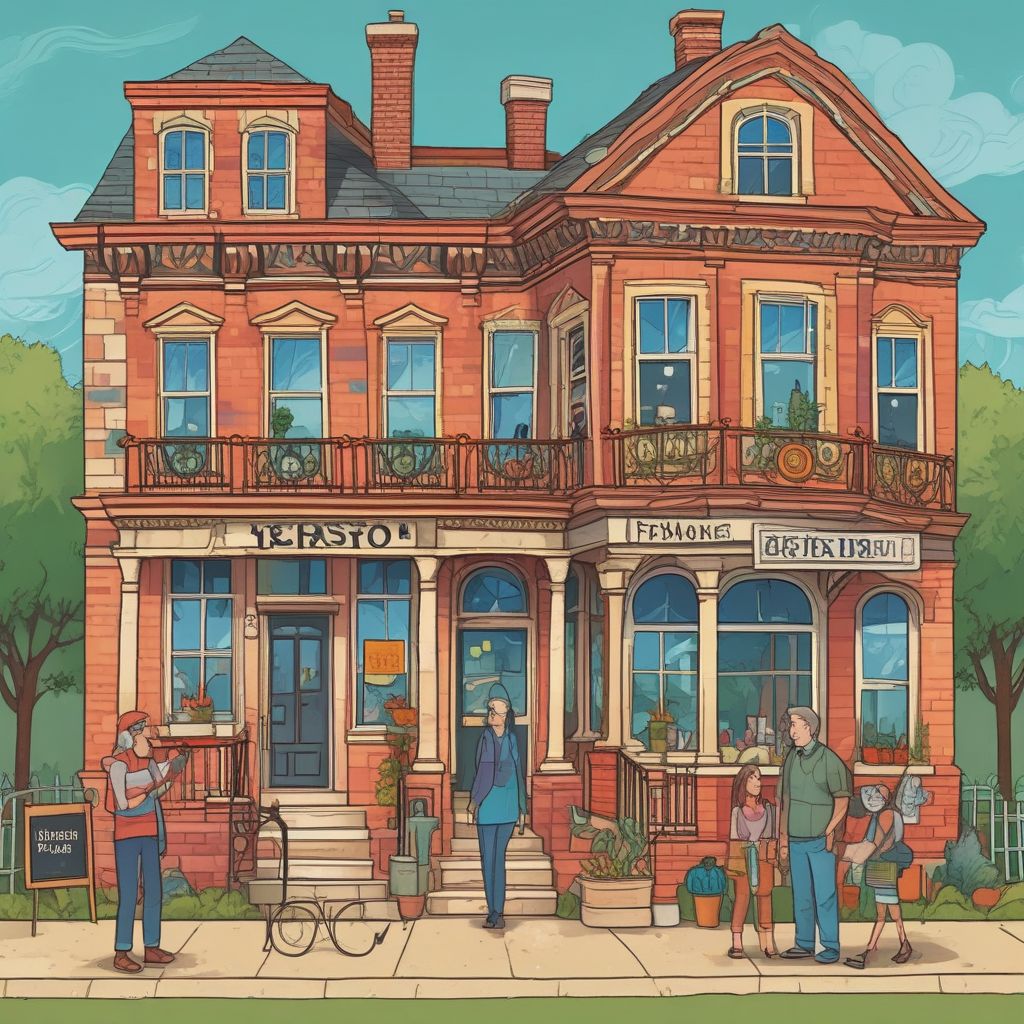
Exploring micro-museums is one of the most rewarding ways to travel like a curator: these small, community-run spaces pack powerful stories, material culture, and personal memories into compact galleries that mainstream tourism often overlooks. Whether tucked into a railway waiting room, a church basement, or a private storefront, micro-museums reveal local histories through the eyes of neighbors and volunteer curators—offering encounters that feel more like a conversation than a museum visit.
Why Micro-Museums Matter
Micro-museums preserve the granular details of place—crafts, oral histories, industrial detritus, and personal collections—that seldom make it into larger institutions. They are often curated by local historians, retired teachers, or passionate volunteers who can connect objects to family stories, migration patterns, and neighborhood politics. Visiting one supports grassroots heritage work and gives travelers a richer, more human understanding of a destination.
What sets micro-museums apart
- Intimacy: small spaces foster deeper, more personal interactions with curators and artifacts.
- Local perspective: exhibits reflect community priorities and untold narratives.
- Flexibility: rotating displays, pop-up events, and object loans create a dynamic visitor experience.
How to Find Micro-Museums
Discovering these hidden gems takes curiosity and a few clever search strategies. Start with local resources and layer in social tools and serendipity to assemble a micro-museum route.
Practical search tactics
- Check local tourism websites and community calendars for “heritage center,” “local history,” or “community museum.”
- Search social media and hashtags (try #microMuseum, #localhistory, or the town name + “museum”).
- Ask at cafes, libraries, and visitor centers—baristas and librarians often know who cares for the town’s collections.
- Use map apps: zoom in on older neighborhoods and look for unusual building labels (society, archive, memorial).
- Read local newspapers or municipal council notes for mentions of exhibitions, restorations, or volunteer calls.
Before You Go: Planning and Etiquette
Micro-museums can have limited hours, rely on volunteers, or require appointments—planning ahead ensures a meaningful visit for both you and the curator.
Pre-visit checklist
- Confirm opening hours or request an appointment—many open afternoons or by appointment only.
- Bring cash for small entry fees, donations, or the curator’s handmade guidebooks.
- Prepare questions (see next section) and read a little local history to show respect and curiosity.
- Avoid flash photography unless given permission; some artifacts are fragile or privately lent.
Meeting the Curator: Questions That Open Stories
Conversations with curators are the heart of the micro-museum experience. Ask open-ended questions that invite memories, connections, and context.
Good conversation starters
- “How did this museum start, and who helped?”
- “Which object here has the most surprising story?”
- “Are any of these items on long-term loan from local families?”
- “How has the neighborhood changed since the collection began?”
Listen for names, neighborhoods, and events you can follow up on later—curators often enjoy seeing visitors take an active interest and may offer a personal tour or a walk to related sites.
Designing a Micro-Museum Day Trip
Make the most of a micro-museum visit by pairing several small sites with complementary local experiences.
Sample half-day itinerary
- 10:00 — Start at a community-run railway or industry micro-museum; learn about local labor history.
- 11:30 — Coffee break at a nearby café and chat with staff about neighborhood changes.
- 12:15 — Visit a genealogical or family-history micro-museum, often open at the historical society.
- 13:00 — Lunch featuring regional specialties and a stop at a storefront artisan to see traditional crafts.
- 14:30 — End with a short walk to a memorial garden or civic archive and ask about volunteer opportunities.
Supporting Micro-Museums Respectfully
Many micro-museums operate on shoestring budgets and depend on donations, volunteers, and visitor goodwill. Thoughtful support preserves them for future visitors.
Ways to help
- Donate—money, archival supplies (acid-free folders), or small digital tools for cataloging.
- Volunteer—offer time for collections care, translation, or social media help.
- Share—write a thoughtful review, tag the museum on social media, or recommend it to local press.
- Buy local—purchase guidebooks, postcards, or crafts sold to fund the museum.
Ethics and Cultural Sensitivity
Micro-museums often display items with strong community meanings, including contested histories or sacred artifacts. Approach these stories with humility.
- Respect access rules—some objects may have viewing restrictions for cultural or spiritual reasons.
- Avoid recording interviews without permission; ask how the museum prefers stories to be shared.
- Credit the community—when you blog or post, acknowledge that the narrative belongs to local people, not to you alone.
Packing Checklist for Curator-Style Travel
- Notebook and pen for names, dates, and curator contact details
- Spare cash and small bills for donations and purchases
- Comfortable walking shoes and a lightweight tote for brochures and postcards
- Camera (no flash) and a chance to request permission before photographing objects
Final Tips for Meaningful Visits
Be curious rather than authoritative—ask questions, accept a curator’s invitation to look closer, and follow up with gratitude. Over time, small visits can build relationships that deepen your travel practice and help preserve local stories.
Conclusion: Micro-museums turn travel into a communal act of discovery, where listening matters more than ticking sights off a list. Seek them out, treat curators as partners, and leave each space in better shape than you found it.
Ready to travel like a curator? Start by picking one micro-museum near your next destination and asking the curator for their favorite story.