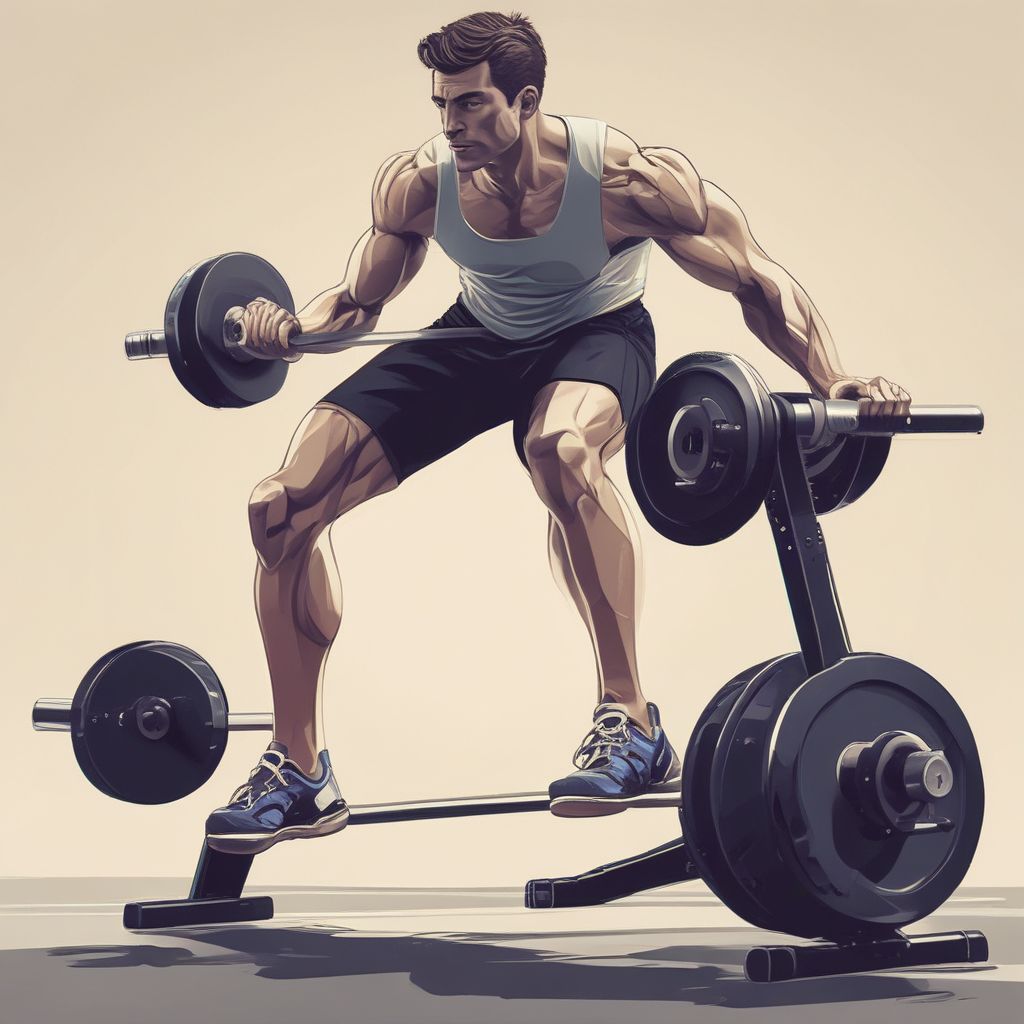
Micro-Periodization for Busy Professionals reframes the way time-crunched athletes train by using short, focused 20-minute workouts and daily microcycles to build strength, endurance, and consistency without sacrificing results. If your schedule won’t allow hour-long sessions, this pragmatic plan shows how targeted intensity, strategic variation, and simple progress tracking can deliver equal or better gains in less time.
Why Micro-Periodization Works for Busy People
Traditional periodization often assumes long gym sessions and ample recovery blocks. Micro-periodization compresses the same training principles into short, daily microcycles that rotate emphasis (strength, endurance, power, recovery) on a rapid cadence. The advantages for busy professionals include:
- Higher adherence: A 20-minute commitment is easier to prioritize consistently.
- Better quality of effort: Short sessions encourage higher intensity and greater focus on key lifts or intervals.
- Frequent stimulus: Daily, varied stimuli improve technical skill and maintain metabolic stimulus without long, fatiguing sessions.
Principles of an Effective 20-Minute Micro-Periodized Program
- Daily Microcycles: Each day has a clear objective: strength, tempo endurance, interval speed, mobility/active recovery.
- Priority-based exercises: Start with one or two priority movements (compound lifts or interval formats) and finish with short accessory work if time allows.
- Intensity over volume: Use higher relative intensity or higher work density (more work per minute) rather than chasing set volume.
- Planned variation: Rotate the training focus on a 4–7 day microcycle to balance stress and adaptation.
- Progressive overload: Track small, measurable progressions (reps, sets, load, tempo, rest reductions).
Sample 7-Day Microcycle (20 Minutes Each)
This sample microcycle is designed for a busy professional who trains five to six days per week and wants balanced strength and endurance.
Day 1 — Strength (Push Focus)
- 0–2 min: Quick joint warm-up
- 2–12 min: Barbell or dumbbell bench press — 5 sets x 3–5 reps, 60–75 seconds rest
- 12–20 min: Push accessory circuit — 3 rounds (10 push-ups, 12 dumbbell flies, 30s plank)
Day 2 — Interval Endurance (Cardio Density)
- 0–3 min: Dynamic warm-up
- 3–18 min: 30s hard / 30s easy x 15 rounds on bike/rower/run
- 18–20 min: Light cooldown and breathing
Day 3 — Strength (Pull + Posterior Chain)
- 0–3 min: Activation (banded pulls, glute bridges)
- 3–13 min: Deadlift variation — 5 sets x 3–5 reps or Romanian deadlifts 4×6
- 13–20 min: Pull circuit — 3 rounds (8-10 pull-ups or rows, 12 kettlebell swings)
Day 4 — Power and Mobility
- 0–2 min: Dynamic mobility
- 2–12 min: 6–8 sets of explosive movement (3 reps each: jump squat, kettlebell snatch, or medicine ball throw), rest 60s
- 12–20 min: Mobility flow focused on hips and thoracic spine
Day 5 — Tempo / Strength Endurance (Lower Body)
- 0–2 min: Warm-up
- 2–12 min: Front squat or split squat — 4 sets x 6 reps at controlled tempo (3s down, 1s up)
- 12–20 min: Conditioning finisher — 4 rounds (10 walking lunges, 15s sprint in place)
Day 6 — Active Recovery or Yoga
20 minutes of low-intensity movement, foam rolling, and breathing to enhance recovery and maintain consistency.
Day 7 — Optional Long Active Session or Rest
Either a longer 30–40 minute endurance session (walk, bike) or full rest based on fatigue and schedule.
Programming Details and Progression
Progression is intentionally small and measurable to fit the short session length:
- Increase load by 2–5% when prescribed reps feel manageable for two consecutive workouts.
- Reduce rest by 5–10 seconds to increase density when equipment or weights are limited.
- Swap exercise variations every 2–3 microcycles to avoid plateaus (e.g., swap back squat for goblet squat).
Tracking Tips
- Record one key metric per workout (e.g., best set weight, total reps completed, total calories on rower).
- Use a simple spreadsheet or notes app to track performance and perceived exertion (RPE 1–10).
- Review weekly: look for upward trends in load or density and any signs of accumulated fatigue.
Warm-Up, Cooldown, and Recovery Hacks for Time-Crunched Athletes
Warm-ups should be specific and short: 2–4 minutes of movement prep that targets your session’s priority muscles. Cooldowns can be 2–5 minutes of mobility, breathing, and contrast (e.g., slow walking) to speed recovery.
- Micro-sleep and naps: A 10–20 minute nap can restore alertness for evening training.
- Nutrition: Prioritize a protein-rich meal within 1–2 hours of training and a small caffeine window if needed for morning sessions.
- Sleep hygiene: 7+ hours nightly magnifies gains from short, intense workouts.
Equipment-Light Variations and Home-Friendly Options
Busy professionals often train at home or with minimal gear. Swap barbell lifts for kettlebell or dumbbell options, and use intervals for cardio. Example home swaps:
- Deadlift → Single-leg Romanian deadlift with dumbbell
- Bench press → Push-up progression or dumbbell floor press
- Bike intervals → Stationary bike or stair sprints
Common Pitfalls and How to Avoid Them
Short workouts can fail if they’re unfocused or inconsistent. Watch for these issues and fixes:
- Pitfall: Doing too many exercises poorly. Fix: Prioritize 1–2 main movements with high-quality execution.
- Pitfall: Never progressing load or intensity. Fix: Implement weekly micro-progressions; small increases compound over months.
- Pitfall: Skipping recovery days out of guilt. Fix: Schedule active recovery as a legitimate, performance-enhancing session.
How Quick Programs Outperform Long Sessions
When designed with intention, 20-minute micro-periodized workouts often outperform hour-long sessions by maximizing adherence, minimizing wasted time, and focusing physiological stress on the most important adaptations. For professionals juggling meetings and family life, consistent short sessions accumulate into real strength, endurance, and confidence.
Conclusion: Micro-periodization and 20-minute workouts are not shortcuts — they are smarter training strategies that rely on structure, quality, and consistency to produce results that rival or exceed longer sessions.
Ready to take 20 minutes and change your fitness trajectory? Start today: pick one microcycle from the sample plan and commit to 7 consecutive days—track one metric and measure progress.