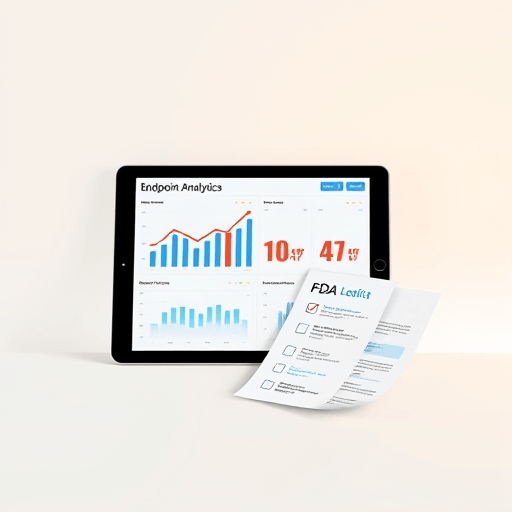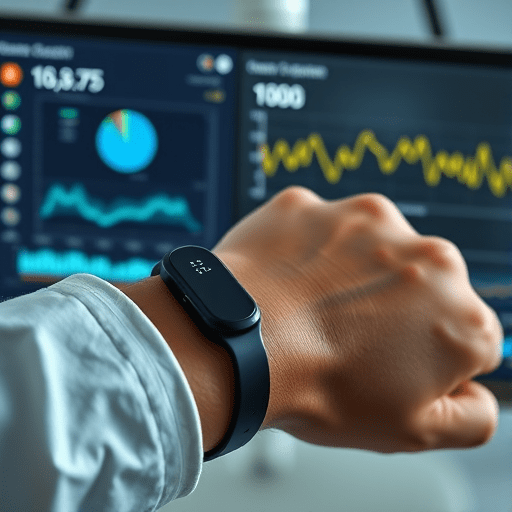
The electronic health record has long been the backbone of clinical evidence, but its limits are showing. As decentralized and hybrid trial designs accelerate, sponsors are increasingly turning to patient-generated health data (PGHD) from wearables, mobile apps, and remote sampling to fill evidentiary gaps that the EHR simply cannot address. In 2026, the U.S. Food and Drug Administration is signaling a more mature posture toward these alternative data streams, while still holding sponsors to rigorous standards around provenance, integrity, and clinical meaningfulness. Designing a patient-generated evidence stream that satisfies regulators requires more than bolting a fitness tracker onto a protocol; it demands a deliberate architecture spanning data collection, verification, and analysis.
Why the EHR alone no longer tells the full story
EHRs were designed to document care delivery, not to capture patient experience in real time. They excel at recording discrete clinical encounters but often miss the longitudinal trajectory of symptoms between visits, the lived experience of functional impairment, and the behavioral context that shapes outcomes. For sponsors pursuing label expansions in conditions defined by patient-reported severity, such as migraine, long COVID, autoimmune fatigue, the absence of high-frequency patient-generated data can mean missed treatment effects and weakened submissions.
Regulators have acknowledged this gap. Recent draft guidance on the use of real-world evidence in regulatory submissions has placed greater emphasis on data sources that reflect the daily lived reality of patients, provided those sources meet standards for reliability. The message is clear: data that originates outside the clinic walls can support labeling claims, but only if the pathway from patient to submission is engineered with care.
The FDA’s evolving expectations for patient-generated data
The FDA’s current evidentiary framework treats data fitness for purpose as the central question. Patient-generated evidence streams are evaluated not by their origin but by their fitness: how well they characterize the exposure, outcome, and confounders relevant to the clinical question at hand. Three expectations consistently surface across recent agency interactions.
Provenance and chain of custody
Every data point must be traceable from the moment it leaves the patient’s device. Regulators increasingly expect sponsors to document the hardware, firmware, and software versions involved, alongside the consent and data-sharing permissions granted by the participant. A wearable that silently updates its algorithm mid-study introduces unacceptable variability unless version control is part of the audit package.
Verifiability of measurements
Continuous glucose monitors and connected inhalers have set a precedent for sensors whose accuracy claims are part of their regulatory clearance. When sponsors layer patient-generated data on top of approved devices, they inherit a credibility advantage; when they deploy novel sensors, they must demonstrate analytic validity comparable to a clinical reference standard. The burden falls on the sponsor to show that what the device captures is what the device claims to capture.
Clinical meaningfulness of patient-reported overlays
Sensor streams are most persuasive when paired with patient-reported outcomes that capture symptoms and function in the patient’s own words. The FDA has signaled growing comfort with ePRO and ecological momentary assessment data when they are collected using instruments with documented psychometric properties. Pairing a passive stream with an active report creates a richer evidence package than either source alone.
Architecting a defensible patient-generated evidence stream
A successful architecture treats the data stream as a regulated asset rather than a research convenience. Five design decisions shape whether the stream will hold up under review.
1. Select devices and apps with documented quality systems
Build the evidence stream on a foundation of components that are themselves regulated or operate under recognized quality management systems. ISO 13485 certification, FDA-cleared device status, and SOC 2 compliance for cloud infrastructure are not guarantees of acceptance, but they shorten the conversation about fitness. Sponsors that assemble streams from consumer-grade devices without quality documentation often find themselves rebuilding the package late in the review cycle.
2. Lock the configuration at protocol finalization
Algorithmic drift is a recurring pain point. Wearable manufacturers may update step-counting algorithms, sleep staging models, or arrhythmia detection thresholds without notice. Locking the firmware and software versions at study start, and documenting any subsequent changes with a defined impact assessment, preserves the integrity of the longitudinal record.
3. Engineer the patient experience to reduce missingness
Missing data is the silent killer of patient-generated evidence. A wearable that patients remove before sleep, an app that drains the battery, or a daily diary that feels like homework will create gaps that no statistical method can fully repair. Investing in device comfort, transparent feedback to patients about their own data, and lightweight adaptive questioning pays dividends in completeness.
4. Pre-specify the analytic pathway
Regulators are wary of post-hoc fishing expeditions. Pre-specifying the features extracted from continuous streams, the aggregation windows, and the handling of missing data gives reviewers confidence that the analyses were not driven by the results. Statistical analysis plans should treat wearable-derived endpoints with the same rigor applied to traditional biomarkers, including sensitivity analyses that test robustness to alternative missing-data assumptions.
5. Plan for data linkage and reconciliation
Patient-generated data gains power when linked to clinical outcomes captured in the EHR, claims data, or registry records. Pre-specified linkage methods, including the patient matching algorithm and the timeline for reconciliation, should be documented in the protocol. Sponsors that attempt linkage post-hoc risk findings that are difficult to defend.
Common pitfalls that derail submissions
Three recurring issues surface in FDA interactions involving patient-generated evidence. The first is treating the wearable as an objective source of truth for constructs that are inherently subjective. Step counts do not capture fatigue; heart rate does not measure pain. Pairing sensor streams with validated patient-reported instruments avoids the trap of overclaiming.
The second is underestimating the regulatory scrutiny applied to cybersecurity and informed consent for continuous data collection. Patients must understand what is collected, where it goes, who sees it, and how long it is retained. A consent document that buries these details in legal language is a frequent deficiency in audit findings.
The third is failing to align the evidence stream with the clinical question. A sponsor may collect a year of continuous data when the regulatory question requires a defined exposure window relative to dosing or symptom onset. The most successful submissions map every data element back to a specific decision the FDA must make.
What sponsors should do in 2026
The agency has signaled it will accept well-designed patient-generated evidence streams, but it has not lowered the bar. Sponsors planning 2026 submissions should engage the FDA early through pre-IND or pre-submission meetings, bringing a draft data provenance diagram and a clear analytical plan. They should invest in patient experience design before the protocol is finalized, recognizing that engagement and retention determine the integrity of the stream. And they should treat their evidence architecture as a regulated system, with version control, change management, and audit trails that can be produced on request.
Conclusion
The future of regulatory evidence will be assembled from many streams, not a single record. Patient-generated data offers sponsors a way to demonstrate effects that EHRs cannot capture, but only when those streams are designed, documented, and defended with the same discipline applied to traditional clinical sources. Sponsors that treat the patient-generated evidence stream as a first-class regulatory asset, rather than a research afterthought, are the ones whose submissions will move smoothly through review and emerge with labels that reflect the realities of patient life.