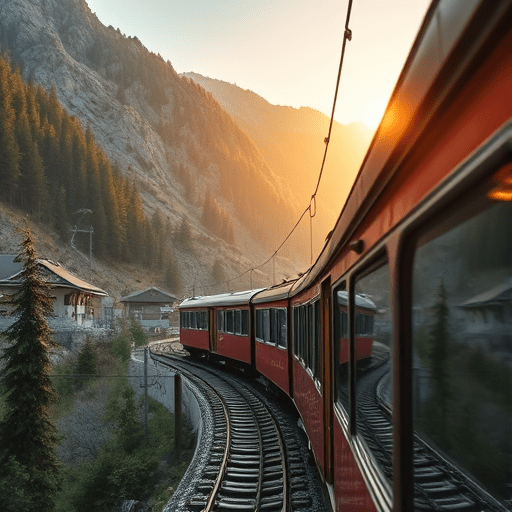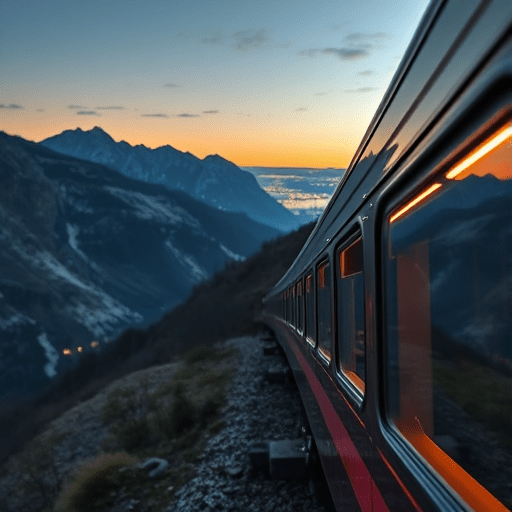
Europe’s night trains replacing budget flights are no longer a niche travel idea. In 2026, improved cross-border timetables, refurbished sleeper carriages and growing demand for lower-carbon journeys are bringing overnight rail back to routes that have long depended on short-haul aviation. The revival is especially visible on journeys where a daytime train would consume an entire day, but a budget flight adds airport transfers, security queues and the risk of an overnight stay near a distant hub.
These services are not identical, and “night train” can mean different things. Some routes use comfortable seated coaches, others add couchettes, while premium sleepers provide private rooms and en-suite facilities. The seven routes below illustrate how night trains are reshaping European travel, not by trying to beat airlines on every front, but by turning travel time into useful, restful time.
Why Overnight Rail Is Gaining Ground Across Europe
Several forces are aligning in 2026. Rail operators are reopening routes discontinued decades ago, ordering new rolling stock and coordinating border procedures more closely. At the same time, travelers are looking for journeys that begin and end in city centers, avoid complicated airport logistics and reduce the environmental impact of a short European trip.
Night trains work best over distances of roughly 700 to 1,500 kilometers. At that range, flying may appear inexpensive when a basic fare is compared with a rail ticket, but the true travel experience is more complicated. Central stations are often closer to hotels, public transport and tourist districts. Passengers can pack later, check in less early and arrive without the most exhausting parts of airport travel.
The catch is that sleeper accommodation is limited. A low advertised fare may apply to a reclining seat or couchette rather than a private cabin, and popular dates can sell out months ahead. Travelers should compare the complete journey, not just the ticket price, while keeping in mind that overnight rail is designed to replace travel time and sometimes a hotel night.
1. Berlin to Paris: A New Generation of European Sleeper
The Berlin–Paris overnight route is a strong example of how night trains are changing the map between major capitals. A sleeper service linking Germany and France gives passengers an evening departure from Berlin and a morning arrival in Paris, avoiding the need to spend a full day on the conventional rail journey or arrange a separate flight.
This route benefits from a straightforward city-center-to-city-center format. The service is particularly attractive for people who want to use their first morning in Paris near Gare de l’Est rather than at an airport outside the city. Standard sleeper options may include shared couchettes and private cabins, with the level of privacy and comfort reflected in the fare.
One important planning detail is border handling. Passengers should carry any required identification and be ready for a short passport or document check during the journey. Booking early is sensible during summer weekends, trade fairs and school holidays, when private rooms can disappear quickly.
2. Vienna to Amsterdam: Central Europe After Dark
The Vienna–Amsterdam night train connects two popular rail corridors through the heart of Europe. Instead of changing planes in a distant airport, travelers can board in Vienna and wake up in the Netherlands, with the journey acting as both transport and accommodation.
This route is valuable because it serves a combination of business, student and leisure travel. It also offers a practical alternative when flight schedules are inconvenient or when a traveler prefers not to arrive at an early airport for a short regional flight. The route demonstrates how overnight rail can compete effectively with flights when the overall itinerary is measured from city center to city center.
Passengers should expect that the train may pass through several countries and that service configurations can vary by date. A seat is usually the least expensive option, while couchettes and sleeper cabins provide better rest. Earplugs, a small wash kit and a refillable water bottle are useful additions, particularly when sharing a compartment.
3. Brussels to Prague: A More Direct Alternative to Connecting Flights
The Brussels–Prague night train is another important part of the European sleeper revival. It links Belgium with the Czech Republic and offers a practical alternative to flying between two cities where the direct journey can be tiring and indirect flights may require long connections.
Brussels is well connected to major cities in France, the Netherlands and Germany, while Prague is a major destination in its own right and a gateway to the wider Central European rail network. An overnight journey can therefore be combined with additional train travel, making it useful for travelers planning a multi-stop trip rather than a single flight.
One of the route’s advantages is its ability to simplify a complicated itinerary. A traveler can leave central Brussels in the evening and reach central Prague the next morning without navigating a transfer airport. As with other international services, checking the exact departure station, arrival time and cabin type is essential, since overnight services can use different terminals and operating patterns on selected dates.
4. Stockholm to Berlin: Scandinavian Comfort Meets Continental Europe
The Stockholm–Berlin sleeper route is a compelling example of international cooperation between rail networks. It combines the longer distances common in Scandinavia with a direct overnight connection to one of Europe’s most visited cities, allowing travelers to avoid the fragmented experience of multiple daytime connections.
This service is especially useful for passengers who value continuity. Instead of changing trains several times, passengers board once and can settle into their accommodation for the night. The route also illustrates how night trains can serve routes that are too long for an easy daytime ride but short enough to make flying seem unnecessarily complex.
Travelers should consider that Scandinavian trains often operate at high standards, but sleeping comfort still depends on the category booked. A seat may be suitable for budget-minded travelers who can rest in a reclined position; a couchette is more social and economical; a private sleeper is best for light sleepers or anyone who wants a door they can close.
5. Zurich to Barcelona: Alpine Departure, Mediterranean Morning
The Zurich–Barcelona night train is an appealing alternative to a short flight across the Alps. The route can save travelers from spending a full day transferring between cities, while turning the overnight section into a moving hotel room.
Its geography is part of the appeal. The journey links a major Swiss financial and cultural center with Barcelona’s Mediterranean coast, offering a useful combination for both business travelers and holidaymakers. For passengers continuing beyond Barcelona, the morning arrival can also connect with daytime trains along Spain’s rail network.
Services may change schedules by season, and travelers should verify whether the train is direct throughout the entire journey. Night trains can also be affected by engineering work or border procedures, so checking the operator’s live information shortly before departure is wise. Booking a berth rather than a seat makes the most sense if rest is the priority.
6. Milan to Paris: Night Rail Between Fashion Capitals
The Milan–Paris overnight route is another key development in the expansion of European sleeper services. By connecting northern Italy with France in a single overnight journey, it gives travelers a city-center alternative to flying, particularly for itinerates where time is more valuable than the lowest possible ticket price.
Milan and Paris are both major business destinations, and the route is useful for travelers attending meetings, exhibitions or conferences. It also supports leisure travel between Italy and France without requiring an airport transfer at either end. The service is a good example of how rail can compete on convenience even when the ticket is not the cheapest option on the market.
For business passengers, a private sleeper can provide a quiet place to work before departure and a full night’s rest before arrival. A small overnight bag is often easier to manage than a large suitcase, although travelers should confirm luggage rules and whether a station locker or hotel storage arrangement is needed before boarding.
7. Rome to Munich: An Overnight Link Across Italy and Germany
The Rome–Munich night train represents the broader ambition of Europe’s sleeper revival: connecting distant cities across multiple rail systems and borders. The route is especially relevant for travelers moving between Italy and southern Germany, where a flight may require an airport on the outskirts of the destination.
This journey offers a direct answer to the problem of wasted daylight. Passengers can explore Rome during the day, board in the evening and reach Munich the next morning. The route may appeal to independent travelers who prefer to arrive near the center and continue by local transport or regional train.
As with many long-distance sleeper services, the exact experience depends on the class chosen. Couchettes are typically shared, while private sleepers provide more control over lighting, noise and storage. A morning arrival can be more restful than an early flight, but passengers should avoid scheduling an important meeting immediately after arrival unless they have allowed time to freshen up.
How to Compare a Night Train With a Budget Flight
The most useful comparison includes more than the headline price. Before booking, travelers should calculate the airport journey, check-in time, baggage rules, transfer time, expected overnight accommodation and the value of arriving at a central station. A flight may be cheaper on paper, while a sleeper can be the better choice when those extra factors are included.
- Total travel time: Compare city-center departure with airport arrival and transfer time.
- Rest quality: Decide whether a seat, couchette or private sleeper matches your needs.
- Border requirements: Check passport rules and any station or onboard document procedures.
- Connection risk: Direct overnight rail removes the need to transfer between airport terminals or flights.
- Luggage: Review size limits and the amount of storage available in the chosen cabin.
- Schedule flexibility: Compare cancellation terms and whether changes are possible for a fee.
Travelers should also account for the possibility that a night train will be delayed by infrastructure work or border processing. Maintaining realistic expectations is important: sleeper rail is not automatically faster, cheaper or more punctual than flying. Its strongest advantage is that it can combine transportation and accommodation while making the journey itself more comfortable and less dependent on airport infrastructure.
What to Expect From Sleeper Travel in 2026
The new generation of European night trains is creating a more varied market. Some operators emphasize affordable couchettes, while others focus on private rooms, improved accessibility and hotel-style service. The result is a wider range of prices, but also a greater need to read the booking details carefully.
A seat is generally the lowest-cost option, but it may offer limited recline and little privacy. Couchettes provide a simple berth in a shared compartment and are often a good middle ground. Private sleepers range from compact single rooms to more spacious cabins with beds, storage and washbasins. En-suite facilities and hotel-style bedding are not universal, so travelers should confirm what is included before paying a premium.
Passengers should arrive at the station with enough time to locate the platform, board and store luggage. A lightweight bag, eye mask, earplugs, comfortable clothes and a charged phone can make a significant difference. Most importantly, the chosen service should be treated as an overnight travel experience rather than a cheaper version of daytime rail.
The rise of night trains is not the end of budget flights in Europe. It is a response to a specific travel need: journeys long enough to make flying inconvenient, but short enough for a comfortable overnight train. As routes expand and rolling stock improves, sleeper rail is becoming a practical alternative for travelers who want to spend less time in transit and more time at their destination.
For anyone considering a European trip in 2026, the seven routes show that the map is changing. Berlin, Paris, Vienna, Amsterdam, Brussels, Prague, Stockholm, Zurich, Barcelona, Milan, Rome and Munich are increasingly connected by a network that values directness, comfort and the ability to arrive in the heart of a city. Night trains may not replace every short flight, but they are reshaping the choices available to travelers across the continent.