The tactical RPG genre has always been about positioning, timing, and hard choices. Yet, too often, those choices land with a thud because the faction reputation systems governing them are static, binary, and predictable. In 2026, as narrative ambitions outgrow linear branching, tactical RPGs need dynamic faction reputation systems that treat alliances as living, shifting forces. When a faction’s loyalty is not a fixed meter but a fluid web of betrayals, debts, and geopolitical pressure, every tactical decision can reshape quest outcomes in ways that feel both surprising and inevitable.
Static reputation systems have been the genre’s crutch for decades. Save a village, gain +10 with the Liberation Front, lose -10 with the Empire. Once those numbers lock in, the story proceeds along a preordained track. But real politics don’t work that way. Allies today may become enemies tomorrow, not because of a binary moral score, but because the world around them changed. A dynamic faction reputation system simulates this messy reality, making each quest node a living part of a larger, reactive ecosystem.
The Static Reputation Trap: Why Binary Choices Fall Flat
Most tactical RPGs still frame faction reputation as a collection of alignment bars. Your hero might be “honorable” or “ruthless,” with a few side quests gated behind each threshold. These bars rarely communicate the faction’s own shifting priorities. Instead, they reduce complex political actors to simplistic reward dispensers. The outcome is often a feels-bad moment: you support a faction’s military campaign, but a rival faction’s earlier alliance is forgotten because the game only tracks a global score.
Binary choices also suffer from a lack of nuance. When a player decides between two quest paths, the game often locks out half the content with a single click. The decision itself may be interesting, but the aftermath is typically static: the faction you opposed simply stops talking to you. There is no middle ground, no grudging cooperation, no chance for that faction to return under different circumstances. In 2026, players expect more from political narratives. They expect faction reputation to be a dynamic simulation, not a binary switch.
Shifting Alliances as a Narrative Engine
The real power of a dynamic faction reputation system lies in how it transforms alliances into narrative engines. Instead of a simple reputation meter, imagine each faction maintaining its own web of relationships with every other faction. The player is one node in that web, but not the only node. When you perform a quest, the world reacts not only to your act but to how that act affects the balance of power between factions. Helping one faction might inadvertently weaken another, causing that weaker faction to seek new allies — perhaps even your enemies.
This creates a beautiful, chaotic loop: your choices alter the political landscape, which in turn alters the context of future choices. A quest you began as a simple escort mission may, thirty hours later, become a pivotal battle because the escort wasn’t just a person — it was a symbol. Faction reputation becomes a living thing, changing with every skirmish, every diplomatic letter, every show of force on the grid-based battlefield.
The Ripple Effect: How One Quest Outcome Reshapes the World
Consider a concrete example. Early in the game, you are tasked with deciding whether to spare or execute a captured enemy general. In a static system, this grants you a one-time faction bonus or penalty. In a dynamic system, the consequences ripple outward. Sparing the general earns you goodwill from his faction, but his rival faction sees you as weak and begins plotting against you. Weeks later, that same general may appear at your side during a siege, but only if you have continued to honor the diplomatic thread between you. If you instead started a border war with his faction, he might turn on you mid-quest, flipping the outcome of a battle you had carefully arranged.
That is the kind of consequential storytelling that makes tactical RPGs unforgettable. Every choice should have weight not because the game tells you it will, but because the simulation behind it remembers. Dynamic faction reputation systems allow quest outcomes to be written by the sum total of player actions, not by a single branching flag. They create emergent narratives that are different for every playthrough.
Designing a Dynamic Reputation System That Works
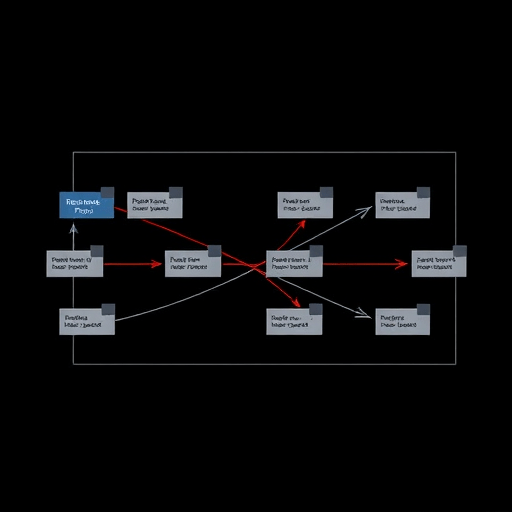
Of course, building such a system is no small feat. The key is to avoid the trap of opaque, convoluted mechanics. Players should be able to see the shifting relationships between factions, even if they can’t control them entirely. A diplomatic map, updated in real time, can show that the Mercenary Guild is furious with the Crown, or that the Desert Tribes are slowly forming a pact with the Empire. This visibility turns reputation from a hidden stat into a strategic layer of the game.
Dynamic systems also require careful pacing. Reputation shouldn’t swing wildly after every minor encounter; it should evolve gradually, with clear triggers and moments of dramatic upheaval. Factions should have long memories. A betrayal from the first act might resurface in the third act, but it can be softened if the player later did something heroic in that faction’s name. This gives the player agency while preserving the logical cause-and-effect that makes dynamic systems believable.
Making Every Choice Matter Without Railroading
One fear designers might have is that a truly dynamic reputation system will make the narrative feel chaotic, diminishing the impact of individual decisions. The solution is to design for informed choice. The player should be able to anticipate the broad strokes of how a faction will react, even if the specific ripple effects are surprising. For example, when you decide to seize a neutral fortress, the game might warn you that this will unsettle the surrounding factions. It won’t tell you exactly how they’ll respond, but the warning primes you to pay attention to the diplomatic fallout.
Additionally, reputation doesn’t have to be a single number. A faction may have separate opinions about your military power, your trustworthiness, your history with their rivals, and your progression through their quest line. These nuanced vectors allow for layered relationships. A faction could despise you for betraying them but still ally with you because you are the only one powerful enough to stop their common enemy. That is the kind of complex, pragmatic decision-making that makes tactical RPGs feel truly political.
The Tactical Layer: Combat as a Tool of Diplomacy
Tactical RPGs already excel at positioning units on a grid. A dynamic faction reputation system can extend that same mindset to the world map. Battles become more than just fights; they are political acts. If you storm a castle belonging to a neutral faction, neighbouring factions will lose trust in you. If you defend a trade route, the merchants who control that route may reward you with better equipment at a critical moment. Over time, your reputation across the world determines who shows up to fight beside you — and who might switch sides mid-battle.
This makes combat itself a strategic tool for shaping alliances. A player might choose to deliberately underperform in a battle to let two enemy factions weaken each other, preserving their own army and diplomatic reputation. Or they might sacrifice a key unit in one battle to win a reputation boost that converts a former enemy into an ally. In a dynamic system, every move on the grid has implications beyond the immediate victory condition. This adds a whole new layer of tactical depth that static reputation systems simply cannot offer.
Lessons from the Next Generation of Tactical RPGs
Some recent tactical RPGs have already edged toward this vision. Games like Triangle Strategy and Tactics Ogre: Reborn demonstrated that players crave branching political narratives, but they still settled for mostly binary conviction scales and dialogue checkpoints. They gave us a taste of what’s possible, but the genre has yet to fully embrace the dynamic, shifting alliance model that 2026’s technology and design philosophy can support.
Imagine a tactical RPG where the final chapter is not determined by a single choice near the end, but by a thousand smaller decisions scattered across the map. Where your reputation with one faction affects your reputation with another faction by proxy. Where a failed quest doesn’t just mean lost loot — it means that an ally is now willing to listen to your enemy’s promises. That is the future of the genre, and it is within reach.
The requirement is not just to build a more elaborate reputation algorithm, but to make the diplomacy as visible and interesting as the combat. Players need to be able to read the diplomatic landscape just as they read a battlefield, identifying fragile alliances, exploitable tensions, and turning points. When that happens, the tactical RPG evolves from a game of fights into a game of consequences.
Conclusion
Dynamic faction reputation systems are no longer a luxury for tactical RPGs — they are a necessity. As players grow more sophisticated, they demand narratives that respect their intelligence and adapt to their actions. Shifting alliances, mutually suspicious partners, and quest outcomes that ripple through the whole world are what make tactical RPGs truly unforgettable. The genre’s next golden age will be built on the foundation of reputation that changes not just with what you do, but with how the world responds to you doing it.