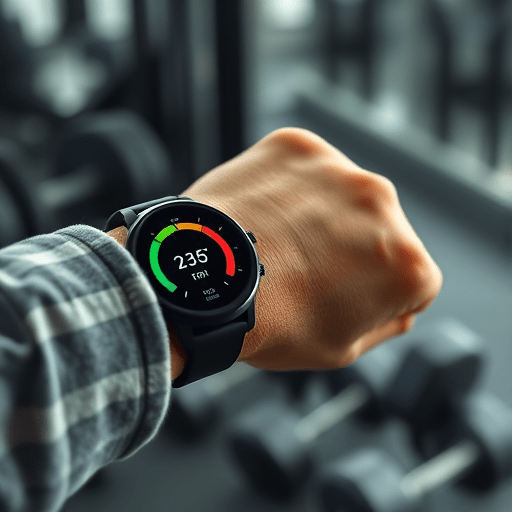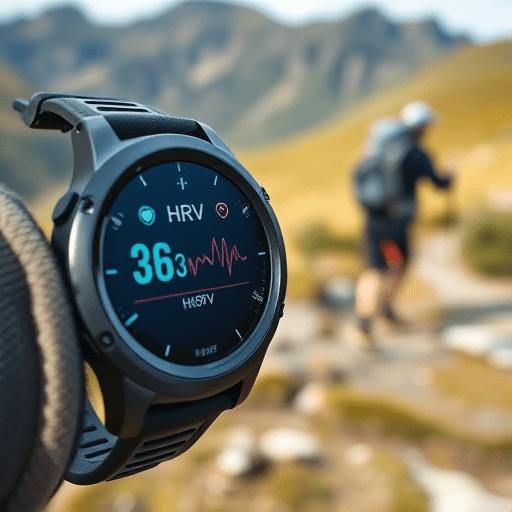
Adventure sports are fundamentally about pushing limits—summiting that peak, completing the traverse, or setting a new personal record on a technical trail. But the line between peak performance and dangerous overexertion is thinner than most athletes think. The smartest adventurers are now turning to the data on their wrists. Using smartwatch metrics to prevent overexertion in adventure sports is no longer just about tracking distance or pace; it’s about understanding your body’s recovery signals. Specifically, learning how to interpret HRV (heart rate variability) and resting heart rate (RHR) can help you spot risky physiological patterns long before they turn into emergencies.
The Shift from Strain to Recovery: Why Rest Data Matters
For decades, athletes judged their training by how hard they pushed. The modern smartwatch, however, has shifted the focus to recovery. The reason is physiological: overexertion doesn’t happen during the workout—it happens when your body fails to repair itself afterward. In the context of adventure sports, stressors are compounded. You’re not just dealing with physical effort; you’re dealing with altitude, dehydration, cold temperatures, and poor sleep in a tent or hut.
Smartwatch manufacturers have invested heavily in short and long-term trend analysis. The newest wearable algorithms don’t just show you yesterday’s numbers; they establish a personalized baseline and compare your daily metrics against it. This allows you to answer a critical question: “Is my body adapting to this environment, or is it breaking down?”
HRV Trends: Your Nervous System’s Early Warning System
Heart rate variability is the variation in time between each heartbeat. Contrary to what you might expect, a higher HRV is generally a sign of a well-recovered, adaptable nervous system. A lower HRV indicates that your body is under stress—whether from intense exercise, inadequate sleep, or the physiological strain of high altitude.
In 2026, the most advanced smartwatch platforms use AI to filter out noise and isolate true physiological shifts. Instead of focusing on a single morning reading, these systems analyze overnight HRV trends. This is where the safety value lies for adventure athletes.
Spotting the Pattern: The 10% Downward Drift
The biggest red flag for overexertion is a sustained downward trend. A single night of low HRV is common after a hard day. However, when your HRV drifts 10% or more below your established baseline for three to five consecutive days, it is a clear sign that your recovery systems are overwhelmed.
Consider a backcountry skier on a multi-day traverse. They might feel fine mentally, but the AI in their watch detects that their HRV is consistently tanking. This is the moment to consult the data and consider a rest day, a lower-mileage day, or a reduction in pack weight—before an innocent decision leads to a catastrophic lapse in focus on a technical descent.
Resting Heart Rate: The Unseen Strain on Your Cardiovascular System
Your resting heart rate is the number of beats per minute (BPM) your heart needs to pump blood while you are at complete rest. It is a powerful indicator of cardiovascular strain. In general, a higher RHR than usual suggests that your body is working overtime to maintain homeostasis, often due to accumulated fatigue, dehydration, or the increased metabolic demand of cold environments.
Modern smartwatches measure RHR automatically while you sleep, providing a highly consistent dataset. This is a significant improvement over manual morning measurements, which can be skewed by the anticipation of a big day ahead. By analyzing nocturnal RHR, you get a raw look at your body’s base physiological state.
Applying It to Adventure Sports: The Cardiovascular Drift Check
One specific pattern to watch is cardiovascular drift. This occurs when your heart rate gradually increases during a prolonged, steady-state effort (like a long trail run or a long day of mountaineering) even though your pace hasn’t changed. This drift is a primary indicator of dehydration and heat stress. Combining your watch’s real-time HR feed with an awareness of your baseline RHR provides crucial context. If your RHR was already elevated by 5 BPM in the morning, and then you see significant drift early in your activity, you are approaching unsafe fatigue levels far quicker than you would on a normal day.
Advanced Metrics: Putting the Puzzle Together
While HRV and RHR are the foundational pillars, modern smartwatches offer secondary metrics that help you avoid overexertion in complex environments. To get the full risk assessment picture, look at these alongside your core recovery data:
- Respiratory Rate (RR): An elevated respiratory rate during sleep can indicate respiratory stress, acute mountain sickness (AMS), or poor recovery. Awareness of your normal RR range helps you identify abnormal patterns early.
- Blood Oxygen (SpO2): Crucial for high-altitude adventures. A sudden drop in SpO2 combined with an elevated RHR and nosediving HRV is a major red flag for altitude-related issues like HAPE (High Altitude Pulmonary Edema).
- Recovery/Readiness Score: Most wearable platforms distill HRV, RHR, and sleep quality into a single composite score. While not as granular as raw HRV data, a sudden drop in this score is a built-in warning sign to adjust your plans for the day.
Building a 2026 Risk-Spotting Protocol for the Backcountry
Data is only useful if you have a system to act on it. To effectively use smartwatch metrics to prevent overexertion in adventure sports, you need a simple, repeatable protocol. Here is a framework used by many mountain guides and expedition athletes today:
- Establish a strict baseline: Do not wait until the trailhead to check your metrics. Wear your watch continually for at least two weeks, including rest days, to identify your personal normal ranges.
- Set your parameters: Decide on your personal thresholds before you leave the house. For example, “If my HRV is 15% below baseline or my RHR is 6 BPM above baseline, I will add a mandatory ‘easy hour’ to the beginning of my day or shorten the planned distance by 20%.”
- Contextualize the numbers: Recognize that a low HRV after ascending to 4,000 meters is a normal reaction to altitude. The critical thing is not the single low number, but how the slope of your recovery looks. Are you trending back toward your baseline over 48 hours?
- Respect the “Second-Day” Effect: In adventure sports, you often feel a surge of adrenaline on day one. Day two is when fatigue kicks in. Check your overnight recovery score before making a critical decision on a second-day summit push.
Conclusion: Turning Data into Safety
The backcountry will always hold inherent uncertainty, but your body’s response to it doesn’t have to remain a mystery. By mastering how to read HRV trends and resting heart rate patterns, you equip yourself with a personalized early warning system that goes far beyond simple intuition. The goal isn’t to chase perfect daily scores; it’s to notice the subtle shifts that signal trouble ahead. In doing so, you can adjust your pace, your route, or your rest strategy just in time to convert a potential emergency into a manageable—and memorable—adventure.