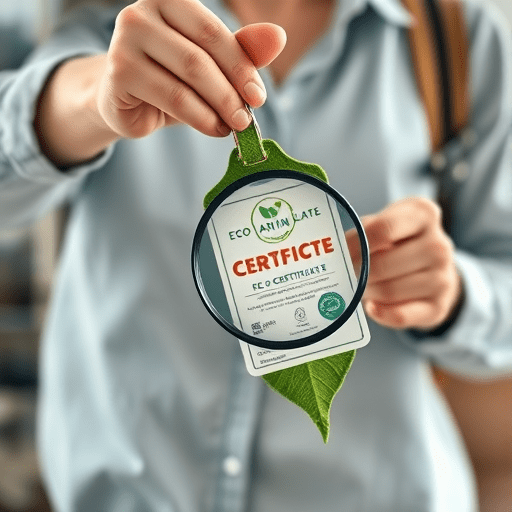
Planning a vacation with a clear conscience? You’re not alone. A growing number of travelers actively seek out accommodations and tours that claim to be sustainable. But the rise of eco-conscious travel has also given birth to a deceptive practice: greenwashing. When booking your next vacation, it’s easy to be swayed by leaf-covered logos and buzzwords like “carbon neutral” or “eco-friendly.” Yet many of these claims are vague, unverified, or simply false. To avoid greenwashing, you need to look beyond the label and ask the right questions—specific, probing ones that cut through marketing fluff. In this guide, we’ll show you exactly how to do that.
Why Eco-Labels Can Mislead Even the Savvy Traveler
Eco-labels were designed to help consumers make responsible choices. However, the certification landscape is a patchwork of standards, some rigorous and some toothless. No single global authority governs what counts as “green,” so companies often create their own labels or use trusted-looking icons without meaningful criteria. This lack of regulation means that a “sustainable” resort might simply have changed its towels or added a few solar panels, while ignoring water use, waste disposal, or the impact on local communities.
The good news is that independent certification bodies do exist—such as Green Key, EarthCheck, or Rainforest Alliance—but even those vary in strictness. Before trusting any badge, find out who issued it and what standards it enforces. If the label isn’t backed by a third-party audit, treat it as nothing more than a marketing strategy.
Common Greenwashing Phrases That Should Trigger Skepticism
Words are cheap. When browsing options for your next vacation, keep an eye out for these red flags on websites and booking platforms:
- “Eco-friendly” or “green” without any specific proof or measurable actions.
- “Carbon neutral” when the process relies only on purchasing offsets rather than reducing emissions.
- “Supports local communities” but no details on how they benefit or contribute.
- “100% sustainable”—a claim that’s practically impossible for any business.
- “Natural” or “organic” used loosely for experiences that have nothing to do with those standards.
These phrases aren’t necessarily lies, but they’re unhelpful without context. A responsible operator will quickly clarify how they achieve such claims.
The Right Questions to Ask Before You Book
Asking the right questions is your most powerful tool against greenwashing. Don’t rely on listings or brochures—contact the property or tour operator directly. Here are some questions that force deeper answers:
About Energy and Water
- What percentage of your energy comes from renewable sources, and how do you measure it?
- How do you manage water consumption, and what happens with wastewater?
About Waste and Materials
- How do you reduce single-use plastics, and what is your recycling rate?
- Are building materials locally sourced and sustainably produced?
About Community and Economy
- What portion of your revenue stays within the local economy?
- How do you ensure fair wages for all staff, including contract workers?
About Wildlife and Activities
- Do you follow any animal welfare guidelines? If so, please share them.
- How do you mitigate the environmental impact of excursions?
If an operator can’t answer these questions clearly or deflects with vague statements, that’s a significant red flag. Legitimate sustainability efforts are backed by data and transparent practices.
How Booking Platforms Can Distort the Truth
Booking aggregators like Expedia, Booking.com, and TripAdvisor have introduced their own sustainability badges. While convenient, these are often based on self-reported data from the property. A hotel can check a box and receive a “Travel Sustainable” badge without any on-site verification. Worse, the algorithms favor properties that participate in these programs, which means you might see a “green” badge on a place that ranks poorly on independent sustainability metrics. So, take platform badges as a starting point, not a guarantee.
Instead of trusting the badge, click through to the property’s own sustainability page, and look for names of third-party certifiers. If you can’t find any, or if the page is full of generic statements, treat the badge as a marketing feature. The best platforms today are starting to require more rigorous proof, but even in 2026, the responsibility still falls on you to verify.
How to Verify Sustainability Claims Independently
Don’t stop at asking questions—do your own homework. Independent verification can be done in a few steps:
- Search for the property name plus “sustainability report” or “environmental policy.” A real policy will be detailed and include specific numbers.
- Check for third-party certifications using a searchable directory, like the Global Sustainable Tourism Council’s standards list.
- Read recent reviews on specialized platforms like EcoHotels or Green Pearls, not just mainstream sites. Look for traveler comments about actual conservation efforts.
- Use satellite mapping tools to see if a coastal resort has caused obvious shoreline erosion or habitat destruction. This trick can reveal impact that marketing photos hide.
Also, consider reaching out to a local tourism board or conservation group near your destination. They often have the most accurate picture of which operators are truly responsible.
Red Flags in Eco-Resorts and Tours
Even with certifications, some common practices should give you pause. For instance, a beach resort that boasts “eco-luxury” but serves imported beef and has a large freshwater pool is probably skipping the hard parts of sustainability. Likewise, “voluntourism” packages that claim to help orphanages often do more harm than good. And be wary of boat tours that promise wildlife sightings while operating too close to feeding zones or breeding grounds.
Another sneakier tactic: some properties feature “sustainability” as an optional add-on, like paying extra to have your towels washed less often. That isn’t a comprehensive approach; it’s a rebranded housekeeping choice. Real sustainability is built into the business model, not a paid extra.
Making Your Decision Count
Once you’ve gathered enough information, you can book with confidence. Remember that no business is perfect—what matters is a demonstrable commitment to continuous improvement. Priorities may vary: maybe you focus on waste reduction, while another traveler values community impact. That’s okay. The goal is to reward companies that are transparently working toward better practices, while avoiding those that rely on slick language instead of action. Travel is a privilege, and your choices shape the industry. By choosing genuinely responsible operators, you send a clear signal to the market that greenwashing is unacceptable.
Conclusion
Avoiding greenwashing when booking your next vacation is less about finding a perfect “green” badge and more about developing a critical eye. Spot misleading eco-labels by checking who certifies them, question every sustainability claim you encounter, and always ask for concrete evidence. An operator that values accountability will welcome your questions; one that doesn’t is likely hiding something. Your conscious travel choices can drive real change—one vacation at a time.