Not long ago, buying gaming hardware meant staring at flagship GPU specs and dreaming about maxed-out ray tracing. The math has changed. Why 2026 gaming subscriptions are changing how we buy hardware comes down to a simple realization: a library of hundreds of playable titles matters less than the hardware that runs it well. Game Pass and PS Plus have quietly become the deciding factor in what GPU, what CPU, and sometimes whether any local hardware is needed at all.
The Subscription Economy Rewrites the Upgrade Cycle
The traditional upgrade cycle used to follow game releases. A big AAA launch arrived, and suddenly your rig felt old. In 2026, that rhythm is driven by subscription catalog updates instead. When a new day-one title lands on Game Pass or PS Plus, the pressure to own cutting-edge silicon drops because the service itself is the purchase — not the individual game.
That shift changes the question buyers ask. Instead of “what hardware do I need for this one game,” the question becomes “what hardware do I need to enjoy everything in my subscription comfortably?” For most people, the answer is no longer a flagship GPU, but a capable mid-range card that handles 1080p or 1440p at high settings without breaking a sweat.
Mid-Range GPUs Are the Real Winners
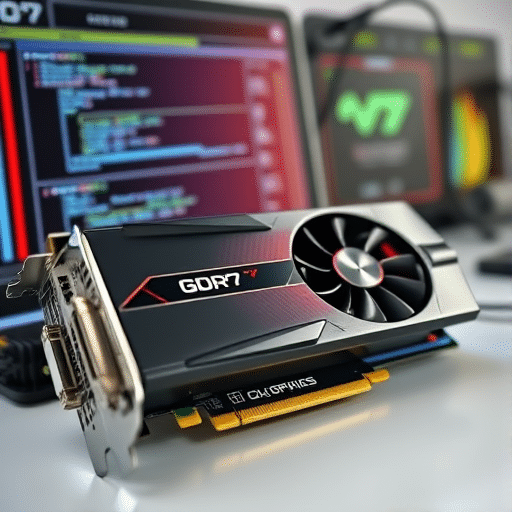
Walking through any hardware forum in 2026, the most common advice for subscription gamers is simple: buy mid-range. Cards in the performance tier, often sitting just below the flagship halo models, deliver excellent value for the Game Pass and PS Plus libraries. These games are optimized for the widest possible audience, meaning they tend to run well on mainstream hardware rather than requiring exotic cooling solutions or massive power supplies.
Steam hardware surveys and retail sales data both point the same direction. The mid-range segment is growing while the ultra-enthusiast tier shrinks in relative market share. That is not because interest in high-end gaming disappeared, but because subscription catalogs made great gaming accessible at a much lower hardware cost.
- Value per frame: Mid-range GPUs offer the best cost per frame at the resolutions most subscription games target.
- Lower total system cost: A mid-range GPU pairs comfortably with a modest CPU and power supply, trimming the full build price.
- Better longevity: Because subscription games tune for broad compatibility, mid-range hardware stays relevant for multiple generation cycles.
Cloud Streaming Defers the Need for Big Hardware
Cloud streaming has evolved from a tech demo into a genuine hardware deferral tool. Both Game Pass Ultimate and PS Plus Premium include streaming tiers that let players access their libraries without high-end local hardware. That changes the calculation for gamers who previously felt forced to upgrade their GPU every few years to keep pace with the latest releases.
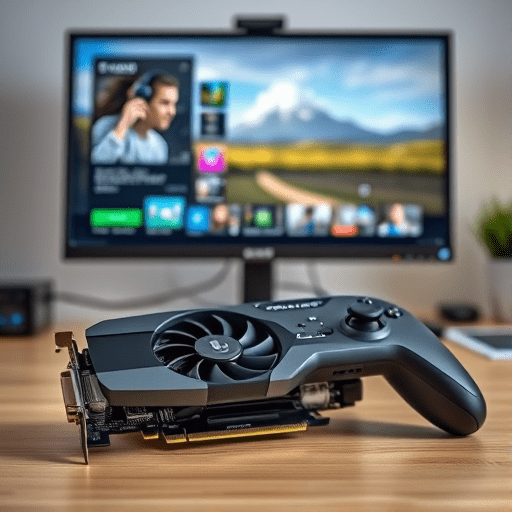
A laptop, a mid-range desktop, or even a handheld device can become the gateway to a full catalog if streaming latency and bandwidth are good enough. The result is a strange new reality: you can subscribe to a premium service, stream a demanding title, and never own the tower that runs it natively. For many, the cloud becomes not the backup option but the primary way to play.
How Game Pass and PS Plus Shape Specific Buying Decisions
The influence of subscriptions does not end at the GPU. It touches the entire hardware stack in ways that are easy to overlook.
Storage Priorities Change
Game Pass and PS Plus catalogs encourage installing several titles at once. A larger SSD has become more important than a faster processor for many subscribers. Space to keep multiple games ready to play beats raw compute when the library is the product.
RAM Demands Follow Catalog Trends
Because subscription titles span many genres and generations, memory needs are broader and less predictable. Sixteen gigabytes remains workable, but 32 gigabytes has quickly become the recommended territory for gamers who want zero friction when jumping between a new release and a classic they missed.
Refurbished and Last-Gen Hardware Gains Value
The used hardware market has also felt the subscription effect. A slightly older mid-range GPU that struggled with some recent AAA titles still handles subscription library favorites with ease. For new gamers joining through a service, refurbished hardware is an attractive entry point that extends the life of previous-generation components.
Building a Subscription-First PC in 2026
Building a PC around a subscription is now a legitimate planning strategy. The logic is straightforward: match your hardware to the services you already pay for, not to an imaginary future catalog that may never arrive.
For a Game Pass or PS Plus focused build, the sensible starting points are well established. A mid-range GPU, a competent but not extravagant CPU, a fast SSD, and enough RAM to keep several games installed. The money saved on the graphics card can fund additional subscription tiers or a better display, which arguably contributes more to the experience than chasing frame rates on hardware that most games cannot fully utilize.
The monitor matters too. With subscription games often optimized for 60 to 120 frames per second on mid-range hardware, a solid 1440p display with a decent refresh rate delivers more visible improvement than jumping one GPU tier higher. That is a quiet revolution in how people prioritize their budgets.
The Long-Term Impact on Hardware Value
Resale value and upgrade cycles are being reshaped by subscription momentum. Flagship GPUs that lose resale value quickly when the next model drops contrast sharply with mid-range cards that hold their worth because they remain perfectly good for years of subscription play. The risk of buying an expensive card that loses relevance fast is a real consideration for budget-conscious players.
Meanwhile, cloud streaming continues to muddy the traditional value equation. If a subscription can stream a game to nearly any screen, why invest in a bulky desktop at all? The answer for many is a hybrid setup: a modest local machine for low-latency competitive play and cloud streaming for everything else. That arrangement keeps hardware spending under control without sacrificing access to the full catalog.
Hardware manufacturers have noticed the pivot too. More effort now goes into optimizing drivers and partnerships for subscription ecosystems rather than chasing benchmark dominance in one synthetic test. The priorities of the platform have become the priorities of the GPU makers, which reinforces the loop: subscribe, play, and tune your hardware to the service rather than the other way around.
A Smarter Way to Think About Upgrades
What emerges from all of this is a more practical approach to buying hardware. Instead of asking “what is the most powerful component I can afford,” the smarter question is “what is the minimum hardware that makes my subscription fantastic?” The answer almost never involves flagship pricing.
For anyone building or upgrading in the current landscape, the path is clear: choose a solid mid-range foundation, prioritize fast storage and a good display, and let the subscription do the heavy lifting of providing content. Cloud streaming remains an excellent safety net for when local hardware comes up short, and the money you save can go toward more subscription value or better peripherals.
The era of upgrading your whole rig every time a hot new game launches is over. The subscription model rewards patience, flexibility, and a clear understanding of what your hardware actually needs to deliver. That is good news for most gamers, and it makes the hardware buying process more thoughtful and less driven by anxiety over specs that rarely make a measurable difference in everyday play.
The relationship between gaming subscriptions and hardware is no longer one-directional. Services did not just change the way we buy games; they changed the way we buy the machines that play them. And the trend is clearly pointing toward smarter, more modest, and more flexible purchases.