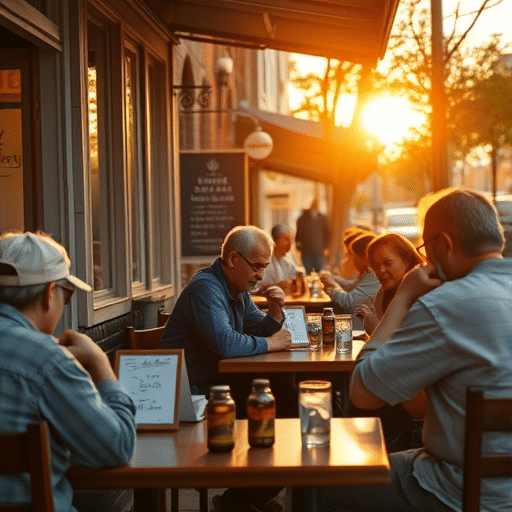
You can spend hours scrolling through algorithm-ranked restaurant lists, but the surest way to eat like a local is to search “[city] food blog where locals eat” for off-tourist-path recommendations. In 2026, as AI-generated roundups and sponsored listicles flood the top of search results, the humble “Where I Eat” guide written by a genuine local food blogger has become more valuable than ever. These personal, opinionated, and often wonderfully messy documents are not designed to rank for every keyword under the sun — they are designed to share the places the blogger actually visits on a Tuesday night. That’s exactly why they work.
The Problem with Popular Restaurant Roundups in 2026
Most mainstream restaurant lists share two big flaws. First, they are often compiled from a mix of press releases, Instagram popularity, and SEO keyword research. The result is a predictable selection of the same tourist-friendly spots that appear on every “best of” page. Second, because many of these articles are written by people who don’t live in the city, they tend to focus on the most visually dramatic or trendiest dishes rather than the meals that hold a neighborhood together.
Even worse, the rise of AI-generated content has made it easier to produce generic dining guides that rehash other people’s lists without any real-world testing. In 2026, you can find an entire “best pizza in Chicago” article that has clearly never been within a hundred miles of Chicago. This makes the human voice of a local blogger — with their half-finished sentences, inside jokes, and favorite corner tables — a refreshing and necessary counterweight.
When you search “[city] food blog where locals eat,” you’re not looking for a definitive directory. You’re looking for a diary written by someone who has eaten at the same counter twenty times and knows exactly what to order.
Why “Where I Eat” Guides Are Different
Local food bloggers who publish “Where I Eat” guides operate on a completely different logic than a typical “best restaurants” article. Instead of covering a broad, objective span of cuisines and neighborhoods, they give you a short list of places they personally love or visit regularly. This subjective approach is precisely what makes the recommendations reliable.
These guides often come with useful context that a generic list lacks: “This is where I go when I want soup dumplings at 9 p.m.,” or “The owner remembers my usual order, and the hollandaise is not for tourists.” That level of specificity helps you match the recommendation to your own mood and preferences. It also signals that the blogger has actual repeat experience with the restaurant, not just a press pass.
Another key difference is trust. A local blogger’s reputation depends on their readers not being disappointed. While a big publisher’s list might be influenced by advertising, a small independent food blog rarely gets paid restaurant placements. The blogger’s only incentive is to steer you toward the good stuff — because if they send you to a tourist trap, you’ll stop reading.
How to Find the Right Local Food Blog
Knowing that “Where I Eat” guides are useful is one thing; finding the right one is another. The best way to start is with a simple search operator. Use the exact phrase “[city] food blog where locals eat” to surface bloggers who have specifically positioned themselves as the antidote to tourism. Then deepen your search with these techniques:
Use Search Operators Effectively
- Try “[city] food blog where locals eat” -tripadvisor to filter out the big aggregator sites.
- Add a specific dish or neighborhood: “[city] food blog where locals eat” pho or “[city] food blog where locals eat” East Side.
- Search on platforms that favor personal writing: site:wordpress.com “[city] where I eat” or site:substack.com “[city] food diary”.
- Check social channels with a different phrasing: “[city] food blogger” “where I ate this week” or “[city] dining guide” “what I actually eat”.
What to Look for in a Reliable Guide
Not every food blog is created equal. Some “local” blogs are actually run by content farms or people who moved to the city six months ago. When you evaluate a guide, look for signs that the author has deep roots in the place:
- Longevity: Has the blog been posting for several years? Consistent archives are a good sign.
- Specificity: Does the author mention particular servers, street corners, or parking quirks? A detailed guide is a lived guide.
- Photography: Real, unpolished photos from a phone or point-and-shoot camera often indicate a genuine visit rather than a PR-provided shot.
- Unexpected choices: The best guides always include at least one unlikely pick — a gas station taco stand, a diner in a strip mall, a cash-only noodle shop. That’s the sweet spot.
- Updating: Check if the blogger periodically revises the guide. Restaurants change, and a 2019 guide may no longer reflect reality.
Making the Most of a “Where I Eat” Guide Once You’ve Found It
Finding a good local food blog is just the beginning. To truly eat like a local, you need to use the guide with a little strategy. Start by reading the entire post rather than skipping straight to the list. The blogger’s commentary around each pick matters as much as the pick itself — it gives you clues about how to order, when to arrive, and what to skip.
Next, cross-reference the guide with one or two other sources. This doesn’t mean checking Yelp, which is often dominated by tourists. Instead, look for a neighborhood subreddit, a local Facebook group, or another independent blog. If two or three credible local sources mention the same unassuming noodle shop, you know it’s the real deal.
You should also pay attention to the restaurant’s hours and seating style. Many off-the-tourist-path places are small, family-run operations with limited hours. A local blogger will often note these quirks: “They close at 2 p.m. and are frequently sold out by 1:30.” Take those warnings seriously.
And don’t be afraid to ask the blogger directly. Many local food bloggers are active on social media and are happy to answer a quick question like “I’m vegetarian — is the eggplant still the right call?” A short, cheerful reply is far more useful than ten more minutes of online research.
Case Study: A Day of Eating in a Mid-Sized City
Let’s imagine you’re visiting Richmond, Virginia, for three days. A generic search gives you the usual barbecue and craft beer spots. But you search “Richmond food blog where locals eat” and land on a thoughtful guide by a blogger who writes monthly about the city’s working-class eateries. The post lists a Vietnamese bakery in a former gas station, a soul food takeout window that serves lunch for under $10, and a Caribbean spot hidden behind a laundromat.
You follow the guide to the bakery for a Sunday-morning breakfast. There is no menu, but the blogger explained how to order the warm sesame ball stuffed with pork. You then walk over to the soul food window and join a line of regulars. Nobody else in line is taking photos, and the conversation at the counter is about the weather, not apps. At dinner, you sit in the tiny Caribbean restaurant, trying dishes you’ve never heard of while the owner explains the spice blend. This is not a “tourist experience.” This is just eating well in a city, guided by someone who knows it deeply.
The best part? None of these places had showy reviews or Instagram-worthy interiors. But every meal was memorable, authentic, and reasonably priced because you trusted a local voice over an algorithm.
When to Trust the Guide and When to Walk Away
No “Where I Eat” guide is perfect. A blogger’s personal taste might lean toward spice-heavy, deep-fried, or gluten-heavy dishes. If their favorite place is a fried chicken shack and you’re on a strict diet, that’s not the blogger’s fault. Read between the lines and adapt their preferences to your own needs.
Also, keep an eye on the date. A guide from 2024 might still be useful, but if many of the listed restaurants have closed, the blogger has stopped updating their work. In that case, look for a newer guide or reach out to the author via social media for a fresh recommendation.
And if a guide tells you that a specific dish at a specific restaurant is the best thing in town, don’t ask too many questions. Just go and order it. You can thank the blogger later.
Conclusion
As restaurant discovery becomes increasingly automated, the “Where I Eat” guide offers a simple, human antidote. Local food bloggers are not just writers — they are your well-fed friends who happen to share their best kept secrets. By searching “[city] food blog where locals eat” and then applying a little judgment, you’ll skip the tourist traps and eat the meals that people actually cook and crave. That’s the real taste of a place, and it’s worth a few extra minutes of searching.