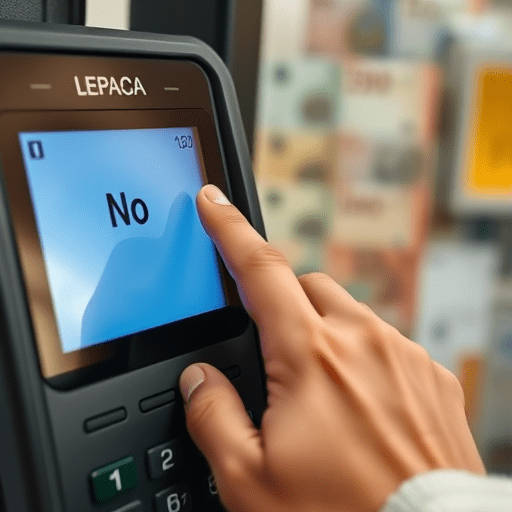
The payment terminal hums, the screen flashes, and then a simple question appears: “Do you accept the conversion to U.S. dollars?” Without thinking, you tap “Yes” and immediately lose money. This is dynamic currency conversion (DCC), and the golden rule for frequent travelers is simple: always decline dynamic currency conversion, no matter how convenient it looks. In 2026, as international travel rebounds and card networks push smarter, more aggressive point-of-sale software, understanding DCC has never been more critical. The short version: if you want to save up to 8% on every purchase abroad, choose the local currency and never let the bank or merchant pick the exchange rate for you.
What Is Dynamic Currency Conversion and Why Do Banks Push It?
Dynamic currency conversion is a service offered at foreign ATMs, card readers, and online checkouts that instantly converts your purchase into your home currency. It sounds helpful—you can see exactly what you’re paying in familiar numbers. But that convenience comes with a hidden markup. The exchange rate used for DCC is set by the ATM operator or the payment processor, not by Visa, Mastercard, or your own bank. In 2026, many of these processors have become even more sophisticated, automatically detecting your card’s country and displaying a pop-up that defaults to “Yes, convert my purchase.”
The problem? DCC typically adds 3% to 8% on top of the real exchange rate. That’s not a small rounding error; it’s often the entire profit margin for a café or merchant who gladly accepts the terminal’s incentive to push the conversion. Banks and terminal providers earn hefty commissions from DCC, which is why you’ll see it offered at nearly every tourist hotspot, duty-free shop, and international ATM. Remember this: when a machine asks you to choose “USD” instead of the local currency, the person making the offer is not your friend.
Spotting the DCC Trap at Foreign ATMs and Card Readers
In 2026, DCC is no longer a clunky, easily ignored checkbox. New payment terminals use dynamic interfaces that can flash bold buttons with your home currency’s symbol, or even show the local equivalent in a tiny font. To protect yourself, learn the exact phrases that signal DCC:
- “Convert to your home currency”
- “Charge in USD / EUR / GBP” (or whatever your card is issued in)
- “View amount in your local currency”
- “Cardholder preferred currency”
- “Merchant conversion” (as opposed to “bank conversion”)
At ATMs, the trick often happens after you enter your PIN. The screen asks if you want to “Continue in USD” or “See exchange rate and charge in USD.” Always select the local currency option—even if the local currency is unfamiliar. At card readers, the same logic applies: choose “No” or “Decline” when asked to convert, and always opt to be charged in the country you’re currently in. If the payment terminal forces you to choose one or the other, the local currency option is the safe one.
The Real Cost of Accepting DCC: A 2026 Example
Imagine you’re in Lisbon, buying dinner for €75. The card reader offers to charge you in U.S. dollars at an exchange rate of 1.20, meaning you’ll pay $90. Your bank’s actual card network rate, however, is 1.08 – and if your card has a 0% foreign transaction fee, you’d pay only $81. That’s a $9 difference on a single meal. Now multiply that by every hotel, taxi, museum, and coffee stop during a two-week trip. You could easily lose $200 or more—money that should pay for a nice tour or a better hotel room.
But wait, you might be thinking: “My bank charges a foreign transaction fee anyway, so doesn’t DCC just combine it into one fee?” Not necessarily. Even if your bank charges 3% for non-USD purchases, DCC charges can be double that. Furthermore, DCC fees often appear as an opaque “administrative fee” on your statement, making it difficult to spot the damage until months later. In 2026, travelers also face a new twist: some digital wallets and “tap-to-pay” terminals now offer DCC through a two-step confirmation process, hoping you’ll tap “Yes” out of habit. Stay alert.
Practical Steps to Always Decline Dynamic Currency Conversion
The most straightforward hack is to make a habit of choosing “No” every single time a payment device offers to convert. To help you remember, here’s a mental checklist:
- Always pick the transaction in the local currency (e.g., EUR in Spain, THB in Thailand).
- At ATMs, look for the “No conversion” or “Without conversion” option – sometimes it’s hidden behind a “More options” button.
- Before traveling, set a reminder on your phone: “Always decline DCC. Pay in local currency.”
- Use a credit card that has no foreign transaction fees, so the local currency charge is aligned with the wholesale exchange rate.
- If you carry cash, avoid ATM networks that show you a “guaranteed rate” upfront – that’s a red flag.
Another useful trick: when using a contactless card or phone wallet, some terminals ask for confirmation before showing the currency option. If you notice your home currency symbol popping up, cancel the payment and start again. It takes an extra ten seconds, but that’s a small price for saving 5% on every purchase.
What to Do if You’ve Already Been Hit by DCC
If you accidentally accept DCC, don’t panic. You can often dispute the charge with your card issuer. Call your bank, explain that dynamic currency conversion was applied without clear consent, and ask for a fee reversal. In many jurisdictions, consumer protection laws require merchants to offer a transparent choice between local currency and home currency, with the exchange rate clearly displayed. If the terminal didn’t show the exchange rate before you confirmed, you have a strong case. Submit your receipt, a screenshot of the transaction, and note the date and location. Your bank may also re-initiate the transaction in local currency as a “re-presentment,” which can take a few days but is worth the effort.
For most travelers, however, the simplest approach is prevention. In 2026, payment technology is evolving—some terminals now ask a single question with two buttons: “Local currency” (smaller, less prominent) and “Your home currency” (bigger, more colorful). That design is intentional. The entire business model of DCC depends on people clicking the wrong button. Knowing this, you can train yourself to spot the trap in milliseconds.
Smarter Payment Habits for International Travel
Beyond declining DCC, consider carrying a no-foreign-fee debit or credit card as your primary travel card. Use local currency for cash withdrawals, and always choose “POS” (point of sale) purchases over cash advances. Keep a little local cash for street vendors and small shops that don’t accept cards—because even those can surprisingly offer DCC through mobile card readers. And if you’re traveling to a country with a volatile currency, remember that DCC isn’t just about the rate; it also locks you into an unfair conversion at a moment when the currency might weaken further. The local currency transaction gives you the flexibility to benefit from fluctuations.
Another pro tip: check your credit card statement for a line item called “Foreign currency conversion fee” that appears separate from the transaction. That’s the DCC marker. If you see it, you’ve been charged extra. In 2026, several major banks have introduced apps that let you dispute these fees in real-time, but you must be logged in within 24 hours to catch some deadlines. So make it a habit to check your transactions nightly during your trip. It only takes a minute.
The Bottom Line: Keep Your Money in Local Currency
Dynamic currency conversion is a cleverly disguised rip-off that preys on travelers who value convenience over caution. The rule is universal and timeless: always decline dynamic currency conversion when it’s offered, and always insist on paying in the destination country’s currency. It doesn’t matter if you’re using a physical card, a mobile wallet, or an ATM. The savings add up quickly, turning your vacation budget from a source of hidden leaks into a well-managed fund for memorable experiences.