Designing live operations for low-connectivity markets used to mean accepting lower engagement numbers as an inevitable cost of doing business. In 2026, that trade-off is no longer necessary. Offline-first live ops — an approach that treats connectivity loss as a normal player state rather than an edge case — is now a practical, competitive strategy. By pairing local-first timers with queued rewards, game teams can keep live events feeling urgent, generous, and fun even when players are offline for hours, or days.
This article unpacks the design decisions behind offline-first live ops: how to build timers that tick reliably without a server, how to deliver rewards that stay meaningful after a drop, and how to shape entire event architectures around intermittent connectivity.
Why Offline-First Live Ops Became a Necessity
Connectivity in much of the world is not a binary state but a flicker. Coverage may be strong in a city center, but crowded cell towers, power cuts, and expensive data plans create frequent, unpredictable gaps in service. Emerging markets across Southeast Asia, Latin America, and Africa account for a growing share of mobile game revenue, and those players face more disconnections than most analytics dashboards reveal.
The old live-ops mindset was built for permanently online sessions: event timers start, players grind, rewards drop, and if a connection fails, the player misses the moment. Offline-first live ops flips that assumption. Instead of punishing a drop, the game continues to compute progress locally, stores pending outcomes, and reconciles everything when the network returns. The result is a live event that never truly goes dark.
Local-First Timers: The Backbone of Resilient Events
A local-first timer is exactly what it sounds like: a countdown that runs on the player’s device, not on a remote server. The timer starts when an event begins, ticks down during disconnects, and only pauses or adjusts when the server confirms a state change at the next reconnect. This small technical shift has a massive impact on player psychology. When a timer doesn’t freeze mid-drop, the event remains present in the player’s mind, even if the game can’t reach the network.
Implementing local-first timers isn’t just about running a clock client-side. It requires a design system that treats the server as a validator rather than a real-time source of truth.
Designing Timers Players Can Trust
Trust is the foundation of any timer-based live op. If players suspect a timer is lying to them, the event loses all urgency. Use these principles:
- Show state, not just time. Tell players whether a timer is actively counting down, paused due to a connectivity handshake, or capped at a maximum offline duration.
- Define grace windows. When a player reconnects after a drop, apply a short buffer (15–30 seconds) before the server recalculates time. This absorbs clock drift and network latency without feeling punitive.
- Reconcile quietly. Server-side adjustments should happen in the background. A small toast notification like “Event updated” is enough; a full-screen error breaks immersion.
Preventing Common Local-First Pitfalls
Local-first timers solve engagement problems, but they also introduce new failure modes. Plan for these:
- Clock manipulation. Players can set their device clock backward to extend timers. Use a persistent monotonic clock that measures elapsed time since first install, and enforce server-side sanity checks on reconnect.
- Timer accumulation. If an event is designed for three daily windows but a player is offline for a week, local-first logic may stack all windows into a chaotic queue. Cap the total offline accrual and prioritize the most recent event objectives.
- Reconnect storms. When thousands of clients reconnect after a regional outage, mass timer validation can overwhelm the backend. Batch reconciliation and stagger sync requests to keep servers stable.
Queued Rewards: Delivering the Drop Even When Players Are Away
Timers keep an event alive in the player’s imagination, but rewards are what make it worth returning to. In an offline-first live ops model, queued rewards are the safety net that turns a missed drop into a saved opportunity. Instead of losing an event milestone because the network vanished, the player earns the reward conditionally and receives it on the next successful connection.
The simplest approach: when a player completes an event objective while offline, the client stores that progress locally. At reconnect, the server validates the progress, approves the reward, and queues it for delivery. This flow ensures that a disconnect never erases player effort.
Making Queued Rewards Visible Before Reconnection
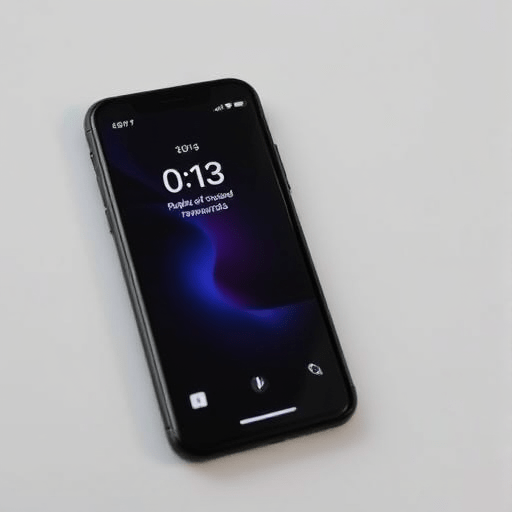
Players who are offline can’t open the game to see their pending rewards, but they can see notifications. Use system-level alerts and lock-screen summaries to tell a player that a reward is waiting for them when they return. This small cue dramatically increases the likelihood that the next session starts with excitement rather than confusion.
- Reward preview. Show a “Pending Rewards” badge on the main menu with a breakdown of what was earned and when.
- Containment. Do not let queued rewards flood the inbox after a long absence. Cap the queue at a reasonable number, and let older, less valuable rewards expire with a clear explanation.
- One-tap claim. Make the post-reconnect reward claim fast. The energy that comes from claiming multiple pending rewards should launch the player back into gameplay, not into a multi-screen inventory loop.
Structuring Reward Queues for Long Disconnections
Players in low-connectivity markets may not return for days. A reward queue must handle that reality without feeling like a parody of abundance. Prioritize rewards by event type and exclusivity; a unique event skin should always outrank a generic boost pack. And if the player was offline during a limited-time event that has already ended, allow the reward to remain in the queue for a grace period after reconnection, so they still feel the event’s legacy.
Event Architectures for a Drop-Tolerant World
Local-first timers and queued rewards work best inside an event architecture designed around connectivity tolerance. But reshaping the architecture is the real test of an offline-first live ops philosophy. The following patterns have proven effective in 2026.
Per-Player Event Windows
Global event windows with a single start time punish players who cannot connect at the exact moment the event begins. Instead, use per-player windows: the event starts for each player the first time they open it, then runs for a fixed duration, like 48 hours. This converts a live op from a mass-synchronization exercise into a personalized drop-tolerant experience. The live aspect is preserved because every player shares the same theme and reward pool, even if their clock starts at different moments.
Capped Offline Progression
Some events should allow limited progress while offline so the player never feels completely stalled. For instance, a battle-pass XP bar can accumulate half-speed while the player is disconnected, up to a daily cap. This prevents high-engagement players from falling irreparably behind during a connectivity outage. The cap keeps the server’s validation workload manageable and avoids rewarding players who never log in.
Catch-Up Tokens
Players who return after a long drop need a bridge back into the event’s momentum. Catch-up tokens, granted automatically upon reconnection, allow a player to complete the most recent event challenge they missed, but not the entire event. This design respects the player’s time while maintaining scarcity, ensuring that live events still feel earned.
Testing and Observability for Low-Connectivity Events
A live-ops system built for offline resilience cannot be tested through standard always-on QA flows. To understand how local-first timers and queued rewards behave in the wild, teams need to simulate the chaos of real-world connectivity.
- Network throttling suites. Run automated tests that drop packets at random intervals, simulate one-minute outages during event phases, and force reconnects mid-reward-claim.
- Observer metrics. Track offline session length, reconnect completion rate, and the conversion rate of pending rewards. These numbers reveal whether players return and complete their event goals after an offline stretch.
- Telemetry on timer discrepancies. Log the difference between the client’s local timer reading and the server’s validated reading. Large deviations point to clock issues or cheating patterns.
Teams that invest in these observability layers see clearer signals about what low-connectivity players actually need, turning offline-first live ops from a guess into a continuous improvement loop.
Designing for the Flicker, Not the Failure
The shift to offline-first live ops is a shift in perspective. A dropped connection should not be seen as a player abandoning the event, but as the event entering a temporary state of limbo, waiting for the player to resurface. By using local-first timers to keep events ticking and queued rewards to keep rewards alive, 2026’s live events can stay engaging for everyone, no matter how often the network decides to blink.