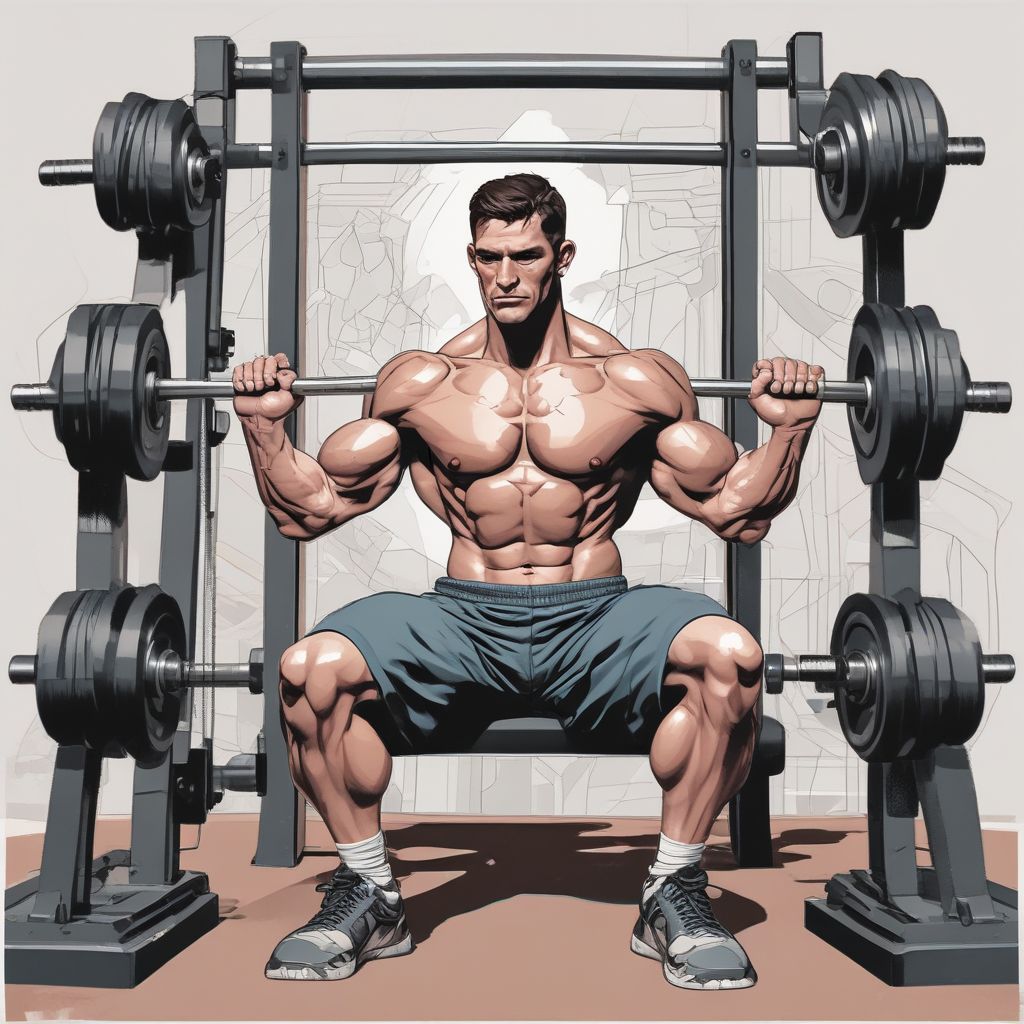
3-Minute Power Clusters are a practical, evidence-backed training format that lets busy athletes squeeze meaningful strength and endurance gains into short windows of time. By combining ultra-short, high-intensity clusters of work with frequent repetition across the week, this approach leverages metabolic stress, neural stimulus, and recovery-friendly volume to produce measurable improvements without long gym sessions or wearables. Below are easy-to-follow routines, recovery hacks, and simple wearable-free tracking methods to help you adopt this protocol safely and sustainably.
What Is a Power Cluster and Why 3 Minutes?
A power cluster is a brief block of repeated short efforts separated by very short rests, designed to concentrate intensity and maintain quality across sets. The three-minute block is long enough to include multiple micro-sets (for example, six 20–30 second efforts) but short enough to keep metabolic fatigue manageable so you can repeat the block multiple times per day or several times per week. Research on cluster training and high-frequency, low-volume approaches shows that frequent neural stimulus and moderate metabolic stress can improve strength, power, and aerobic capacity while minimizing joint and central nervous system overload.
How to Structure a 3-Minute Power Cluster
- Cluster length: 3:00 total (work + micro-rests).
- Micro-sets: 6–9 efforts of 15–30 seconds or 6–12 reps depending on exercise modality.
- Intensity: 70–90% effort for strength/power; 80–95% perceived effort for conditioning blocks.
- Recovery between clusters: 3–8 minutes passive or light active recovery depending on goal and fatigue.
- Frequency: 3–6 clusters per week for each movement pattern, or 1–3 clusters per day for high-frequency models.
Sample Evidence-Backed Routines for Busy Athletes
Strength-Focused Cluster (Lower Body)
- Warm-up: 5 minutes dynamic mobility + 2 light sets of 5 reps.
- Cluster: 3-minute block of back squat micro-sets — 6 efforts of 3 reps @ ~80% 1RM with 20–30 seconds between efforts (adjust load so form is perfect).
- Repeat: 2–3 clusters with 4–6 minutes recovery between clusters. Total time ~20–30 minutes.
- Progression: Add 1 rep per effort, increase weight 2–5% every 1–2 weeks, or add an extra cluster as recovery allows.
Endurance-Focused Cluster (Cardio)
- Warm-up: 5 minutes easy jog/cycling.
- Cluster: 3-minute block composed of 6 x 20-second hard efforts (run/row/bike) with 10 seconds easy between efforts — aim for 85–95% RPE on hard efforts.
- Repeat: 3–5 clusters with 3–5 minutes easy recovery or marching between clusters. Total time ~25–35 minutes.
- Progression: Reduce micro-rest to 5 seconds or add one more hard effort per cluster as fitness improves.
Hybrid Cluster (Full-Body Strength + Conditioning)
- Warm-up: 5 minutes mobility + banded activation.
- Cluster (3 minutes): Alternate 30 seconds kettlebell swings (power) + 30 seconds push-ups (strength) + 30 seconds bodyweight jump squat (conditioning) — repeat once.
- Repeat: 3 clusters with 3–4 minutes active recovery. Total time ~25 minutes.
- Progression: Increase resistance, add a rep, or replace bodyweight movement with weighted variation.
Recovery Hacks to Keep Frequency High
High-frequency programs demand smart recovery to avoid cumulative fatigue. Use these practical, evidence-aligned hacks:
- Sleep quality: Aim for consistent bed/wake times and 7–9 hours nightly; sleep drives hormone recovery and neural adaptation.
- Nutrition timing: Prioritize a 20–40g protein intake within 1–2 hours post-cluster and maintain balanced carbs on high-volume days.
- Active recovery: Low-intensity movement (walking, mobility circuits) the day after heavy clusters enhances circulation without impairing gains.
- Contrast and compression: Brief contrast showers or compression garments can reduce perceived soreness and speed return to training.
- Auto-regulation: Use Rate of Perceived Exertion (RPE) to lower intensity on days with high fatigue — maintain frequency but reduce load.
Wearable-Free Progress Tracking
Meaningful progress doesn’t require a smartwatch. Simple, consistent metrics work well for 3-Minute Power Clusters:
- Rep Quality Log: Track number of micro-efforts completed with perfect technique and any deviations (e.g., “6/6 clean reps at RPE 8”).
- Per-Cluster RPE: Record perceived exertion for each cluster; stable or lower RPE at the same load indicates improved fitness.
- Volume and Load Diary: Note weight, reps per micro-effort, and clusters completed; small weekly increases signal progression.
- Simple Performance Tests: Weekly or biweekly mini-tests (e.g., 1RM builder rep, 3-minute max calories row, 20-rep push-up test) provide objective comparison points.
- Video Check-ins: Take a 30–60 second video monthly to assess form and speed — visual feedback beats raw step counts for technique-driven gains.
Safety, Warm-Up, and When to Back Off
Because clusters prioritize quality, warming up well and selecting appropriate loads are essential. Always start a block with mobility and two light rehearsal sets, keep core braced during heavy micro-sets, and pause progression if RPE rises suddenly, sleep drops, or movement quality degrades. If pain (not normal post-workout soreness) appears, regress to bodyweight or reduce frequency and consult a professional.
Programming Tips for Busy Schedules
- Micro-dosing: Schedule 1–2 clusters in the morning and 1 in the evening on busy days to split volume while maintaining intensity.
- Priority first: Place strength clusters before demanding work or long meetings to ensure high-quality effort.
- Weekly layout: Mix strength and endurance clusters across the week (e.g., strength Mon/Wed/Fri, endurance Tue/Thu) to balance stimulus and recovery.
3-Minute Power Clusters are a flexible, evidence-aligned tool for athletes who need maximal returns from minimal time. With disciplined progress tracking, smart recovery hacks, and attention to movement quality, this ultra-short, high-frequency approach can build both strength and endurance without a single wearable.
Ready to try your first 3-minute cluster? Pick one sample routine above and schedule it today — your next PR may come in 3 minutes.