Zero-Carbon Desert Camp: Solar‑Powered Nomad Villages Revolutionizing Wadi Tourism
Wadi tourism has long captivated travelers seeking the raw beauty of desert oases, but the industry’s traditional infrastructure often clashes with the fragile ecosystems it showcases. The emerging concept of a Zero‑Carbon Desert Camp—a solar‑powered nomad village that balances comfort with ecological responsibility—offers a compelling solution. By harnessing renewable energy, local materials, and community engagement, these camps not only minimize their environmental footprint but also create climate‑positive experiences for guests and residents alike.
Why Wadi Tourism Needs Sustainable Solutions
The Environmental Footprint of Conventional Desert Resorts
Conventional resorts in desert regions typically rely on diesel generators, imported water, and non‑renewable building materials. According to the World Tourism Organization, tourism accounts for 8% of global greenhouse gas emissions, with desert hotels contributing disproportionately due to high energy demands for cooling and lighting.
- Heavy dependence on fossil fuels for electricity.
- Irrigation and water transport deplete local aquifers.
- Construction materials sourced from distant locations increase carbon emissions.
Climate‑Positive Potential of Solar Energy
The desert’s abundant sunlight offers an ideal setting for solar power. When coupled with efficient storage systems, solar energy can deliver reliable, low‑emission electricity, reducing dependence on diesel and cutting operational costs. Moreover, solar installations can be integrated into the architecture, preserving the aesthetic harmony of the wadi landscape.
Design Principles of a Zero‑Carbon Desert Camp
Solar Power Infrastructure
At the heart of a zero‑carbon camp lies a robust solar microgrid. Key components include:
- Photovoltaic Panels—high‑efficiency, dust‑resistant modules tailored for arid climates.
- Battery Storage—Li‑ion or solid‑state batteries that buffer night‑time usage.
- Smart Inverter System—enables load balancing and remote monitoring.
- Hybrid Backup—minimal diesel usage reserved for peak demand or emergencies.
Sustainable Materials and Construction
Building a camp that respects the desert environment requires careful material selection:
- Reclaimed Stone and Locally Sourced Timber—reduce transportation emissions.
- Permeable Concrete—allows rainwater infiltration, mitigating flash‑flood risks.
- Use of natural insulation (e.g., sheep’s wool, cork) to maintain temperature stability.
Water Conservation & Waste Management
Water scarcity is a pressing concern. Zero‑carbon camps employ:
- Greywater recycling systems for irrigation.
- Solar‑powered desalination units for drinking water.
- Compost toilets and a zero‑waste policy that encourages reuse and biotransformation.
Integration with Local Ecosystems
Rather than imposing on the landscape, these villages blend seamlessly by:
- Preserving native flora during construction.
- Implementing dune stabilization projects.
- Offering guided educational tours that highlight desert biodiversity.
Real-World Examples
The “Sahara Solar Village” in Morocco
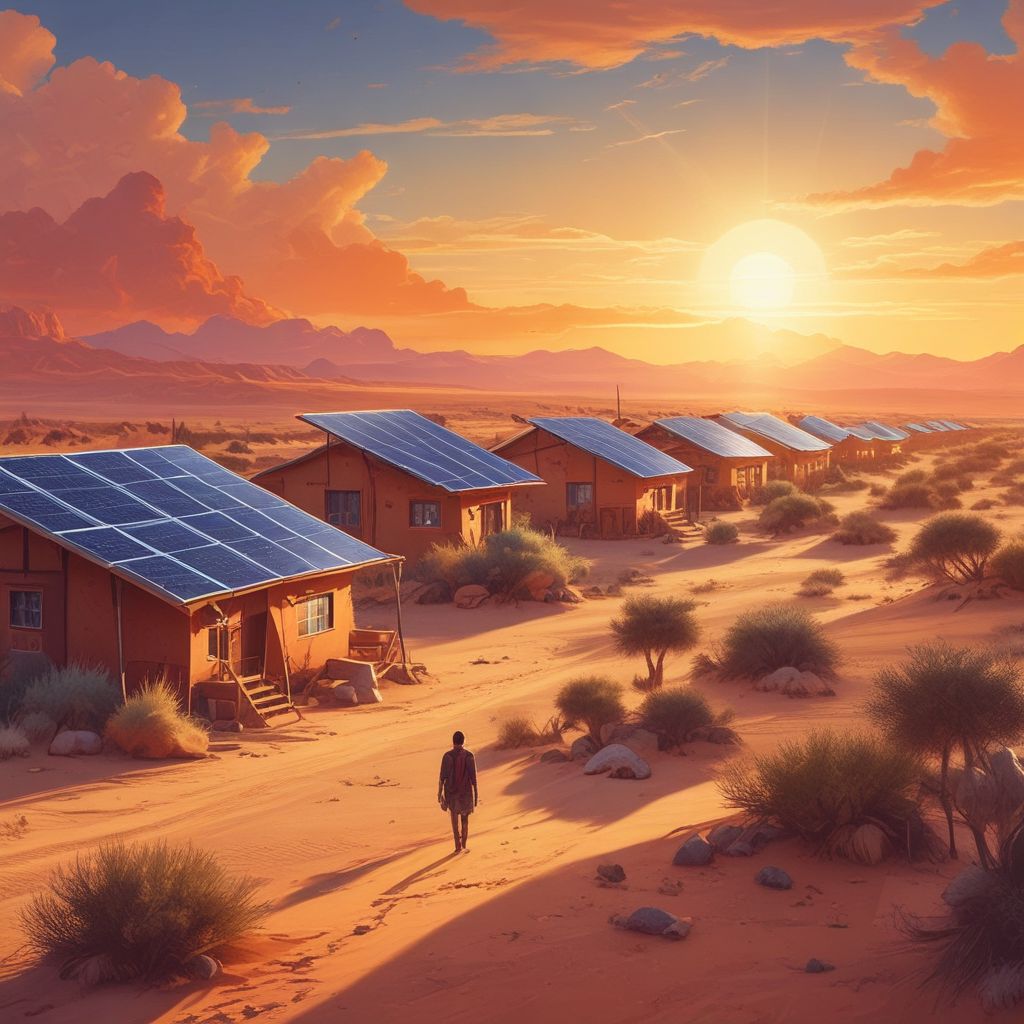
Built on the edge of the Merzouga dunes, this village houses 30 solar‑powered tents, a communal dining hall, and an education center. The camp achieved net‑zero carbon status in 2023, generating 100% of its energy from a 1.2 MW PV array.
The “Karakoram Nomad Hub” in Pakistan
Located near the Hunza Valley, this eco‑village features modular yurts constructed from reclaimed bamboo and local stone. The microgrid includes a 500 kWh battery bank and a small wind turbine to supplement solar during cloudy periods.
Community Involvement and Cultural Preservation
Both projects partnered with local nomadic tribes to incorporate traditional crafts into the guest experience—hand‑woven rugs, pottery, and storytelling sessions—ensuring cultural continuity while generating income for residents.
Guest Experience: Climate-Positive Adventures
Immersive Activities
Guests can explore the wadi’s hidden springs on camel treks, participate in stargazing sessions that highlight the pristine desert night sky, or join workshops on traditional desert cooking using solar ovens.
Educational Outreach
Solar technicians conduct daily briefings, allowing travelers to witness the power of photovoltaic technology firsthand. Climate talks featuring local scientists raise awareness about desert conservation.
Low-Impact Practices
Each tent operates on a zero‑waste policy: biodegradable toiletries, reusable utensils, and a strict “pack‑in, pack‑out” rule for trash. Food is sourced from local farms, reducing food miles.
Business & Economic Impacts
Cost‑Benefit Analysis
Initial capital outlay for solar infrastructure is offset by reduced operating costs. Over a five‑year period, camps typically recover investment through lower energy bills, increased visitor spending on local products, and potential government subsidies for renewable projects.
Job Creation & Skill Development
From solar installers to hospitality staff, the camp creates a diverse range of jobs. Training programs in renewable technology empower locals and reduce skills gaps.
Policy Support & Incentives
Governments in Morocco and Pakistan have introduced tax breaks for solar energy projects, and several NGOs offer grants for sustainable tourism initiatives, facilitating the scaling of zero‑carbon camps.
Challenges & Future Directions
Technical & Supply Chain Constraints
High‑quality solar panels and batteries can be costly, and supply chain disruptions—especially for rare earth materials—pose risks. Diversifying suppliers and investing in local manufacturing can mitigate these issues.
Balancing Authenticity & Modernity
Maintaining cultural authenticity while incorporating high‑tech solutions requires thoughtful design. Engaging cultural historians and local artisans ensures that modern amenities complement, rather than override, traditional aesthetics.
Scaling Up & Replicating the Model
While individual projects demonstrate viability, replicating the model on a larger scale demands coordination among governments, NGOs, and private investors. Developing modular, prefabricated components can accelerate construction timelines and reduce costs.
Conclusion
Zero‑Carbon Desert Camps illustrate that luxury and sustainability can coexist, delivering unforgettable adventures while safeguarding fragile desert ecosystems. By harnessing solar power, using local materials, and empowering local communities, these camps transform wadi tourism into a climate‑positive force for the planet.
Book your next adventure at a zero‑carbon desert camp and experience the future of sustainable tourism today.