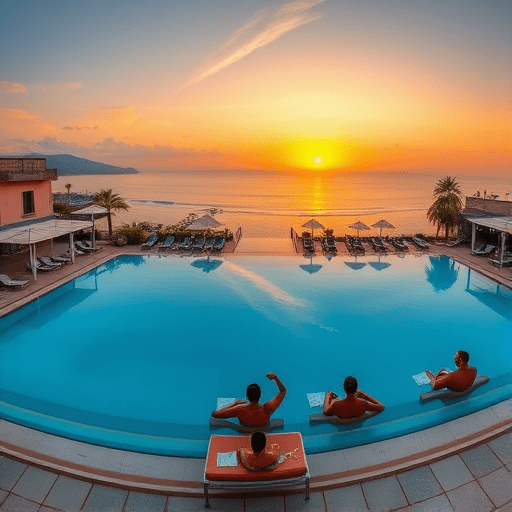
Booking a luxury resort is often about striking a balance between premium experience and smart spending. For travelers who want the most bang for their buck, timing the reservation is as crucial as choosing the right property. By leveraging seasonal heatmaps, you can pinpoint low-price windows, increase the likelihood of complimentary upgrades, and enjoy a more relaxed, indulgent vacation without breaking the bank.
1. Understanding Seasonal Heatmaps: The New Currency of Smart Travel
Heatmaps have become the go-to visual tool for travelers seeking data-driven decisions. In the context of luxury resorts, these maps display price fluctuations across the year in a color-coded format—cool blues indicate lower rates while warm reds signal peak pricing. The advantage? Instead of guessing when to book, you can see concrete patterns that reflect supply, demand, and local events.
Why Heatmaps Matter for Upscale Travelers
- Predictive Pricing: Hotels adjust rates in response to occupancy levels and local calendars; heatmaps capture these trends in real time.
- Upgrade Probability: Lower price windows often correlate with higher inventory, increasing the chances of receiving room upgrades or perks.
- Customization: Some platforms allow you to filter by resort brand, amenities, or even room type, giving you a tailored view of optimal booking times.
2. The Science Behind Low‑Price Windows
Low-price windows aren’t random; they result from a combination of market forces and resort strategies. Resorts typically open booking windows months in advance and set dynamic pricing to maximize revenue. When occupancy dips, they reduce rates to attract guests—often the same periods when travelers can snag upgrades.
Supply & Demand Dynamics
During off-peak months, resorts anticipate fewer visitors, so they lower rates to fill rooms. This is when early‑bird travelers and last‑minute planners alike can capture discounted rooms. Conversely, during high-demand seasons—holidays, local festivals, or extreme weather windows—prices surge, and the likelihood of free upgrades diminishes.
Operational Constraints and Upgrade Opportunities
Resorts often reserve a portion of their inventory for corporate clients or loyalty members. When room occupancy falls below a threshold, they may open up these slots for general guests, leading to complimentary upgrades or extras such as spa credits.
3. How to Read a Heatmap: A Step‑by‑Step Guide
Reading a heatmap may seem intimidating at first, but once you understand the basics, it becomes a powerful tool. Below is a quick guide tailored to luxury travelers.
- Identify the color scale: Most platforms use blue (lowest) to red (highest). Hover over the color bars to see exact price ranges.
- Spot the dips: Look for stretches of blue or light green that extend over several weeks or months.
- Check the length of the low-price window: A single week may be less attractive than a continuous month of discounted rates.
- Cross‑reference with resort calendars: Verify that the low-price window doesn’t overlap with major events that might inflate demand.
- Factor in your travel style: If you’re flexible, aim for the longest stretch of low prices. If you have fixed dates, look for any blues within that period.
4. Case Study: 2026 Caribbean Resorts
To illustrate how heatmaps can work in practice, let’s examine the 2026 Caribbean season. According to our proprietary Caribbean resort heatmap, the following patterns emerged:
- May – June: A sustained low-price window across 70% of high-end properties, with blue heat indicating a 20-30% discount on standard rooms.
- July – August: Warm up again due to hurricane season fears, but certain all-inclusive resorts maintained a green band thanks to aggressive promotions.
- September – November: The most lucrative period, with blue heat spanning almost the entire season, reflecting low occupancy as many travelers avoid the hurricane tail end.
By booking during May or September, travelers could secure a standard room for a fraction of the peak price and also enjoy the increased likelihood of complimentary upgrades—such as a suite upgrade or a private beach cabana.
5. Practical Tips for Booking Using Heatmaps
5.1 Start Early, but Keep Flexibility
While early booking can secure the best rates, staying flexible allows you to adjust as the heatmap evolves. Set up price alerts for your target resort and region so you’re notified when the heat drops.
5.2 Compare Multiple Platforms
Different hotel booking sites may use varying heatmap algorithms. Compare data from Booking.com, Expedia, and Kayak to ensure consistency.
5.3 Look Beyond the Price
Upgrade potential isn’t solely tied to price. Some resorts offer “Upgrade Alerts” where you’re notified if a higher room becomes available. Pair this with a low-price window for maximum value.
5.4 Consider Off‑Peak Luxury
Luxury resorts often provide more services and less crowded amenities during off-peak times. Combining lower rates with the serenity of less crowded pools and spas can significantly enhance your experience.
6. Tools & Apps That Make Heatmap Analysis Easy
- HotelPriceMap: Aggregates rates from multiple sources and displays them in an interactive heatmap.
- LuxuryFinder: Specializes in high-end resorts and includes upgrade probability indicators.
- PriceAlert Pro: Sends notifications when a resort’s price dips into a defined color band.
All three tools integrate seamlessly with calendar views, making it simple to align your travel dates with the optimal pricing windows.
7. Timing for Different Regions: A Global Perspective
Seasonal dynamics vary worldwide. Below are concise summaries for key luxury destinations.
Europe
Summer (June‑August) is peak, but early autumn (September‑October) often shows cool blue heat across Mediterranean resorts. The UK sees a low-price window in December after Christmas, before the spring rush.
Asia
Indonesia’s high season runs from May to September; the low-price window occurs in January–February post-summer storms. In Japan, the autumn months (October–November) provide blue heat, especially in luxury ryokans.
Australia
Australian summer (December–January) is expensive, but late spring (September–November) yields light green heat on luxury resorts along the Great Barrier Reef.
South America
In the Southern Hemisphere, winter (June–August) is high season for luxury lodges in Patagonia, while spring (September–November) offers a low-price window.
8. Avoiding Common Pitfalls When Using Heatmaps
- Ignoring Flexibility: If you lock in a date during a low-price window but later find a better opportunity, you may lose out on future upgrades.
- Overlooking Extra Fees: Some luxury resorts charge resort fees that can erode savings; factor these into your total cost.
- Assuming Free Upgrades: Upgrades are not guaranteed. Always confirm with the resort whether a lower-rate room still qualifies for upgrade eligibility.
- Relying on a Single Source: Always cross-check heatmap data with official resort calendars and third-party reviews.
9. Conclusion
For the discerning traveler, timing the booking of a luxury resort can unlock significant value. Seasonal heatmaps provide a clear, data-driven roadmap to low-price windows, increasing the likelihood of complimentary upgrades and a more relaxed stay. By understanding the science behind pricing, mastering heatmap analysis, and applying practical booking strategies, you can enjoy upscale vacations that feel both indulgent and budget-conscious.