Virtual Reality Outpatient Clinics: Immersive Telemedicine for Postoperative Rehabilitation
Postoperative recovery has long been constrained by clinic visits, rigid exercise protocols, and limited patient engagement. Virtual Reality (VR) outpatient clinics now break these barriers, delivering personalized physiotherapy sessions to patients’ homes while keeping clinicians connected through real‑time monitoring and data analytics. By merging cutting‑edge VR hardware with telemedicine infrastructure, this model offers an adaptive, motivating, and evidence‑based alternative to traditional outpatient care.
The Rise of Virtual Reality in Postoperative Care
VR technology has evolved from entertainment to therapeutic use, fueled by advancements in motion tracking, haptic feedback, and low‑latency networking. Hospitals began experimenting with VR for pain management and anxiety reduction during procedures, but its potential for structured rehabilitation was quickly recognized. Today, VR outpatient clinics are emerging as a scalable solution that delivers consistent, repeatable therapy without the logistical burdens of travel and scheduling.
How VR Outpatient Clinics Work
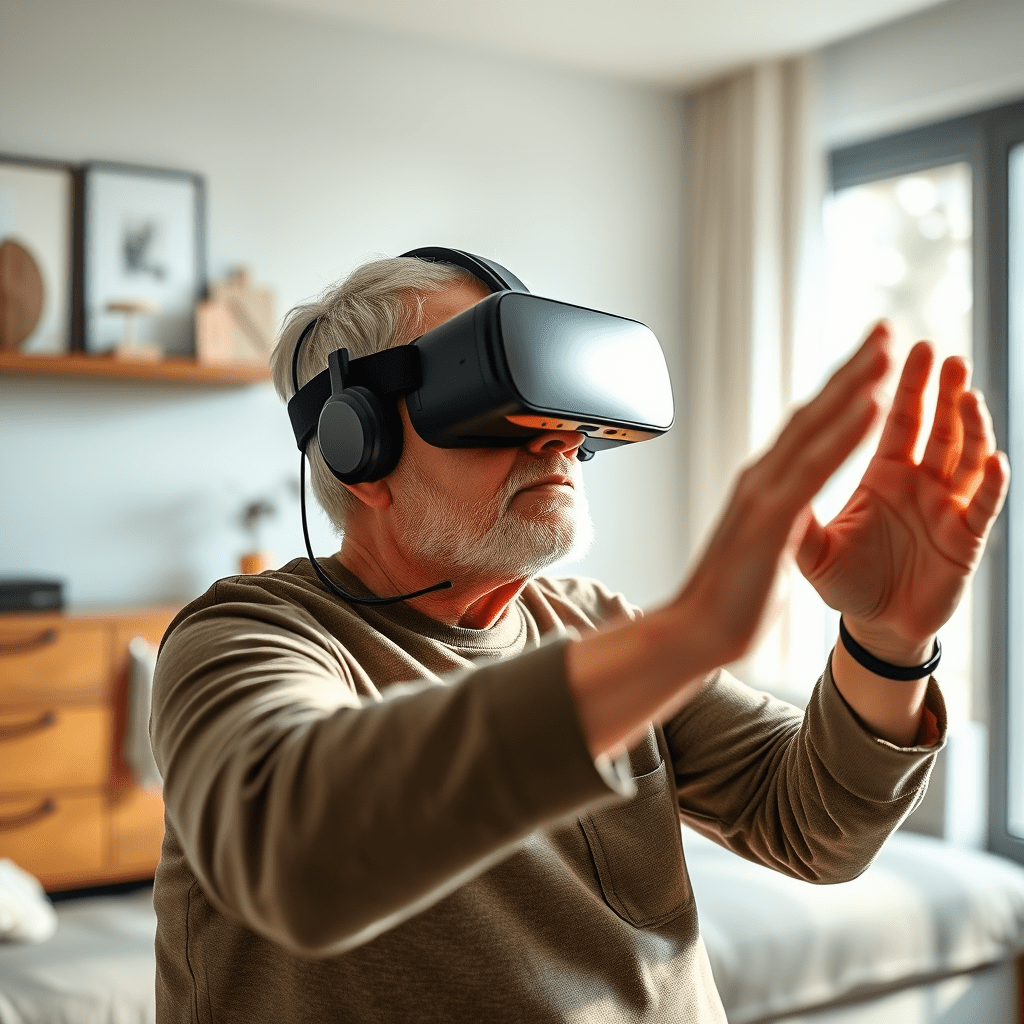
A typical VR rehab workflow starts with an initial assessment conducted remotely via video or in‑clinic visit. Clinicians prescribe a series of exercises mapped to a virtual environment—often a serene beach or interactive game—that requires specific movements. Patients receive a headset, sensors, and a tablet or laptop to connect to the clinic’s cloud platform. As they perform movements, motion capture data is streamed back, allowing therapists to adjust difficulty, track adherence, and intervene if compensatory patterns emerge.
Benefits Over Traditional Rehabilitation
Accessibility and Convenience
- No commute: Patients avoid driving or public transportation, a major hurdle for those with limited mobility.
- Flexible scheduling: Sessions can be completed at any time, fitting around work or family commitments.
- Geographic reach: Rural patients gain access to specialists otherwise unavailable locally.
Engagement and Motivation
Immersive environments transform repetitive motions into interactive challenges. Gamified elements—scores, leaderboards, virtual rewards—provide instant feedback and encourage adherence. Studies show that VR‑based rehab increases session duration by 20% and reduces dropout rates by up to 30% compared to conventional programs.
Data‑Driven Progress Tracking
Unlike paper logs, VR systems automatically capture joint angles, velocity, range of motion, and force exertion. Clinicians review dashboards that highlight trends, flag deviations, and generate automated progress reports. This data not only informs individualized adjustments but also supports research into rehabilitation outcomes.
Designing a VR Rehabilitation Program
Assessment and Goal Setting
Initial virtual screening tools evaluate pain levels, motion deficits, and functional goals. These metrics form a baseline, enabling precise goal setting—such as achieving a 90° knee flexion or 45° shoulder abduction within 12 weeks. Goals are revisited weekly through data analytics, ensuring the program evolves with the patient’s progress.
Customizing the Virtual Environment
Therapists curate scenes that match the patient’s preferences and therapeutic needs. For example, a patient recovering from total hip arthroplasty might “walk” on a virtual track, while a golfer with rotator cuff injury could “throw” a virtual ball in a safe, guided arc. Customization boosts adherence by reducing the perception of monotony.
Integrating with Clinical Workflow
Seamless integration requires secure data transmission, compliance with HIPAA (or local privacy laws), and interoperability with electronic health records (EHR). Many VR platforms now provide APIs that push de‑identified metrics into EHR systems, allowing clinicians to review rehab data alongside imaging and lab results without leaving their existing software.
Real‑World Success Stories
Knee Replacement Rehabilitation
A multicenter study involving 200 patients found that VR outpatient clinics reduced average time to full weight bearing by 25% compared to standard physical therapy. Patients reported higher satisfaction scores, citing the immersive nature of the exercises as a key motivator. Clinicians noted fewer unscheduled visits and a 15% reduction in readmission rates within 30 days.
Shoulder Arthroplasty Recovery
In a pilot program, 50 patients undergoing shoulder arthroplasty engaged in VR‑guided reach and strength exercises. The program achieved a 30% increase in active range of motion by week 6, surpassing the control group that performed conventional home exercise plans. The VR system’s real‑time feedback prevented improper shoulder elevations that often lead to postoperative stiffness.
Challenges and Solutions
Technical Barriers
High‑quality VR requires reliable broadband. Solutions include pre‑configured routers with mesh networking and low‑latency streaming protocols. For patients in areas with limited connectivity, local storage of session data with delayed upload can maintain functionality.
Patient Adoption
Initial resistance stems from unfamiliarity with headsets and motion capture. Structured onboarding—live tutorials, simplified controls, and patient testimonials—helps build confidence. Additionally, pairing VR with a familiar telehealth platform can reduce cognitive load.
Regulatory and Reimbursement Issues
Reimbursement for VR‑based therapy varies by payer. Building a robust evidence base—randomized controlled trials, cost‑effectiveness studies—helps advocate for coverage. Many insurers now recognize VR as a telemedicine service, but clear documentation of clinical outcomes remains essential.
The Future Outlook
AI Integration
Artificial intelligence can personalize exercise progression by analyzing movement quality and fatigue indicators. Predictive models can alert clinicians to potential complications before they manifest, allowing preemptive adjustments.
Expanding to Other Modalities
Beyond orthopedic surgery, VR outpatient clinics are exploring cardiac rehabilitation, chronic pain management, and even neurorehabilitation post‑stroke. Cross‑disciplinary collaboration will accelerate innovation, creating a comprehensive ecosystem of immersive health solutions.
Virtual Reality outpatient clinics represent a paradigm shift in postoperative rehabilitation. By harnessing immersive technology, data analytics, and telemedicine, they empower patients to take an active role in their recovery while ensuring clinicians maintain precise oversight. The future of rehabilitation is not just about the body’s healing, but also about the patient’s experience—making recovery engaging, measurable, and accessible from the comfort of home.
Ready to elevate your postoperative care with VR? Explore the possibilities today.