If you’re planning to venture alone into the rugged beauty of the Scottish Highlands for three days, the right preparation can make the difference between a memorable adventure and a stressful ordeal. This guide focuses on the essential gear, safety protocols, and practical route planning that every novice solo hiker needs before setting foot on the trail. Whether you’re trekking the classic Ben Nevis loop, exploring the glens of the Cairngorms, or mapping out your own three‑day route, the principles below will help you stay safe, comfortable, and fully equipped.
1. Choosing the Right Three‑Day Route
Many beginners gravitate toward well‑known loops that offer a manageable distance, varied terrain, and good trail infrastructure. Two of the most popular 3‑day options are:
- Ben Nevis & Glen Coe Loop – 70 km total, 4,500 m of ascent, with peaks, lochs, and dramatic cliff edges.
- Cairngorms 3‑Day Circuit – 65 km total, 4,200 m of ascent, featuring high moorland, mountain lakes, and historical sites.
Whichever route you choose, verify the official trail maps, obtain any necessary permits, and review recent trip reports to gauge the current conditions.
2. Pre‑Trip Planning Essentials
2.1. Gather Accurate Maps & Trail Guides
Download the latest Ordnance Survey maps (Explorer 444 or 435, depending on the area) and keep a paper copy in your pack. Many modern navigation apps can overlay GPS tracks, but a paper map is indispensable if a device fails.
2.2. Check the Weather Forecast
Scottish weather can shift quickly. Aim to leave only when the forecast predicts a clear start to Day 1 and a reasonable chance of sun by Day 3. Pack for both wet and dry conditions.
2.3. Plan Your Travel & Base‑Camp Setup
- Transport – Book a train or bus to the nearest town (e.g., Fort William for Ben Nevis, Aviemore for the Cairngorms). Arrange a local pickup for your pack.
- Base‑Camp – Choose a secure, sheltered location such as a small village car park or a licensed campsite. Check local rules for overnight stays.
- Emergency Contact – Let a friend or family member know your route, schedule, and expected return. Provide them with a link to North Highland Rescue and the local ranger station.
3. Day‑by‑Day Itinerary Snapshot
Below is a generic day‑by‑day framework for a 3‑day solo trek. Adjust the distances and campsites to fit your pace and the specific trail.
- Day 1: Start early from the trailhead, ascend to the first key peak or viewpoint, and set up camp near a sheltered valley. Approx. 25 km, 1,500 m ascent.
- Day 2: Cross the main ridge, navigate a river crossing, and camp beside a loch or in a designated bivouac site. Approx. 27 km, 1,800 m ascent.
- Day 3: Descend back to the trailhead, leaving the pack at the base‑camp or returning it via a pre‑arranged pickup. Approx. 23 km, 1,200 m descent.
4. Comprehensive Gear List
Below is a categorized list of gear that balances weight, functionality, and safety. Pack only what you truly need, as every additional kilogram affects your endurance.
4.1. Clothing (Layered System)
- Base layer – moisture‑wicking T‑shirts (2–3) and long‑sleeve shirts (1–2)
- Mid layer – fleece or lightweight down jacket (1)
- Outer layer – waterproof, breathable shell (1)
- Backpack pants or leggings (1)
- Insulating layer for cold nights (2‑3)
- Underwear, extra socks (5–7 pairs), moisture‑wicking socks (2‑3 pairs)
- Gloves, hat, balaclava (optional)
- Sun hat and sunglasses (optional)
4.2. Footwear & Accessories
- Sturdy mountaineering boots with ankle support (1 pair)
- Comfortable day shoes for the last day (1 pair)
- Waterproof boot covers or gaiters (1 set)
- Foot care kit: blister plasters, tape, antiseptic wipes
4.3. Backpack & Packing Essentials
- Daypack (35–45 L) – lightweight, ventilated, with a rain cover
- Hydration system – 2–3 L water reservoir + extra bottles
- Sleeping system – ultralight 3‑season tent, sleeping bag rated for -10 °C, lightweight mat
- Cooking stove – compact liquid fuel stove, fuel canister, pot
- Knife or multi‑tool (2‑handed)
- Headlamp with spare batteries, extra LEDs
- First aid kit (customized for your needs)
- Firestarter – waterproof matches, lighter, tinderbox
- Navigation: paper map, compass, GPS (optional) with spare battery
- Emergency beacon (Personal Locator Beacon) or satellite messenger (e.g., SPOT or Garmin inReach)
- Weather radio or NOAA alerts app on your phone
- Trash bags, waste treatment tablets (to preserve the environment)
4.4. Food & Hydration
- High‑energy, lightweight foods: dehydrated meals, energy bars, nuts, dried fruit, chocolate, coffee/tea packets
- Daily caloric requirement: 3,500–4,500 kcal (adjust based on weather and effort)
- Water purification: iodine tablets, activated carbon filter, or portable UV purifier
- Portable stove fuel – sufficient for 3 days
4.5. Safety & Emergency Gear
- Personal locator beacon or satellite messenger with a clear emergency protocol
- Whistle, two-way radio (if in range), or emergency flares
- First aid kit: adhesive bandages, gauze, antiseptic, pain relievers, blister treatment, tourniquet, emergency blanket
- Map of the area, contact numbers for nearest ranger station and rescue services
- Notebook and pen for log entries and notes on weather, wildlife, or navigation issues
5. Navigation & Communication
The Highlands’ network of paths is usually well marked, but conditions such as fog, snow, or fallen trees can obscure signage. Rely on a combination of tools:
- Paper map & compass – The most reliable fallback.
- GPS device – Useful for tracking, but always have a backup.
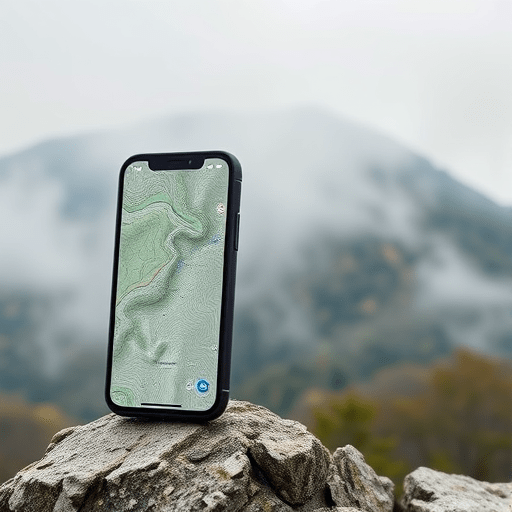
- Smartphone with offline maps – Store maps offline to use when cellular service fails.
- Satellite messenger – Essential for remote areas lacking coverage; ensures you can send a distress signal.
6. Weather & Terrain Preparation
Highland weather is notoriously unpredictable. The same day can start clear, become windy, then rain heavily, especially near peaks. To stay safe:
- Carry a waterproof jacket and pants even if the forecast is dry.
- Pack a windbreaker or an extra insulation layer for sudden temperature drops.
- Keep an eye on local weather alerts and be prepared to adjust your itinerary.
- Understand the terrain: boggy lowlands require sturdy boots and possibly trekking poles; steep scree or rock faces need a reliable footwear and careful footing.
7. Food & Hydration Strategy
Hydration is critical; aim for 2–3 L per day under normal conditions. In hotter weather, increase intake. Identify reliable water sources along your route, but always purify before drinking. Use iodine tablets or a UV purifier for 3 days of safe drinking water. Plan meals that are lightweight yet calorie‑dense to keep energy levels high without adding unnecessary weight.
8. Shelter & Sleeping
A three‑day solo trek often requires two nights of camping. Choose a site with some natural shelter: a slight overhang, a stone outcrop, or a small valley. Check for any fire restrictions. Your tent should be ultralight and quick to pitch. The sleeping bag should be rated for at least -10 °C. A thin, compressible sleeping mat will keep you comfortable and dry on uneven ground.
9. Packing Methodology & Weight Distribution
Proper weight distribution in your backpack improves stability and reduces fatigue. Follow these tips:
- Place the heaviest items (stove, fuel, water) near your spine, centered and close to your hips.
- Keep the center of gravity low; pack the top of your pack with lighter items like a headlamp or first aid kit.
- Use packing cubes or compression bags to keep gear organized and to avoid shifting weight during hikes.
- Periodically re‑balance your pack as you consume water or food to keep it level.
10. Check‑In & Emergency Protocols
Before you leave:
- Inform someone of your route, expected milestones, and return time.
- Register your trip with a local ranger station or the North Highland Rescue (NHR) organization.
- Carry a written emergency plan that includes your exact route, known hazards, and a simple signal plan.
- In case of emergency, send an SOS through your satellite messenger, or if unavailable, use your whistle to attract attention.
11. Leave No Trace & Environmental Responsibility
Highland ecosystems are fragile. Adhere to Leave No Trace principles: pack out all trash, avoid creating new campsites, stay on marked paths, and respect wildlife. Use biodegradable soap and avoid over‑baking if you use a stove, keeping your camp as natural as possible.
Conclusion
Embarking on a solo three‑day trek in the Scottish Highlands demands meticulous preparation, but the payoff is a deeply rewarding experience that showcases Scotland’s rugged beauty. By selecting a suitable route, assembling a focused gear list, and mastering navigation, weather, and emergency protocols, beginners can confidently navigate the Highlands and enjoy the solitude and grandeur that only a solo adventure can offer. With the right planning and respect for the environment, your three days in the Highlands will be safe, memorable, and inspiring.