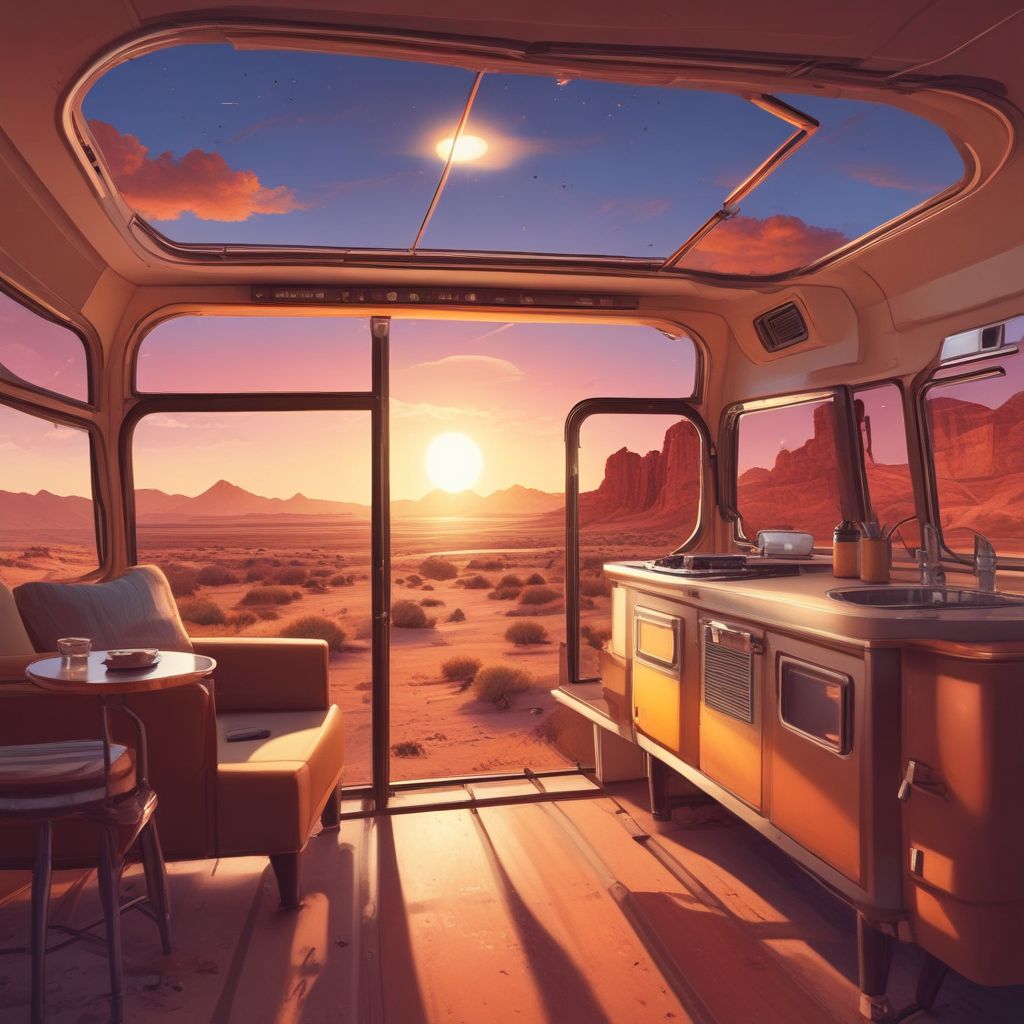
Solar Van Build: How to Convert a Used Truck into a Zero‑Emission Road‑Trip Camper – A DIY Guide for the Eco‑Savvy Backpacker
Imagine hitting the open road in a cozy, self‑sufficient camper that runs entirely on clean, renewable energy. A solar van build lets you turn a budget‑friendly used truck into a zero‑emission mobile home, freeing you from the constraints of plug‑in hookups while reducing your carbon footprint. Whether you’re a seasoned van‑life veteran or a backpacker looking to add a bit of home comfort to your adventures, this guide walks you through every essential step—from choosing the right truck to installing a full solar power system and beyond.
Why a Used Truck Makes the Perfect Solar Van Base
- Affordability – Used trucks often come with a lower upfront cost, leaving more of your budget for high‑quality solar equipment and upgrades.
- Durability – Trucks are built to handle rough terrain and heavy loads, ensuring a robust platform for long‑term travel.
- Interior Space – Many trucks offer a wide cab and a sizable rear cargo area, giving you plenty of room for living, cooking, and storage.
- Vans vs. Trucks – While vans have a more traditional camper feel, trucks provide a rugged aesthetic and greater towing capacity if you ever need to haul additional gear.
Step 1: Planning Your Conversion
Before you touch a bolt, map out your vision. Create a rough floor plan, noting where the bed, kitchen, and storage will sit. Consider the following:
- Weight Distribution – Solar panels, batteries, and water tanks add mass; ensure the truck’s suspension can handle the load.
- Power Budget – List all devices you’ll use (LED lights, refrigerator, laptop, phone charger). A typical camper might need 3‑5 kWh of battery storage and a 300‑W solar array.
- Budget & Timeline – Set realistic limits. A basic solar van build can range from $5,000 to $12,000, depending on equipment quality.
Choosing the Right Truck
Popular choices include the Ford F‑150, Chevrolet Silverado, or Dodge Ram. Look for:
- Clean title and minimal rust.
- Fully functional suspension and brakes.
- Powertrain that matches your driving habits (gasoline for most, but diesel offers better fuel economy on long trips).
Step 2: Removing Interior and Adding Insulation
Start by stripping the truck’s interior to create a clean slate:
- Remove seats and carpeting.
- Cut out unnecessary panels to enlarge the workspace.
- Install rigid foam insulation (XPS or EPS) in walls, ceiling, and floor to maintain temperature and reduce noise.
Seal gaps with weatherstripping to keep moisture out and enhance thermal efficiency. Use reflective foil on the backside of insulation to reflect heat away from living spaces.
Step 3: Power System – Solar Panels, Batteries, and Inverter
Solar Panels
- Opt for monocrystalline panels (high efficiency, 18–20%) to maximize output in limited roof space.
- Mount panels on the roof or a custom-built frame. Secure them with stainless steel brackets and use a hinged design for easy cleaning.
- For an F‑150, a 300‑W array is typically sufficient for a 3 kWh battery bank.
Batteries
- Use deep‑cycle AGM or Li‑ion batteries depending on budget.
- A 100Ah AGM battery can supply ~1.5 kWh of usable power. Pair two in parallel for a 200Ah bank.
- Li‑ion options (e.g., LiFePO4) reduce weight and require no maintenance, but come at a higher cost.
Charge Controller & Inverter
- Install a Maximum Power Point Tracking (MPPT) charge controller to maximize panel output.
- Choose a pure sine‑wave inverter rated 500 W to 1 kW for running appliances safely.
- Place the inverter inside a well‑ventilated enclosure with a temperature sensor to avoid overheating.
Step 4: Water System – Freshwater, Greywater, and Shower
- Freshwater Tank – Install a 20‑gal tank in the rear, with a dedicated inlet for water purchases.
- Greywater Tank – A 10‑gal tank in the cab collects sink and shower runoff, which can be disposed of at campsites.
- Shower – Mount a portable shower pod or a small fixed shower with a 2.5‑gal pump.
- Sink – Build a compact sink with a 1‑gal freshwater tap and a quick‑connect hose.
Step 5: Kitchen – Fridge, Stove, and Storage
Fridge
- Choose a refrigerator‑freezer combo that runs on 12 V DC. Aim for 200–300 Wh per day.
- Mount it in the side of the cab with an insulated panel to keep it cool.
Stove
- Install a portable induction cooktop that plugs into the inverter.
- Alternatively, a propane stove can provide higher power if you prefer off‑grid cooking.
Storage Solutions
- Utilize the cab’s overhead compartments for small items.
- Build a fold‑out bed with built‑in drawers beneath.
- Use magnetic strips, hooks, and Velcro straps to secure gear.
Step 6: Comfort – Mattress, Curtains, and Ventilation
- Mattress – Install a 50‑inch foam mattress or a foam‑on‑foam set. Add a thermal blanket on top for extra insulation.
- Curtains – Use blackout curtains to improve privacy and block heat.
- Ventilation – Install a roof vent and a vent fan to circulate air, especially in hot climates.
- Lighting – LED strip lights along the ceiling and under cabinets reduce power consumption and provide a warm glow.
Step 7: Safety – Wiring, Ventilation, and Fire Suppression
- Use rigid, UL‑listed cable for all power lines. Keep wiring away from moving parts.
- Install a fire extinguisher in the cab and a carbon monoxide detector near the engine compartment.
- Keep a smoke detector near the bed area.
- Ventilate the engine compartment with a sealed fan to prevent gas buildup.
Step 8: Finishing Touches – Paint, Decor, and Final Checks
- Paint the interior with a non‑toxic, low‑VOC paint to improve aesthetics and air quality.
- Add personal touches—photos, maps, or a small herb garden.
- Test all systems: run the inverter, check battery charge/discharge cycles, and test the water system for leaks.
- Perform a road test with a light load to ensure handling and braking are safe.
Maintenance & Longevity Tips
- Regularly check the solar panel orientation and clean them with a soft brush.
- Inspect battery terminals for corrosion and clean with baking soda solution.
- Change the battery electrolyte level (for AGM) every 6 months if necessary.
- Monitor the greywater tank’s levels and dispose of it at approved sites.
- Keep the interior dry to prevent mold; use silica gel packs in enclosed spaces.
Estimated Cost Breakdown
- Used truck (2009 F‑150): $4,000
- Insulation & materials: $1,200
- Solar panels (300 W) + mounting: $1,500
- Battery bank (100Ah AGM) + inverter: $1,800
- Water system & shower: $700
- Fridge, stove, and storage: $1,000
- Finishing touches & safety: $600
- Total: ~$12,300
Note: Costs can be reduced by sourcing used components or by DIY-ing certain aspects like the bed frame.
Conclusion
Transforming a used truck into a solar-powered, zero‑emission camper is a rewarding project that blends practicality with environmental consciousness. With careful planning, the right equipment, and a dash of creativity, you’ll have a mobile home that keeps you powered, comfortable, and connected to nature—all while leaving a smaller carbon footprint. Pack your bags, hit the road, and enjoy the freedom that only a self‑sufficient van can offer.
Ready to hit the road?