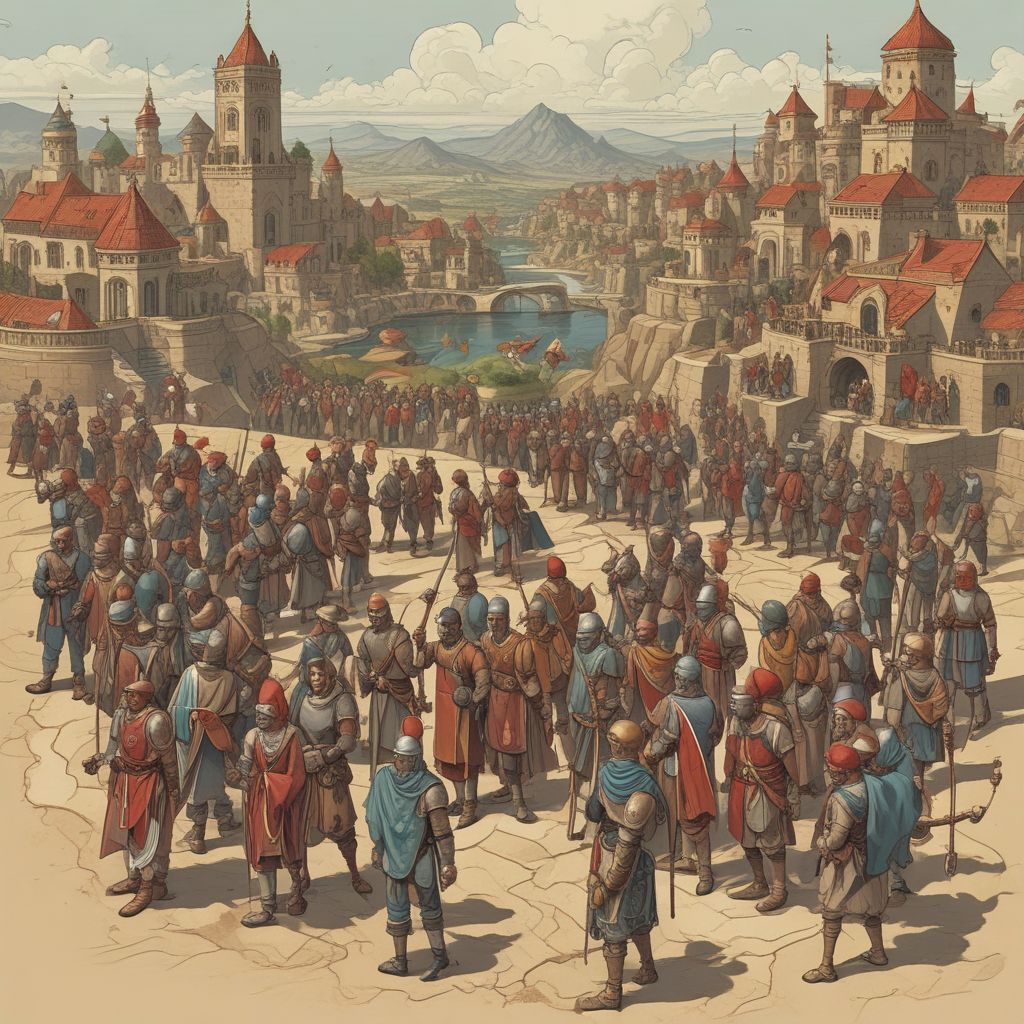
Player-Run Nations have become a compelling trend in games that blend strategy and RPG elements, where the player’s character growth, relationships, and choices shape not just a hero’s fate but the destiny of entire polities. In these hybrids the main keyword, Player-Run Nations, signals a design approach that hands players the dual responsibilities of personal progression and statecraft—forcing emotional investments in decisions that simultaneously affect an avatar and a nation.
Why Player-Run Nations Matter
Traditional grand strategy games focus on macro-level systems—economies, wars, and diplomacy—while RPGs concentrate on the singular arc of a character. Player-Run Nations bridge that gap by placing a human-scale protagonist at the heart of governing systems, making political choices feel intimate and narrative-driven. The result is emergent storytelling where a single marriage, a promoted lieutenant, or a personal vendetta can ripple into civil wars, alliances, and cultural shifts.
Core Mechanics That Make Statecraft Personal
1. Character Progression Tied to Institutional Power
When experience, skill trees, or reputation unlock policies, buffs, or legal powers, a player is incentivized to grow personally for the good (or control) of the nation. This linkage forces trade-offs: spend skill points on personal combat prowess, or on administrative reforms that increase tax efficiency?
2. Factional Relationships and Court Politics
In-game courts and factions humanize abstract mechanics. Generating loyalty, appeasing nobles, and managing patronage networks all require player attention. These social systems make political maneuvers tangible because betrayals and alliances are enacted through named characters with histories and motives.
3. Succession and Legacy Systems
Succession introduces long-term consequences to short-term gains. Players must cultivate heirs, craft dynastic marriages, or build institutions that outlast any single ruler—adding a meta-level strategy where personal choices have generational impact.
4. Resource Allocation with Personal Stakes
Resource choices—invest in a city’s walls, fund a personal retinue, or underwrite a cultural festival—become moral and strategic dilemmas. Tying prestige or legend to public works or personal artifacts makes every coin spent narratively meaningful.
Case Studies: Existing Games and What They Teach
- Crusader Kings (series) — A pioneer in making dynastic characters central to geopolitical play; court intrigue and character traits directly influence macro outcomes.
- Mount & Blade II: Bannerlord — Blends a single avatar’s battles and reputation with faction leadership, demonstrating how battlefield performance can translate to national power.
- Old World — Uses leader-driven mechanics and orders-per-turn systems where individual ruler traits affect broader strategic options.
- Indie hybrids (examples) — Smaller titles that experiment with chosen-hero governance show how constrained resources and personal narratives can generate rich emergent politics.
Emergent Political Narratives
Player-Run Nations foster emergent narratives because decisions are framed by character motives and relationships. A regional governor promoted for loyalty might become a rival; a beloved general’s death can spark a succession crisis; a ruler’s charismatic reforms can birth a cult of personality. These story arcs are not authored linearly but arise from systemic interactions—making player stories memorable and replayable.
Consequential Trade-Offs: The Heart of Meaningful Choices
At the design level, the best strategy‑RPG hybrids force trade-offs that feel consequential on both personal and national scales. Examples include:
- Short-term glory vs. long-term stability: lead the army personally for renown, or invest in an institutional command structure that preserves lives but reduces personal fame.
- Personal enrichment vs. public trust: pillage to outfit a champion or tax fairly to fund public works and avoid unrest.
- Autocratic control vs. distributed governance: centralize power to move fast, or empower institutions that ensure continuity beyond a single leader.
How to Play (Strategies for Players)
To thrive in Player-Run Nations, balance role-playing instincts with system-level thinking:
- Align your character build with national needs—if your realm lacks engineers, invest in administrative or civic skills.
- Use relationships as tools—marriages, patronage, and favors are strategic resources that compound over time.
- Plan succession early—cultivate heirs, write laws, or create checks and balances to avoid abrupt collapse.
- Embrace emergent stories—accept and exploit unexpected events to build narrative capital and in-game legitimacy.
Designer’s Checklist: Creating Compelling Player-Run Nations
For developers, the goal is to make statecraft feel intimate without breaking strategic depth. Consider these design elements:
- Meaningful linkage: ensure character progression unlocks distinct national-level options.
- Visible stakeholders: present factions and individuals whose motivations are legible and consequential.
- Balanced incentives: create real trade-offs between personal power and institutional investment.
- Dynamic events: craft systems that produce unpredictable but narratively coherent crises and opportunities.
- Succession mechanics: enable players to plan for legacy so their choices transcend a single play session.
Common Pitfalls and How to Avoid Them
Too tight a focus on the avatar can trivialize national systems; too much abstraction can reduce characters to mere tokens. Avoid these extremes by keeping player relationships meaningful (not cosmetic) and ensuring macro systems respond visibly to micro choices. Also, give players tools to delegate—AI ministers, governors, or institutions—so personal attention scales without losing emotional weight.
Player-Run Nations make statecraft personal by forcing players to reconcile who they are with what their nation needs. That friction produces memorable drama, strategic depth, and stories that players will retell long after the session ends.
Conclusion: Strategy‑RPG hybrids that center player-run nations succeed when they create meaningful ties between a character’s life and a polity’s fate; that interplay turns abstract governance into intimate storytelling. Ready to lead a nation that remembers you—for good or ill?
Call to action: Try role-playing a ruler-focused campaign this week and notice how personal choices reshape the political map.