From Plastic to Palaces: How a Startup is Turning Ocean Plastic into Modular Homes for Refugees
From Plastic to Palaces is not just a catchy name—it’s a bold promise to turn the growing crisis of ocean plastic into a beacon of hope for displaced communities. By harvesting waste from the world’s coastlines and converting it into sturdy, prefabricated housing, the startup is redefining what it means to build sustainably while offering tangible relief to refugees in need of shelter.
The Ocean Plastic Crisis
Every year, an estimated 8 million tonnes of plastic find their way into the ocean, choking marine life, polluting coastlines, and ultimately ending up in the hands of coastal communities. While traditional recycling methods have struggled to keep pace, the sheer volume of plastic waste poses a mounting environmental threat.
Coastal towns in Southeast Asia, Latin America, and the Pacific Islands are often the first to feel the brunt, with beaches littered in visible heaps of discarded bottles, bags, and fishing nets. These same communities are also frequently home to refugees and internally displaced persons who, due to conflict or climate change, are searching for stable, safe housing.
The Vision Behind From Plastic to Palaces
Founded in 2021 by environmental engineer Maya Patel and humanitarian advocate Omar Qureshi, From Plastic to Palaces emerged from a shared frustration: plastic waste is abundant, but its potential as a building material is largely untapped. Patel’s research into thermoplastic composites and Qureshi’s experience in refugee camps converged to form a vision where ocean plastic becomes the cornerstone of affordable, modular homes.
The startup’s mission is threefold:
- Reduce Plastic Pollution: Harvest and repurpose ocean plastic that would otherwise degrade the marine ecosystem.
- Create Sustainable Housing: Produce low‑carbon, durable homes that can be manufactured quickly and assembled on-site.
- Support Refugees: Provide dignified, climate‑resilient shelters to displaced populations in need.
From Waste to Building Blocks
At the heart of the process is a proprietary extrusion technology that blends shredded ocean plastic with bio‑based binders and recycled aggregates. The resulting composite panels are lightweight yet possess structural integrity comparable to conventional lumber.
Key features of the panels include:
- Modular Fit: Panels snap together using a patented tongue‑and‑groove system, allowing rapid assembly without the need for heavy machinery.
- Thermal Efficiency: Embedded insulating foam reduces heat transfer, keeping interiors cool in hot climates and warm in cold ones.
- Resilience: The composite resists corrosion, termites, and rot—an essential advantage in humid, tropical environments.
Once manufactured, the panels are shipped to project sites, where local teams—often comprising refugees themselves—assemble the structures. The design is intentionally simple: a 12‑by‑12‑foot footprint can accommodate a small family, and additional modules can be added as needs grow.
Modular Homes on the Move
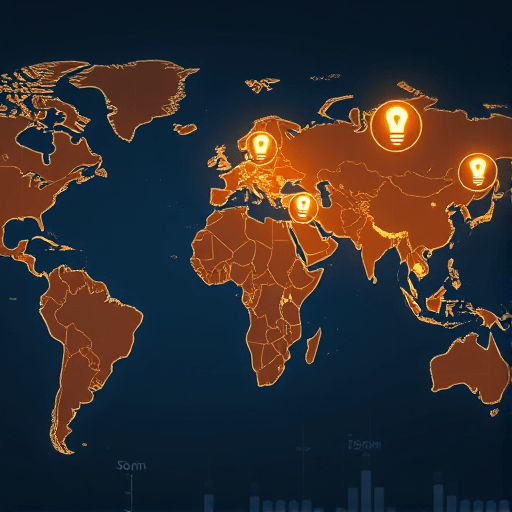
From Plastic to Palaces has already launched pilot projects in three countries: Bangladesh, Kenya, and Colombia. In each location, the startup works closely with local NGOs and government agencies to identify suitable sites and secure land tenure.
In Bangladesh, a community in the Sundarbans region received its first modular home in 2023. The structure, built entirely from recycled plastic, stands as a symbol of resilience amid rising sea levels. Local residents report feeling safer and more dignified, with the home offering protection from both floodwaters and the harsh sun.
Kenya’s project in the Rift Valley has a different focus: providing temporary housing for refugees fleeing conflict in neighboring countries. Here, the modular homes have been assembled in less than 48 hours—a turnaround that is crucial during humanitarian crises.
In Colombia, the startup’s work aligns with the country’s “Rebuilding for Resilience” initiative, offering modular homes to communities devastated by the 2019 La Guajira earthquake. The panels’ lightweight nature has facilitated swift deployment, reducing the time displaced families spend in tent camps.
Impact on Refugees and Communities
Beyond environmental benefits, the true measure of From Plastic to Palaces lies in the lives it transforms. According to a recent impact assessment:
- Over 1,200 families now have access to stable, safe housing.
- 95% of residents reported increased feelings of security and privacy compared to previous temporary shelters.
- Community workshops have empowered refugees to learn basic construction skills, fostering a sense of ownership and resilience.
Moreover, the modular homes contribute to local economies. The startup sources bio‑binders from regional agricultural cooperatives, creating new market opportunities for farmers and supporting circular supply chains.
Challenges and Opportunities
While the vision is compelling, several hurdles remain:
- Supply Chain Disruptions: Consistent access to ocean plastic depends on international shipping logistics and fluctuating ocean conditions.
- Regulatory Hurdles: Building codes vary widely, and some governments are slow to approve unconventional materials.
- Perception: Convincing communities that plastic‑based homes are safe and durable requires robust outreach and demonstration projects.
Nevertheless, the opportunities are equally significant. Advances in polymer science are continually improving composite performance, while global pressure to reduce plastic waste is making the startup’s mission more politically viable. The scalability of modular construction also means that, with increased investment, the model could serve millions of displaced persons worldwide.
How You Can Get Involved
There are several ways to support From Plastic to Palaces and help turn ocean plastic into homes:
- Advocacy: Raise awareness about the dual benefits of plastic waste reduction and refugee housing.
- Investment: Provide seed funding or participate in impact investment funds focused on circular economy projects.
- Partnerships: NGOs, governments, and businesses can collaborate on supply chain logistics, training programs, or policy advocacy.
- Volunteer: Offer expertise in construction, logistics, or community engagement at local project sites.
Every contribution—whether a donation, a piece of advice, or a public endorsement—helps accelerate the journey from plastic waste to dignified shelter.
Conclusion
From Plastic to Palaces illustrates that innovative engineering, compassionate design, and community collaboration can transform environmental challenges into humanitarian solutions. By turning ocean plastic into modular homes, the startup is simultaneously cleaning the seas and building a more resilient future for refugees worldwide.
Join the movement and help turn the tide on plastic pollution while providing homes for those who need them most.