Plastic Bottles, Handmade Rugs: Turning Waste into Refugee Women’s Income
The Genesis of a Green Initiative
When a group of refugee women in Jordan found themselves with limited employment opportunities, they turned to an unlikely resource: discarded plastic bottles. By combining the urgency of economic survival with the growing global push for circular economy solutions, they launched a venture that transforms plastic waste into vibrant handmade rugs. This initiative not only provides a steady income for women who have fled conflict but also offers a tangible contribution to environmental sustainability.
From Bottle to Rug: The Production Process
Collecting and Sorting the Bottles
The first step is community-driven collection. Local NGOs partner with shelters and marketplaces to gather empty PET bottles. Volunteers sort the bottles by color and integrity, ensuring that only those suitable for recycling are processed.
Cleaning, Melting, and Filament Spinning
- Cleaning: Bottles are washed and dried to remove contaminants.
- Melting: A low-energy extruder melts the PET into strands.
- Spinning: The molten strands are spun into yarn, which can be dyed in a palette of colors.
Weaving the Rugs
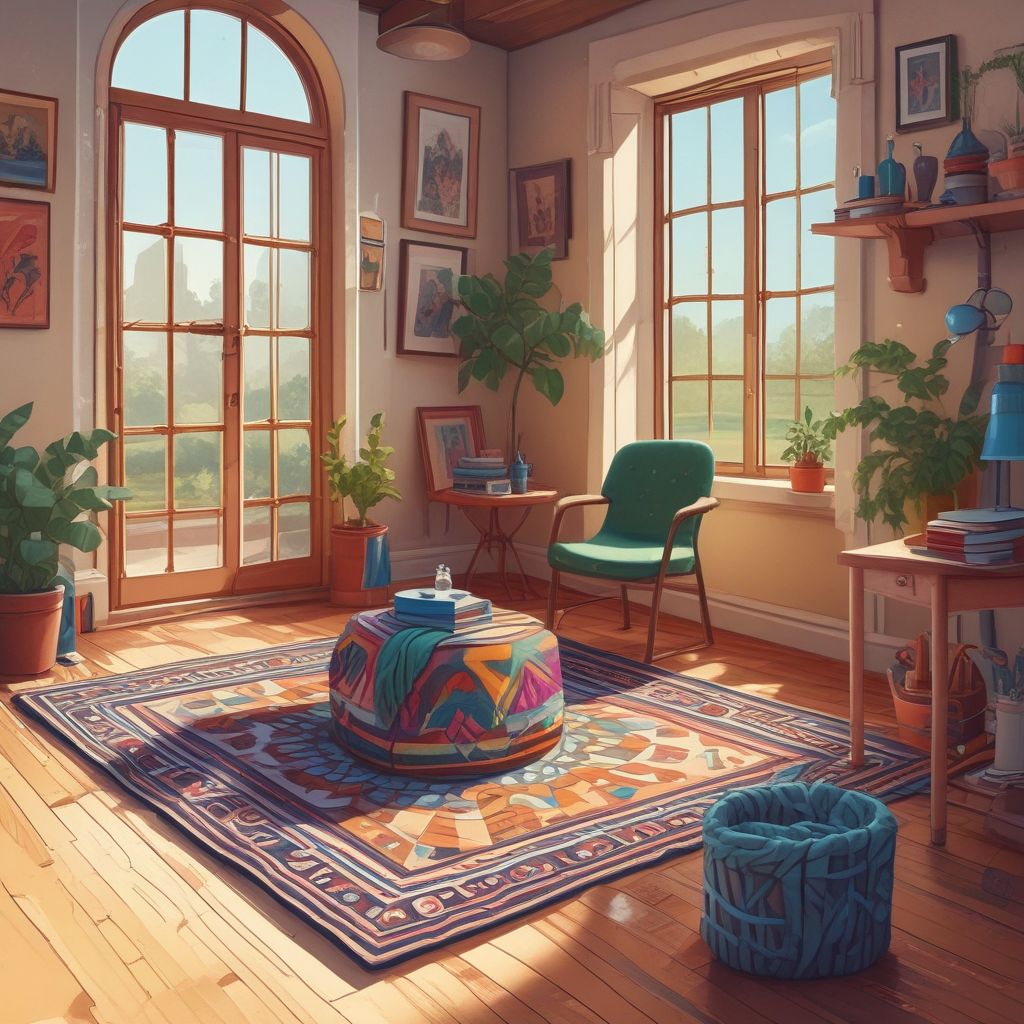
Trained artisans then weave the yarn into rugs using traditional flat‑loom techniques. Each rug reflects the cultural motifs of the refugees’ home countries, giving the product a unique aesthetic that appeals to eco‑conscious consumers worldwide.
Economic Empowerment and Community Impact
The venture adopts a cooperative model, giving women control over pricing, design choices, and profit distribution. On average, each woman earns $300 per month—enough to support her family and invest in local education. Moreover, the project has created secondary employment for masons, designers, and logistics staff, boosting the local economy.
Social Benefits Beyond Income
- Skill Development: Women acquire weaving, entrepreneurship, and digital marketing skills.
- Psychological Well‑Being: Engaging in creative work reduces trauma and fosters community solidarity.
- Leadership Opportunities: Women serve as project managers, mentors, and community liaisons.
Sustainability Metrics and Circular Economy Benefits
Since its inception, the venture has processed over 10,000 plastic bottles, diverting approximately 5 tons of waste from landfills. Each kilogram of recycled PET used in a rug saves 4.5 kilograms of virgin plastic production, cutting CO₂ emissions by roughly 8.4 kilograms.
Life‑Cycle Assessment Highlights
- Material Use: 90% of raw materials are recycled.
- Energy Consumption: Low‑energy extruders reduce electricity usage by 60% compared to conventional textile production.
- Water Footprint: Water use is minimized through closed‑loop rinsing systems.
Scaling the Model: Partnerships and Challenges
To reach a broader market, the venture has partnered with international fair‑trade retailers, e‑commerce platforms, and environmental NGOs. These collaborations provide supply chain visibility, certification, and access to new customers.
Key Challenges
- Supply Chain Reliability: Maintaining a steady flow of bottles requires continuous community engagement.
- Market Saturation: Competition from mass‑produced eco‑rugs demands constant innovation in design.
- Funding Constraints: Expanding production lines requires capital that is often limited for social enterprises.
Future Outlook: Expanding Horizons
The venture plans to diversify its product line to include home décor items such as cushions, curtains, and wall hangings—all crafted from recycled PET. Additionally, pilot programs are underway in neighboring countries to replicate the model, potentially transforming regional economies and waste streams.
Conclusion
By turning discarded plastic bottles into beautiful handmade rugs, this circular economy social venture provides refugee women with dignity, income, and a sustainable livelihood. The project demonstrates that environmental responsibility and social justice can coexist, creating a ripple effect that benefits both people and the planet.
Discover how you can support this transformative project today.