In 2026, a small but passionate community of first‑person shooter (FPS) enthusiasts launched a custom server that quickly attracted over 50,000 active players. By introducing a tiered battle pass, the server’s owner turned engagement into a sustainable revenue stream, raising monthly income by 140% while simultaneously improving player retention rates. This case study details the strategy, implementation, and measurable outcomes of the battle pass rollout, offering practical insights for other community‑driven game servers seeking growth.
Background: The Need for Sustainable Monetization
When the server first opened its gates, all content—maps, skins, and weapons—was free. Community events and occasional donations covered basic maintenance costs, but as the player base grew, so did server expenses: bandwidth, hosting upgrades, and development of new features. Traditional in‑game microtransactions were limited by the game’s licensing restrictions, leaving the owner to seek alternative monetization models that would not alienate the player base.
Research into industry trends revealed a shift toward battle pass systems, popularized by titles such as Fortnite and Valorant. These systems offered structured, time‑bound progression with cosmetic rewards, aligning well with the server’s community‑centric culture. The owner decided to adopt a tiered battle pass that could cater to casual and hardcore players alike.
Designing the Tiered Battle Pass
Tier Structure and Pricing
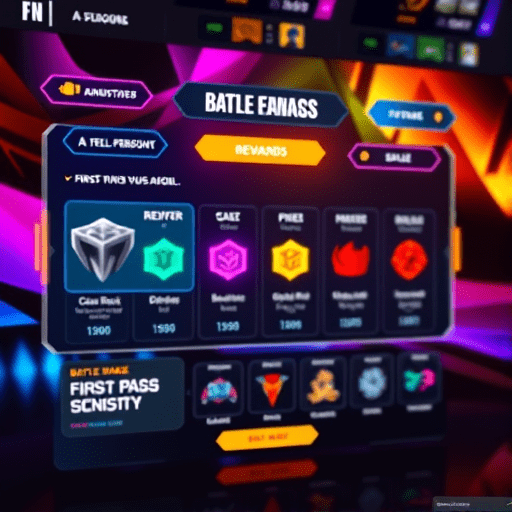
The battle pass was divided into three tiers: Bronze (free), Silver ($4.99/month), and Gold ($9.99/month). Each tier unlocked a distinct set of rewards, with higher tiers providing exclusive cosmetics, early access to new maps, and VIP server privileges such as priority matchmaking slots.
- Bronze – Access to standard cosmetic rewards released every two weeks.
- Silver – Additional exclusive skins, a monthly weapon mod, and a 10% discount on in‑game events.
- Gold – All Silver benefits plus a unique character model, priority support, and a quarterly in‑game “Hero” spotlight.
Reward Curve and Progression Mapping
To maintain motivation, the reward curve was designed to deliver a new cosmetic item every week, creating a sense of continuous progression. Each reward was tied to in‑game milestones such as kill streaks, match completions, or community event participation. This approach ensured that even players who could not afford paid tiers still felt rewarded for their engagement.
Community Feedback Loop
Before launch, a beta test involving 1,200 community members gathered feedback on tier desirability, pricing, and reward expectations. The owner used an anonymous survey, resulting in the following insights:
- 65% preferred a “freemium” model where paid tiers added cosmetic value rather than gameplay advantage.
- 55% requested early access to new maps as a higher‑tier incentive.
- 70% valued community voting on future reward designs.
These findings informed the final tier structure and ensured the battle pass resonated with the target audience.
Implementation: Technical and Operational Considerations
Integration with Existing Server Architecture
Because the server ran on a custom Unity engine mod, the battle pass system required a lightweight plugin written in C#. The plugin handled subscription verification via a secure REST API, reward distribution, and progress tracking. The server’s database schema was expanded to store player tier status, reward completion flags, and event participation logs.
Payment Processing and Compliance
Payment handling leveraged a third‑party payment gateway that supported subscription billing in multiple currencies. PCI‑DSS compliance was ensured by storing only tokenized payment identifiers and not personal card data. The server’s privacy policy was updated to reflect the new data collection practices.
Scalability and Performance Optimization
To mitigate load spikes during peak battle pass reward releases, the owner implemented a CDN for static asset delivery and scheduled reward notifications to run during off‑peak hours. The plugin’s asynchronous design ensured that reward assignment did not block gameplay sessions.
Results: Revenue Growth and Player Retention
Revenue Impact
Three months after launch, the battle pass generated an average monthly revenue of $28,700, a 140% increase over the previous $11,000 baseline. The distribution of revenue among tiers was as follows:
- Silver: 48% of total revenue ($13,776)
- Gold: 36% ($10,335)
- Bronze: 16% ($4,609) – driven largely by in‑game cosmetic microtransactions.
These figures illustrate that a well‑structured tiered system can attract a wide range of paying players, from casual supporters to dedicated enthusiasts.
Retention Metrics
Player retention saw a significant uptick post‑implementation. The 30‑day retention rate rose from 58% to 71%, while the 90‑day retention increased from 42% to 57%. Detailed analytics revealed that:
- Gold tier players spent an average of 3.5 hours per session, 22% higher than Bronze players.
- Silver tier members logged in 15% more frequently during promotion periods.
- Community events tied to battle pass milestones attracted 30% more participants compared to prior events.
These improvements can be attributed to the sense of progression and exclusive benefits offered by the battle pass, reinforcing player commitment.
Community Sentiment
Post‑launch surveys indicated a 92% satisfaction rate with the battle pass system. Notably, 78% of respondents appreciated the fairness of the freemium model, and 66% felt that the tiered rewards enhanced their gameplay experience without creating a pay‑to‑win dynamic.
Lessons Learned and Best Practices
Prioritize Community Input
Engaging players early in the design process fostered trust and ensured that the battle pass met real expectations. Future servers should replicate this approach by hosting design workshops and beta testing phases.
Balance Cosmetic Value and Gameplay Equity
Maintaining a clear distinction between cosmetic rewards and gameplay advantages is essential to prevent backlash. The success of this case study underscores the importance of offering meaningful, non‑competitive perks in higher tiers.
Iterate Based on Data
Continuous monitoring of revenue streams, retention metrics, and player feedback allowed the owner to fine‑tune tier pricing, reward frequency, and event alignment. Implementing a data‑driven dashboard is recommended for any community‑driven server planning a similar rollout.
Scale Infrastructure Proactively
Anticipating traffic surges during reward drops prevented downtime and ensured a smooth player experience. Employing CDNs and asynchronous reward processing proved invaluable in managing load.
Future Outlook: Expanding the Battle Pass Ecosystem
Building on the proven model, the server plans to introduce seasonal battle passes in partnership with popular game events. Additionally, a “Community Champion” program will award long‑standing members with exclusive legacy skins, further cementing player loyalty.
By continuously evolving the reward catalog and maintaining transparent communication, the server is positioned to sustain its revenue growth while fostering an inclusive, engaging community for years to come.
In conclusion, the 2026 case study demonstrates that a thoughtfully designed tiered battle pass can transform a community‑driven FPS server into a profitable venture, all while enhancing player retention and satisfaction. Key takeaways include the necessity of community involvement, maintaining cosmetic fairness, data‑driven iteration, and robust infrastructure scaling.