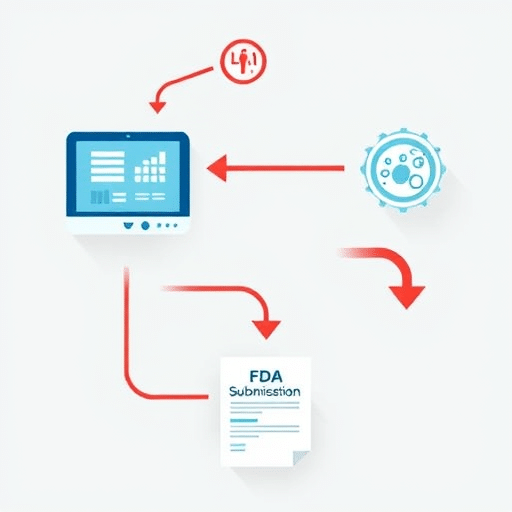
In 2026, precision care is no longer a concept but a daily clinical reality. Clinicians can now fuse real‑time sensor metrics from wearable devices with genomic risk scores stored in the cloud, enabling medication plans that truly reflect a patient’s biological and lifestyle context. This guide walks through the technical and clinical workflow needed to merge wearable data with genomic profiles, covering cloud architecture, data harmonization, analytics, and regulatory compliance.
1. Define the Clinical Objectives and Data Scope
Before any code is written, clinicians must clarify the therapeutic question. Are you looking to titrate antihypertensives based on sleep‑related blood pressure trends, or adjust antidiabetic doses using continuous glucose monitoring (CGM) alongside CYP2C9 genotype? Documenting the objective sets the data requirements, the acceptable latency, and the evidence thresholds that the integration will need to meet.
Key Questions to Answer
- Which wearable metrics are most relevant to the condition (e.g., heart rate variability, activity, sleep stages)?
- What genomic variants or polygenic risk scores (PRS) influence drug metabolism or disease progression?
- What is the acceptable data freshness (real‑time, hourly, daily)?
- Which regulatory frameworks (HIPAA, GDPR, local data sovereignty laws) govern the data?
2. Acquire and Ingest Wearable Data into the Cloud
Most consumer wearables expose data via OAuth‑protected APIs. For clinical use, the ingestion pipeline should include:
2.1 Secure OAuth Flow and Consent Management
Implement a consent hub that stores patient permissions in an encrypted, tamper‑evident ledger. This hub should issue short‑lived access tokens to your ingestion service, which pulls sensor data in the background.
2.2 Data Ingestion Service
Use a cloud‑native serverless function (e.g., AWS Lambda, Azure Functions) that triggers on a scheduled event or webhook. The function fetches the latest data batch, transforms it into a standardized format (FHIR Observation for vitals, JSON Schema for raw sensor streams), and writes it to a data lake.
2.3 Data Lake and Catalog
Store raw wearable data in a columnar format (Parquet) in S3 or Azure Blob Storage, with metadata cataloged via AWS Glue or Azure Purview. This makes downstream analytics efficient and traceable.
3. Load Genomic Profiles into the Cloud
Genomic data typically arrive as VCF files from sequencing labs. Clinical-grade pipelines must harmonize these with a reference database (ClinVar, gnomAD). Cloud genomics services (Google Genomics, DNAnexus, Illumina DRAGEN) can ingest VCFs, annotate them, and produce a patient‑specific variant catalog.
3.1 Variant Annotation and Risk Scoring
Run an annotation workflow that tags variants with pharmacogenomic (PGx) relevance (e.g., CYP2D6, SLCO1B1) and calculates PRS for diseases like hypertension or type 2 diabetes. Store the results in a relational table keyed by patient ID.
3.2 Secure Storage and Access Control
Genomic data are highly sensitive. Encrypt at rest with keys managed by a Key Management Service (KMS). Use attribute‑based access control to ensure only authorized analytics services read the data.
4. Harmonize Data Across Domains
Wearable metrics and genomic scores live in separate schemas. A harmonization layer transforms them into a unified patient timeline. Use a cloud data integration platform (e.g., Snowflake Streams, BigQuery DML) to join sensor observations with genomic annotations.
4.1 Temporal Alignment
Map each sensor record to the nearest genomic event (e.g., the day of sequencing). For continuous monitoring, create a rolling window that aggregates metrics (average heart rate, time in target glucose range) over the past 24 hours.
4.2 Clinical Terminology Mapping
Translate raw sensor values into clinical concepts using SNOMED CT or LOINC codes. This enables downstream clinical decision support (CDS) engines to reference the data in a standard way.
5. Build an Analytics Engine for Personalized Medication Planning
The analytics engine ingests the harmonized dataset, applies predictive models, and outputs actionable insights. Cloud AI services (e.g., SageMaker, Vertex AI) can host models that combine PGx risk scores with real‑time vitals to estimate drug efficacy or adverse event probability.
5.1 Model Development
Start with rule‑based algorithms that map known genotype‑phenotype associations (e.g., CYP2C9 *3/*3 genotype predicts reduced warfarin clearance). Layer machine‑learning models that integrate sensor trends (e.g., increasing nocturnal blood pressure) to adjust dose thresholds.
5.2 Model Serving and Latency
Expose the model via a REST API that accepts patient ID and returns a dose recommendation with confidence intervals. Deploy the service in a low‑latency region close to the clinical site.
6. Integrate Findings into the Clinical Workflow
Seamless integration into the electronic health record (EHR) is critical. Use FHIR R4 resources to push personalized medication plans into the clinician’s EHR interface.
6.1 FHIR PlanDefinition and CarePlan
Encode the recommendation as a PlanDefinition that references the patient’s PGx profile and current sensor data. Attach a CarePlan resource that the clinician can review and accept.
6.2 Clinician Dashboard
Build a web dashboard (React + FHIR server) that visualizes the patient’s sensor trends, genomic risk flags, and suggested dose adjustments. Include alerts that trigger when thresholds are exceeded.
7. Ensure Data Governance and Regulatory Compliance
Compliance is non‑negotiable. A robust governance framework covers consent, data provenance, audit trails, and breach response.
- Consent Management: Use a consent registry that records the scope, duration, and revocation status.
- Audit Logging: Log every read and write to the genomic database and sensor data lake with immutable timestamps.
- Data Residency: Store data within the jurisdiction where the patient resides unless explicitly waived.
- Model Explainability: Maintain documentation that explains how the dose recommendation was derived.
8. Monitor, Iterate, and Expand
Once deployed, continuously monitor the system’s performance:
8.1 Key Performance Indicators
- Model accuracy: percent of recommended doses that stay within therapeutic range.
- Data latency: time from sensor capture to dose recommendation.
- Clinician adoption: percentage of recommendations reviewed and accepted.
8.2 Feedback Loop
Incorporate clinician and patient feedback to refine the models. Use A/B testing to evaluate new feature sets (e.g., adding sleep quality metrics).
8.3 Scaling to Other Therapies
Once the pipeline is stable for antihypertensives, extend it to anticoagulants, antidiabetics, or oncology drugs. Each therapy may require different PGx panels and sensor modalities.
By following these steps, clinicians can confidently merge wearable data with genomic profiles in the cloud, transforming raw numbers into personalized medication plans that adapt to a patient’s real‑time physiology.
In 2026, the integration of continuous sensor data with precision genomics is not just a technological innovation—it is a paradigm shift in how clinicians design and adjust therapies. With a well‑architected cloud platform, secure data handling, and robust analytics, personalized medication plans become actionable, measurable, and clinically impactful.