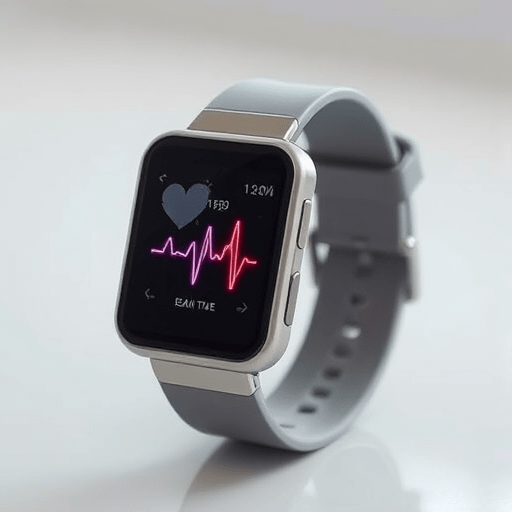
As remote cardiac monitoring becomes a mainstream tool for managing heart health, the need for strict HIPAA compliance in consumer cardiac wearables has never been higher. This checklist guides product developers, clinicians, and data managers through the essential steps—data encryption, consent handling, and robust audit trails—to ensure that personal health information (PHI) remains secure and compliant in 2026.
1. Understand the Scope of HIPAA for Wearables
HIPAA’s Privacy, Security, and Breach Notification Rules apply to any entity that handles PHI. For consumer wearables, the scope typically includes:
- Device firmware that collects biometric data
- Cloud services that store, process, or transmit the data
- Mobile apps that interface with the device and provide patient or provider access
- Third‑party analytics platforms that may receive anonymized data
Begin by mapping every data flow and identifying which components are covered health plans, covered entities, or business associates.
2. Data Security – Protecting PHI in Transit and at Rest
2.1 End-to-End Encryption
Implement TLS 1.3 or higher for all data transmitted between the wearable, the mobile app, and backend servers. Use device-level encryption for stored data on the wearable itself, ensuring that a lost or stolen device cannot expose raw PHI.
2.2 Secure Storage Practices
Adopt the HIPAA Security Rule’s “Technical Safeguards”:
- Use AES-256 encryption for all PHI stored in the cloud.
- Employ key management solutions with Hardware Security Modules (HSMs) for key generation, rotation, and destruction.
- Separate PHI storage from non‑PHI data; consider dedicated databases with strict access controls.
2.3 Regular Vulnerability Assessments
Schedule quarterly penetration tests focusing on firmware, APIs, and cloud infrastructure. Address findings within a defined remediation window—ideally 30 days—to keep security posture aligned with the latest threat landscape.
3. Consent Management – Transparent Patient Control
3.1 Granular Consent Options
Patients should be able to opt‑in or opt‑out of specific data uses, such as:
- Real‑time transmission to cardiologists
- Long‑term storage for research purposes
- Sharing with family members or caregivers
Design the user interface to present these choices clearly, using plain language and visual indicators of active permissions.
3.2 Documenting Consent
Maintain immutable records of when, how, and what patients consented to. Use signed digital signatures where applicable, and store the consent records alongside the PHI in a tamper‑evident format.
3.3 Revocation Procedures
Provide a simple mechanism for patients to revoke consent. Upon revocation, immediately cease data collection or transmission, delete or anonymize existing PHI, and update audit logs to reflect the action.
4. Audit Trails – Tracking Access and Changes
4.1 Comprehensive Logging
Log every access to PHI, including:
- Who accessed the data (user ID, role)
- When the access occurred (timestamp)
- What data was accessed (granular identifiers)
- The purpose of access (clinical care, billing, etc.)
Ensure logs are write‑only and stored for at least six years, as required by the HIPAA Security Rule.
4.2 Automated Anomaly Detection
Integrate machine learning models that flag unusual access patterns—such as multiple logins from disparate geographic locations—prompting immediate investigation and potential lockout of compromised accounts.
4.3 Regular Audits
Conduct biannual internal audits, complemented by annual external third‑party audits. Use the findings to refine policies, update access controls, and strengthen training programs.
5. Incident Response – Swift Breach Handling
5.1 Pre‑Defined Breach Protocol
Draft an incident response plan that defines:
- Roles and responsibilities of the response team
- Thresholds for breach notification to affected patients and regulators
- Communication templates for stakeholders
5.2 Testing the Plan
Run tabletop exercises annually to test the effectiveness of the breach response. Adjust the plan based on lessons learned to reduce time-to-closure in real incidents.
6. Training and Governance – Keeping Human Factors in Check
6.1 Role‑Based Training Modules
Develop training that is specific to user roles—developers, clinicians, support staff—focusing on HIPAA obligations, data handling best practices, and privacy principles.
6.2 Policy Governance Board
Establish a cross‑functional board to review changes in regulations, technology updates, and risk assessments. Ensure that policy updates are communicated promptly to all stakeholders.
7. Third‑Party Risk Management – Vetting Vendors and Integrations
7.1 Business Associate Agreements (BAAs)
Require BAAs with every third party that handles PHI, whether for cloud hosting, analytics, or firmware updates. Verify that these agreements specify data security requirements and breach notification procedures.
7.2 Vendor Security Assessments
Implement a vendor security questionnaire that covers encryption standards, incident response capabilities, and compliance history. Conduct on‑site audits for critical vendors.
8. Documentation – The Backbone of Compliance
Maintain a living compliance register that tracks:
- Risk assessments and mitigation actions
- Security controls and their testing schedules
- Training completion records
- Incident response outcomes
Use a secure, versioned repository to manage all documentation, ensuring accessibility for audits and regulatory reviews.
9. Continuous Improvement – Adapting to the Evolving Landscape
HIPAA compliance is not a one‑time checkmark but an ongoing process. Adopt a DevSecOps approach, integrating security testing into every release cycle. Leverage threat intelligence feeds to stay ahead of emerging risks to wearable data.
10. Final Checklist Snapshot
At a glance, confirm that your consumer cardiac wearable stack satisfies:
- End‑to‑end encryption (TLS 1.3, AES‑256)
- Robust key management (HSMs)
- Granular, documented patient consent
- Immutable audit logs (≥6 years)
- Automated anomaly detection
- Comprehensive incident response plan
- Role‑based training and governance board
- Verified BAAs and vendor assessments
- Up‑to‑date compliance documentation
By systematically addressing each of these areas, product teams can confidently offer remote cardiac monitoring services that respect patient privacy, meet HIPAA requirements, and remain resilient in the face of evolving threats.
HIPAA compliance for consumer cardiac wearables is a dynamic journey that demands technical rigor, patient‑centric consent processes, and vigilant governance. With the checklist above as a roadmap, stakeholders can ensure that the benefits of continuous cardiac monitoring are delivered safely and responsibly in 2026 and beyond.