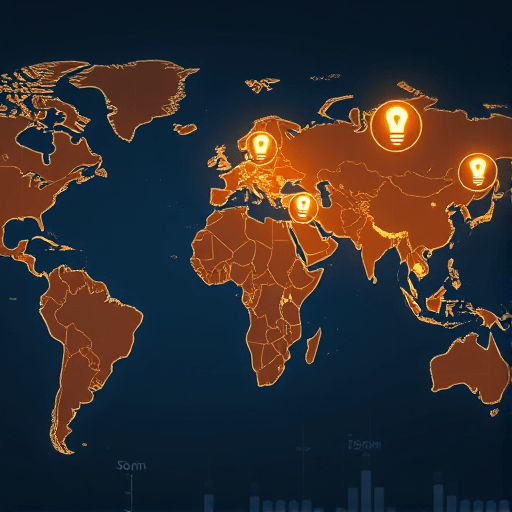
The Hidden Power of Digital Nomad Cities in Global Startup Ecosystems
In today’s hyper‑connected world, the rise of digital nomad cities has become a catalyst for startup growth. These low‑cost, high‑connectivity hubs attract entrepreneurs, remote workers, and investors alike, creating vibrant ecosystems that drive cross‑border innovation. By offering affordable living, reliable infrastructure, and a melting pot of cultures, digital nomad cities are redefining where and how startups thrive.
What Makes Digital Nomad Cities a Startup Goldmine
Cost Efficiency and Affordable Living
Unlike traditional tech hubs, digital nomad cities keep overhead low. Rent, utilities, and everyday expenses are often a fraction of Silicon Valley prices, allowing founders to allocate more capital toward product development, marketing, and talent acquisition. Lower living costs also attract top talent seeking a balanced lifestyle without compromising their entrepreneurial ambitions.
Connectivity and Infrastructure
High‑speed broadband, 5G rollout, and robust public transport systems are the backbone of these cities. Seamless connectivity ensures that remote teams can collaborate in real time, access cloud services, and engage with customers worldwide. Many digital nomad cities invest in co‑working spaces equipped with state‑of‑the‑art tech, fostering an environment where ideas can be tested and scaled quickly.
Cultural Diversity and Creative Synergy
These cities host a mosaic of nationalities, languages, and perspectives. Such diversity sparks fresh viewpoints, encourages cross‑industry collaborations, and nurtures innovation. Entrepreneurs benefit from exposure to varied market insights, while investors gain access to a broader talent pool, creating a virtuous cycle of creativity and opportunity.
Key Cities That Are Shaping the Global Startup Landscape
Lisbon, Portugal – The Portuguese Startup Magnet
Lisbon offers a blend of Mediterranean charm and tech dynamism. With a thriving fintech sector, a welcoming startup visa program, and a growing community of developers, it attracts founders looking for a supportive ecosystem. The city’s low cost of living and rich cultural heritage provide a fertile ground for incubation and scaling.
Tallinn, Estonia – The Digital Sovereign State
Estonia’s e‑Residency program is a game‑changer, allowing entrepreneurs worldwide to register a company online. Tallinn’s robust digital infrastructure, transparent bureaucracy, and focus on cybersecurity make it a natural hub for blockchain, AI, and SaaS startups. The city’s commitment to innovation keeps it at the forefront of digital transformation.
Chiang Mai, Thailand – The Remote Work Paradise
Known for its relaxed lifestyle and affordable accommodation, Chiang Mai is a magnet for digital nomads. The city offers numerous co‑working spaces, high‑speed internet, and a welcoming community of expatriate entrepreneurs. Its proximity to Southeast Asia’s burgeoning markets provides unique regional insights for startups targeting the region.
Medellín, Colombia – The Innovation Oasis
Once notorious for its turbulent past, Medellín has reinvented itself as a tech hotspot. With extensive public Wi‑Fi, a thriving startup community, and a favorable climate, the city supports a wide range of industries—from agritech to edtech. Its government’s investment in digital infrastructure fuels entrepreneurial ambition.
How Low‑Cost Hubs Accelerate Cross‑Border Collaboration
Virtual Co‑Working Spaces and Remote Teams
Digital nomad cities often host virtual co‑working platforms that transcend geographical boundaries. These platforms enable distributed teams to share resources, hold synchronous meetings, and maintain a unified company culture—all while operating from different time zones.
Shared Funding and Angel Networks
Low‑cost environments encourage a democratized funding ecosystem. Angel investors, seed funds, and government grants are more accessible, allowing founders to secure early capital without relocating to traditional hubs. Crowdfunding and peer‑to‑peer lending are also gaining traction in these cities.
Open‑Source Communities and Hackathons
Open‑source initiatives thrive in cities where collaboration is valued. Hackathons, meetups, and community labs provide founders with rapid prototyping opportunities, skill development, and network building—all at minimal expense.
Challenges and Mitigation Strategies
Visa and Legal Complexities
While many digital nomad cities offer friendly visa regimes, navigating local regulations can still be daunting. Startups often partner with legal advisors or use local incubators that provide compliance support to streamline processes.
Time‑Zone Coordination
Operating across multiple time zones can strain team communication. Leveraging asynchronous tools such as shared boards, recorded video updates, and clear documentation helps maintain productivity.
Infrastructure Glitches
Even well‑connected cities may experience occasional internet outages or power cuts. Building redundancy into IT infrastructure—using backup power supplies, cloud failovers, and mobile hotspots—ensures continuity.
Future Outlook: Trends to Watch
Digital Nomad Visas as a New Class of Work Permits
Governments worldwide are expanding visa categories that allow entrepreneurs to work remotely while residing in the country. These policies attract more founders, fueling local ecosystems and cross‑border collaborations.
AI‑Enabled Collaboration Platforms
Artificial intelligence will streamline project management, automate repetitive tasks, and provide real‑time analytics, enabling remote teams to operate as if they were co‑located.
Sustainable Growth and Green Tech Hubs
With climate change concerns rising, digital nomad cities are increasingly investing in green tech startups. Sustainable infrastructure, renewable energy, and eco‑friendly business models will become pivotal to the next wave of innovation.
In summary, digital nomad cities offer a unique blend of affordability, connectivity, and cultural richness that fuels global startup ecosystems. By leveraging these hubs, entrepreneurs can tap into diverse talent, secure early funding, and collaborate across borders—paving the way for the next generation of disruptive innovations.
Discover your next startup hub today.