The Rise of Virtual Emergency Training
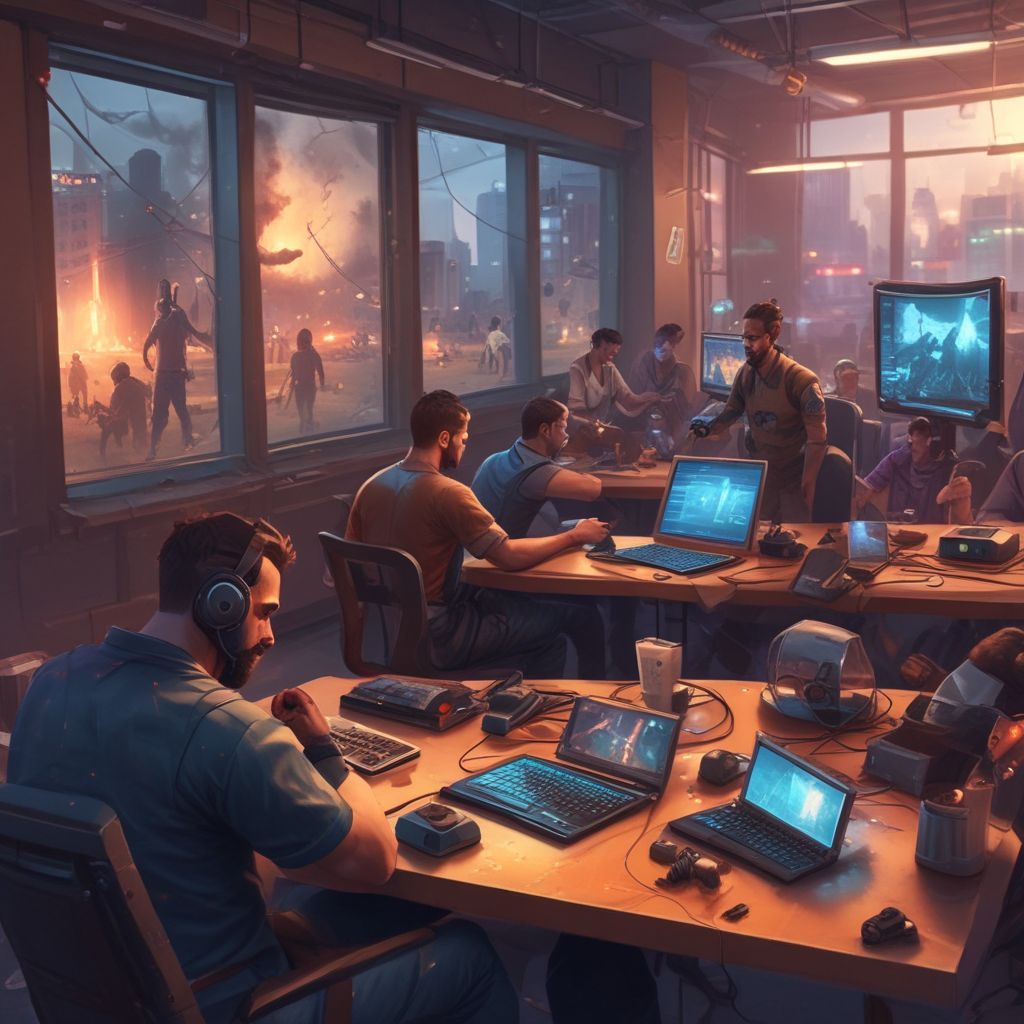
In recent years, online gaming communities have evolved beyond entertainment, becoming unexpected hubs for disaster preparedness. Players collaborate in virtual worlds to simulate real-world crises, developing skills that can save lives outside the screen. These digital first responders are reshaping how we think about emergency training.
Virtual Worlds as Training Grounds
Multiplayer games offer unique environments for crisis simulation. Complex worlds with physics engines, communication tools, and large player bases create ideal laboratories for disaster scenarios. Players navigate:
- Earthquake simulations in open-world maps
- Flood evacuation drills in strategic games
- Pandemic response exercises in role-playing environments
These activities mirror real emergency protocols while allowing safe experimentation with coordination and resource management.
Building Crisis Collaboration Skills
Gaming communities naturally develop critical emergency response abilities through everyday gameplay. Key skills include:
- Rapid situation assessment during unexpected events
- Real-time strategy adaptation under pressure
- Clear communication across distributed teams
- Resource allocation in high-stakes scenarios
When players face in-game disasters like server-wide outages or character-threatening events, they instinctively apply these competencies. This muscle memory proves valuable during actual emergencies.
From Pixels to Real-World Application
Virtual disaster drills create tangible benefits for real-world preparedness. Gaming groups have translated their experiences into:
- Community emergency response team (CERT) training programs
- School safety initiative workshops
- Public awareness campaigns about disaster protocols
For example, players who coordinated rescue operations in massive multiplayer environments often contribute to local first responder networks, sharing strategies refined through virtual scenarios.
Case Studies in Digital First Response
Minecraft Rescue Simulations
Minecraft servers regularly host complex disaster simulations. Players build detailed cityscapes, then stage earthquakes or fires to practice:
- Search and rescue operations using block-based tools
- Medical triage systems in limited-space hospitals
- Evacuation route planning with dynamic obstacles
These exercises teach spatial reasoning and logistical planning under constraints, directly applicable to real disaster zones.
Fortnite Emergency Drills
In battle royale games like Fortnite, players adapt combat strategies to emergency scenarios. Community-led events simulate:
- Mass casualty incidents requiring priority triage
- Communication breakdowns during critical moments
- Resource scarcity management under time pressure
These drills emphasize decision-making speed and team coordination, skills valuable in actual crisis situations.
Challenges in Virtual Training
While effective, digital disaster preparation faces limitations. Virtual environments cannot fully replicate:
- Physical sensations like smoke inhalation or structural collapse
- Emotional stress of real-life emergencies
- Resource limitations of actual disaster zones
However, gaming communities address these gaps through hybrid approaches, combining virtual drills with real-world training sessions and expert consultations.
The Future of Digital First Response
As technology advances, gaming-based disaster training will likely expand. Emerging trends include:
- VR environments with immersive sensory feedback
- AI-driven scenario customization for specific regions
- Partnerships between game developers and emergency agencies
These innovations could transform gaming platforms into certified training tools, bridging the gap between virtual practice and real-world application.
Conclusion
Gaming communities are proving that virtual worlds offer more than entertainment—they provide valuable spaces for developing crisis response skills. By simulating disasters in digital environments, players build coordination, strategic thinking, and rapid decision-making abilities that translate directly to real emergencies. As these digital first responders continue to innovate, their contributions may become an essential layer in global disaster preparedness strategies.