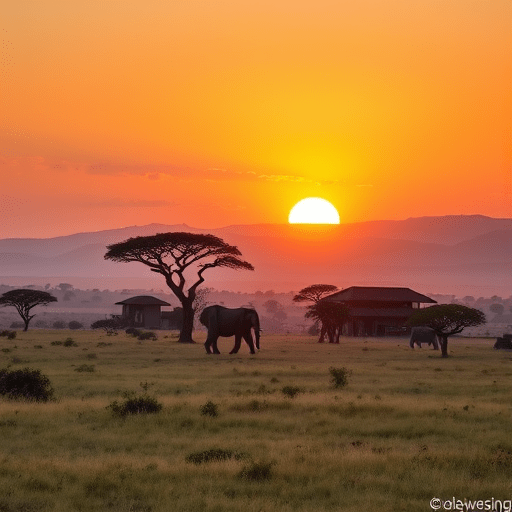
For the adventurous traveler of 2026, a safari is no longer just a luxury adventure—it’s a chance to witness untamed ecosystems and contribute to their preservation. Finding Ethical Safari Lodges: A Quick Guide to Protecting Wildlife explains how you can choose tours that respect animal rights, support conservation, and empower local communities. By understanding key principles, certifications, and practical questions, you’ll be able to select accommodations that align with both your values and the planet’s needs.
Why Ethical Safari Lodges Matter
Modern safaris face pressures from over-tourism, wildlife exploitation, and environmental degradation. Ethical lodges adopt practices that:
- Minimize human impact on fragile habitats
- Ensure animal welfare by avoiding sensational displays
- Invest profits back into conservation projects
- Respect and uplift the voices of indigenous and local peoples
Choosing responsibly means you help maintain biodiversity, protect endangered species, and preserve the cultural heritage of the regions you visit.
Key Principles of Responsible Safari Tourism
Before you book, look for lodges that follow these foundational principles:
- Low-Impact Infrastructure – Structures built with sustainable materials, minimal land alteration, and energy-efficient systems.
- Wildlife-First Policies – No captive or staged animals, no baiting or feeding practices that alter natural behavior.
- Community Collaboration – Employment opportunities, fair wages, and community development projects.
- Transparency and Accountability – Clear reporting on conservation efforts, visitor numbers, and environmental footprints.
Recognizing Genuine Conservation Practices
Many marketing materials can sound compelling, but the real proof lies in the day-to-day operations:
In-Depth Observation over Entertainment
Ethical lodges focus on observational experiences—night safaris with low-light cameras, guided nature walks, and research-led talks—rather than feeding or herding animals for spectacle.
Habitat Restoration Initiatives
Look for projects like reforestation of degraded zones, predator monitoring programs, or anti-poaching patrols funded directly by lodge revenues.
Animal Health and Welfare
Check whether the lodge employs wildlife veterinarians, provides veterinary care for rescued animals, or participates in breeding programs for species in need.
Checking Certifications and Standards
Certifications give travelers a quick reference point for ethical practices. Here’s what to look for:
- Global Sustainable Tourism Council (GSTC) – International standard for sustainable tourism that covers environmental, economic, and socio-cultural impacts.
- World Wildlife Fund (WWF) Conservation Certified – Indicates a lodge’s commitment to protecting biodiversity and supporting conservation projects.
- Ethically Aligned Tourism (EAT) Charter – Focuses on animal welfare, local empowerment, and environmental stewardship.
- ISO 14001 Environmental Management System – Demonstrates rigorous environmental monitoring and continuous improvement.
Don’t rely solely on logos; read the lodge’s sustainability reports or press releases for specific metrics.
Questions to Ask Before Booking
When contacting a lodge, ask targeted questions that reveal depth of commitment:
- What is your policy on wildlife feeding or baiting?
- How many visitors are allowed per day in the most sensitive areas?
- Can you provide examples of recent conservation projects funded by guest stays?
- What training does your staff receive in animal welfare and ecological ethics?
- How do you engage and compensate local communities?
- Do you publish annual sustainability reports or third-party audit results?
Clear, candid answers indicate a lodge that values transparency.
Supporting Local Communities
Responsible tourism extends beyond wildlife; it encompasses people. Ethical lodges partner with local artisans, offer fair trade products, and provide education for schools. Consider these points:
- Employment: Do they prioritize hiring local staff and provide fair wages?
- Education: Are there community outreach programs, such as environmental workshops or health clinics?
- Ownership: Does the lodge support community-owned enterprises or co-operatives?
Beyond the Lodge: Activities That Respect Wildlife
Even the most well-intentioned lodge can’t control every activity. Use these guidelines to choose safari experiences that truly honor nature:
Guided Observation Tours
Choose tours led by trained wildlife guides who emphasize minimal disturbance and scientific storytelling.
Night Safaris with Low-Light Cameras
These allow you to witness nocturnal species without artificial lighting that can disrupt circadian rhythms.
Volunteer Conservation Projects
Many lodges offer short-term volunteer opportunities—tree planting, anti-poaching patrols, or wildlife monitoring—providing hands-on contribution.
Planning Your Ethical Safari Experience
Integrate the following steps into your itinerary planning:
- Research multiple lodges and compare their sustainability credentials.
- Contact each lodge directly and document their responses.
- Verify certifications with the issuing bodies.
- Check online reviews for consistent mentions of ethical practices.
- Use a checklist to ensure each lodge meets your minimum standards.
By following this systematic approach, you can confidently choose a lodge that aligns with your values and supports genuine conservation.
Resources and Further Reading
Expand your knowledge with these authoritative sources:
- Tourism Earth: Ethical Travel Guides
- Global Sustainable Tourism Council Standards
- WWF Conservation Programs
- Ethically Aligned Tourism (EAT) Charter
Staying informed ensures that your travel choices continue to make a positive impact.
Choosing the right safari lodge in 2026 means more than a memorable wildlife encounter—it’s an opportunity to champion animal rights, support conservation, and empower local communities. By applying the guidelines in this guide, you’ll help preserve the natural world for future generations while enjoying the adventure of a lifetime.