Digital Twins in Telemedicine: Simulating Patient Responses for Personalized Remote Care Plans
Digital Twins in Telemedicine are revolutionizing remote care by creating virtual replicas of patients that simulate real-time physiological responses. By integrating wearable data, electronic health records, and advanced modeling algorithms, clinicians can test treatment strategies, anticipate complications, and tailor interventions before they affect the actual patient. This forward‑looking approach not only improves patient outcomes but also reduces costs and enhances the overall efficiency of healthcare delivery.
What Is a Digital Twin?
A digital twin is a dynamic, data‑driven model that mirrors the biological, physiological, and behavioral characteristics of an individual. Think of it as a sophisticated simulation engine that can run thousands of scenarios in minutes, providing insights that would otherwise require lengthy clinical trials or invasive testing.
Key Components
- Real‑time Data Collection: Wearable sensors, home monitoring devices, and patient‑reported outcomes feed continuous streams of information into the model.
- Clinical Knowledge Base: Algorithms trained on large datasets capture disease progression patterns, drug interactions, and demographic variations.
- Predictive Analytics: Machine learning models forecast short‑term and long‑term responses to interventions.
- User Interface: Clinicians interact with the twin through dashboards, visualizations, and what‑if scenario tools.
How Digital Twins Enhance Telemedicine
Telemedicine, the delivery of healthcare services remotely, relies heavily on data interpretation and timely decision‑making. Digital twins add a layer of predictive intelligence that can transform these aspects in several ways.
1. Personalized Treatment Planning
Instead of applying a generic protocol, clinicians can run a virtual experiment to see how a patient’s heart rate, blood glucose, or medication levels would react to various interventions. The twin can suggest an optimal dosage or identify a drug that minimizes side effects.
2. Early Warning Systems
By monitoring the twin’s simulated trajectory, alerts can be triggered before a patient’s vitals deteriorate. This preemptive approach is especially vital for chronic conditions like heart failure or diabetes.
3. Resource Optimization
Healthcare providers can prioritize patients who need immediate attention versus those whose twins indicate stable trajectories. This stratification leads to better allocation of remote monitoring devices and clinician time.
Building a Digital Twin: From Data to Simulation
Creating an accurate digital twin requires a multi‑disciplinary workflow involving data scientists, clinicians, and software engineers. Below is a step‑by‑step outline.
Step 1: Data Acquisition and Integration
- Collect longitudinal data from wearable devices (e.g., continuous glucose monitors, smartwatches).
- Merge electronic health record (EHR) data, including lab results, imaging, and medication history.
- Use interoperability standards like HL7 FHIR to ensure seamless data flow.
Step 2: Model Development
Choose between physiologically based pharmacokinetic/pharmacodynamic (PBPK/PD) models for drug response or machine‑learning models for pattern recognition. Hybrid models that combine both often yield the best performance.
Step 3: Calibration and Validation
Use a subset of patient data to calibrate model parameters. Validate predictions against out‑of‑sample data to ensure reliability.
Step 4: Deployment and Continuous Learning
Deploy the twin in a cloud environment where it can receive real‑time updates. Implement reinforcement learning to refine predictions as more data become available.
Clinical Use Cases
Digital twins are already making waves in several therapeutic areas. Here are three illustrative scenarios.
1. Cardiovascular Disease Management
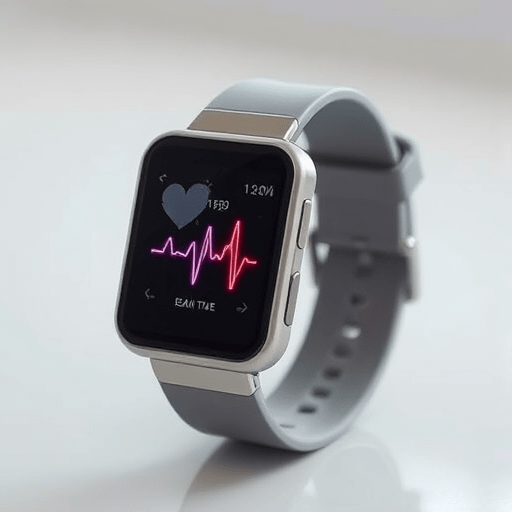
A patient with atrial fibrillation wears a smartwatch that tracks heart rhythm. The digital twin simulates the impact of different anticoagulants, balancing stroke risk against bleeding potential. The clinician selects the drug that the twin predicts will maintain sinus rhythm with minimal adverse events.
2. Oncology Treatment Personalization
Oncologists use a digital twin to model tumor growth under various chemotherapy regimens. By simulating the patient’s metabolic response, they can choose a schedule that maximizes tumor suppression while preserving organ function.
3. Diabetes Care Optimization
For a type 2 diabetic patient, the twin forecasts glycemic excursions in response to dietary changes and insulin adjustments. The virtual model guides the patient’s telehealth visits, reducing the need for frequent in‑person check‑ups.
Ethical and Regulatory Considerations
As with any emerging technology, digital twins bring ethical and compliance challenges.
Privacy and Security
Patient data must be encrypted both in transit and at rest. Implement strict access controls and anonymize data used for model training.
Bias and Fairness
Algorithms trained on historically biased data can perpetuate disparities. Continuous audit and inclusion of diverse patient populations are essential.
Regulatory Approval
In the U.S., the FDA is developing guidelines for software as a medical device (SaMD). Healthcare organizations should seek clearance or at least engage in early dialogue with regulators.
Future Directions
While the current applications are impressive, the future of digital twins in telemedicine holds even more promise.
Integration with Artificial Intelligence
Combining deep learning with physics‑based models can produce more nuanced predictions, especially for complex conditions like neurodegenerative diseases.
Patient Empowerment
Providing patients with access to their digital twin dashboards can foster shared decision‑making and improve adherence.
Cross‑Platform Interoperability
Standardized APIs will allow twins built on one platform to communicate with various telehealth services, creating an ecosystem of interconnected care tools.
Implementing Digital Twins: A Roadmap for Healthcare Providers
Adopting digital twins requires careful planning. Here is a concise roadmap.
1. Define Clinical Objectives
Identify which conditions or patient populations will benefit most from simulation.
2. Assemble a Multidisciplinary Team
Bring together clinicians, data scientists, IT specialists, and legal advisors.
3. Pilot with a Small Cohort
Start with a manageable group of patients to test workflow integration and model accuracy.
4. Evaluate Outcomes and ROI
Track metrics such as readmission rates, medication adherence, and cost savings.
5. Scale Gradually
Expand to additional patient groups and care settings once success is demonstrated.
Conclusion
Digital Twins in Telemedicine represent a paradigm shift from reactive to proactive care. By simulating patient responses in a virtual environment, clinicians can craft highly personalized treatment plans, anticipate complications, and allocate resources more efficiently. As technology matures and regulatory frameworks evolve, digital twins are poised to become a cornerstone of remote healthcare delivery.
Start exploring digital twin technology for better patient outcomes today.